
You know you should eat more whole foods and less of the processed stuff. You understand that sugar, salt, trans fats and other unhealthy additives find their way into many of the foods you eat. And you know that the first step towards a healthy body is a healthy diet.
Maybe your doctor, nutrition coach or health-obsessed friend recommended eating more whole foods. Perhaps you have a pretty good idea of what they are talking about, but not a solid definition. Let's clear that up right now.
WebMD is a respected health and wellness site. They deliver valuable health knowledge, as well as support for those seeking to live a healthier life. They define whole foods as ...
"Foods that are as close to their natural form as possible."
They have dedicated a section of their website to covering everything you need to know about a Whole Foods Diet. In her book "Unhooked: A Holistic Approach to Ending Your Struggle with Food", Registered Holistic Nutritionist (RHN) Laura Dawn defines whole foods as ...
"Food that has been processed or refined as little as possible and is free from additives or other artificial substances."
In other words, whole foods receive little or no processing or interference from man before you eat them.
Common Whole Foods List
What are some typical whole foods (sometimes referred to as 'real food' or 'clean food')? These are foods straight from nature, right off the bush or out of the ground. There are far too many to list but here's a few just to get you started . . .
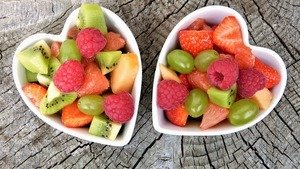
Fruits
- Apples
- Bananas
- Cantaloupe
- Grapes
- Oranges
- Peaches
- Strawberries
- Raspberries
- Cherries
- Blueberries
- Kiwi
- Pears
- Pineapple
- Watermelon
Vegetables

- Asparagus
- Broccoli
- Carrots
- Cauliflower
- Celery
- Cucumber
- Green Beans
- Onions
- Peppers
- Sauerkraut
- Spinach
- Squash
- Tomatoes
- Zucchini / courgette
- Kale
- Mushrooms
- Cabbage
- Sprouts
- Beetroot
- Parsnips
- Peas
- Marrow
- Radish
- Artichoke
- Watercress
- Too
- Many
- To mention . . .
Meats and Seafood

- Beef
- Lamb
- Pork
- Venison
- Ham
- Turkey
- Chicken
- Salmon
- Tuna
- Mackerel
- Haddock
- Lobster
- Clams
- Shrimp
This is by no means a complete list. However, you can see some common traits when you look at the foods above. Eaten without processing and additives, these whole foods deliver vitamins, minerals, fibre, healthy enzymes, phytonutrients and all the other elements needed to build a strong, healthy body.
A Typical Day Eating Whole Foods
Some may look at a whole foods list and think, "How can I eat nothing but these healthy foods every meal?" Unfortunately, processed food is a big part of breakfast, lunch, dinner and snacks for many people these days. You may have become used to eating processed foods during most meals, so the idea of eating nothing but whole foods is daunting.
Let's take a look at a sample day in a whole food diet plan to show you just how easy eating healthy can be.
Breakfast
No store-bought bagels or boxed cereal products here. How about a delicious omelette with broccoli and bell peppers, covered with grated Parmesan cheese? That is an entirely acceptable whole foods breakfast. The fact that you are getting plenty of protein from your eggs also means you will feel full longer, and generally eat less throughout the day.
Lunch
Some whole food aficionados will fix a huge salad at the beginning of the week. They then package lunchtime portions so their midday meals are quick and easy. Your lunch and dinner on a whole foods plan should include protein, some type of healthy fat and some vegetables. Salmon with grilled squash and cucumbers drizzled with a little coconut oil or cold pressed extra virgin olive oil makes a nutritious lunch that won't lead to a traditional sugar crash later on.
Dinner
How does grilled pork chops with potatoes and asparagus sound? Why not treat yourself to a steak with onions and mushrooms sautéed in coconut oil, accompanied by Brussels sprouts and a salad with your favourite fruits and vegetables?
The number of dinners you can learn to make which stick to a whole food diet are close to limitless. Mixing and matching meat, seafood, vegetables and fruits delivers plenty of versatile and great tasting possibilities.
Snacks and Desserts
A handful of nuts or dried fruits makes for a healthy snack that fills you up quickly. Hard-boiled eggs or vegetables with guacamole are some other healthy snacks that a whole foods dietary approach recommends. Fresh coconut or a fruit salad makes a healthy dessert. Adding honey to any whole foods can satisfy your sweet tooth without adding a ton of processed sugar.
Whole Foods Shopping Tips
You may not be familiar with shopping for whole foods on a regular basis. Just remember the following tips, and your whole foods shopping experience, as well as your health, will benefit.
Don't go shopping on an empty stomach.
Stick to the perimeter of your grocery store.
Find the store with the best prices on meats and seafood. These are usually your most expensive whole foods. Then purchase whatever fruits and vegetables are on sale at that store.
Buy in bulk at a discount store like CostCo.
Shop at farmers' markets. The fruits and vegetables offered here are as close to the ground as possible, and you can usually find better prices than at your big box grocery store.
Go grass fed for beef, and wild caught for fish. You might spend more money this way, but the food is much healthier.
Whether you call it whole foods, clean eating or simply cutting out most of the crap, it's important to remember not to be too obsessive.
Clean eating gets a bad rap these days because too many people get tied up in the dogma. Eating better is not an all or nothing proposition.
Trying to shift your eating habits away from most of the addictive, sugar laden, processed stuff to a more whole food diet as nature intended you to eat, does not make you obsessive and neither does it have to be unsustainable or bland.
Follow these tips to improve your overall eating habits but allow yourself sweets and treats occasionally without guilt or worry. Your body will cope with them just fine if the majority of your diet is natural, whole and healthy.

Disclaimer: I may be compensated as an affiliate for any products bought through links on this page. This will not cost you any more but it will help me offset my website costs. Thank you.

