Blog

  • Spinach and Feta Frittatas

    Spinach and Feta Frittatas

    Spinach and Feta Frittatas

    What you need:

    • 1 small onion, chopped

    • 2 cloves garlic, finely chopped

    • 7 oz. (200g) baby spinach, chopped

    • 4 eggs

    • 5 egg whites

    • 1/3 cup (80ml) plant milk

    • 1 tsp. baking powder

    • 2 oz. (55g) light feta, crumbled

    • 2 tbsp. fresh herbs of choice, chopped (such as basil, parsley, chives, rosemary)

    • 1 tsp. coconut oil


    What you need to do:

    To make Spinach and Feta Frittatas preheat the oven to 375F (190C) and grease a muffin tin with ½ tsp. coconut oil.

    Heat a non-stick pan with ½ tsp of coconut oil over medium heat. Cook the onions and garlic until soft. Add the spinach and 1 tbsp. water and cook until wilted. Once cooked, set aside.

    Whisk together eggs, egg whites, milk, baking powder, and season with salt and pepper. Stir in the spinach mixture and add the crumbled feta cheese.

    Divide the egg mixture evenly between 12 muffin cups. Bake until golden brown and firm to the touch, about 25 minutes.


    Serves: 3

    Prep: 10 mins.

    Cook: 25 mins

    Approx nutrition per serve:

    Cals: 203

    Protein: 20g

    Carbs: 6g

    Fats: 11g

  • Leek and Pea Soup with Basil

    Leek and Pea Soup with Basil

    Leek and Pea Soup with Basil

    What you need:

    • 2 tsp. coconut oil

    • 14 oz. (400g) leek, chopped

    • 2 cups (1L) water

    • 2 vegetable stock cubes

    • 16 oz. (450g) garden peas

    • 0.5 oz. (15g) fresh basil, chopped

    • 3.5 oz. (150g) light feta, crumbled

    What you need to do:

    For this delicious leek and pea soup with basil recipe, heat the oil in a large saucepan and cook the leek for 2 minutes. Add the water and the stock cubes. Bring to the boil and cook for a further 5 minutes.

    Add in the garden peas and cook for another 2 minutes. Put three-quarters of the basil into the soup, turn off the heat and puree with a hand blender until smooth.

    Divide the soup over 4 bowls and sprinkle with the crumbled cheese and the rest of the basil to serve. Season with freshly ground pepper.

    Serves: 4

    Prep: 5 mins.

    Cook: 15 mins

    Approx nutrition per serve:

    Cals: 212

    Protein: 11g

    Carbs: 30g

    Fats: 5g

  • Why You Should Always Eat Breakfast for More Energy Throughout the Day

    Why You Should Always Eat Breakfast for More Energy Throughout the Day

    Hands up those of you who skip breakfast from time to time?

    If you raised your hand then you certainly wouldn’t be in the minority.

    Many people don’t eat breakfast, or they simply glug down a coffee and call that their breakfast. Put simply, most of us don’t eat breakfast in the correct way, and then suffer from an energy slump later in the day, which leads to unhealthy snacking and glucose spikes.

    It’s all a bit of a vicious circle in many ways, but the answer is easy – eat a balanced, healthy breakfast every single morning and you will have more energy to last you until the end of the day.


    Why is breakfast important?

    When you have been sleeping for around 8 hours your body is running on empty when you wake up.

    Yes, you haven’t used as much energy as you would have done if you were awake, but your body is busy repairing itself and resting after a busy day, so a certain amount of energy is still used. When you wake up, your body is ready for a boost of energy, and that means fuel, i.e. food.

    Experts say that breakfast should be consumed no more than two hours after you wake up in the morning, and that what you eat is just as important as the fact you are actually eating.

    Your breakfast should make up a huge 20-35% of your daily allowance of calories, which means you should certainly be eating like a king or queen in the morning. If you needed a reminder, men should have, on average, around 2500 calories per day, and women should have 2000 calories per day.

    Those who eat a healthy breakfast, which is balanced and full of the right kind of foods (which we will discuss shortly), are much less likely to give into temptation later in the day, which leads to snacking on sugary and fattening foods, such as crisps and chocolate, or making unhealthy choices when it comes to lunch and dinner.

    Giving into this temptation leads to spikes in your glucose levels, which is a diabetes danger, as well as being a quick road towards weight gain. Breakfast basically helps you feel fuller for longer.

    Breakfast also has several other important jobs to do, including topping up glucose levels, which is important for healthy brain function; not only does eating breakfast give you the energy for your body to function, but it also helps your brain function in the best possible way too.


    How best to eat breakfast for more energy

    It’s no good grabbing the nearest cereal bar and considering it to be healthy, because these are often sugar-laden, which is never a good thing; instead, you need to be considering what you eat at breakfast, in order to keep your stomach fuller for longer, your energy levels high, and your brain functioning at the right level.

    Breakfast needs to be a balance between carbs and protein essentially, with fruit and vegetables thrown in to top up your five a day. Carbs should also be complex, which means they gradually release glucose (or energy) into the blood stream, which keeps you feeling fuller and energised for longer.

    Wholegrains are a good source of complex carbs, such as brown or wholemeal bread. On top of this, oats, beans and other pulses, seeds, and nuts are fantastic for this.

    These types of food can also be described as low GI, which is another fancy way of saying that they release energy slowly, rather than in one bulk effort.

    If you throw in protein too, this means your body will receive all the energy it needs to kick start your day, as well as the nutrients needed for building and maintaining muscle. The higher thermic effect of protein means you can eat more while working your metabolism harder, helping you burn more calories at the start of the day.

    All of this basically serves brain and body, giving you the important energy you need to get through the day without feeling tired, irritable, or as though you need to head back to bed for a quick power nap.

    So, the next time you feel the need to skip breakfast, stop and consider these points, and then re-assess your decision!


  • 15 Easy Lunch Tips to Help You Lose Weight

    15 Easy Lunch Tips to Help You Lose Weight

    Your lunchtime habits can make or break your weight loss plans. Fast food burgers and fries often contain more calories than you need for the entire day, but there are many simple options that will satisfy your hunger without putting on extra pounds.

    Your midday meal can be delicious and nutritious without requiring a lot of money or time. Start with these ideas for using your lunch hour to help you slim down.


    Bringing Your Lunch:

    1. Prepare the night before.

    If you spend most mornings rushing around to get everyone ready for school and work, give yourself a head start. Look for recipes you can make before you go to bed, like putting your smoothie ingredients in a blender jar in the refrigerator so you can just hit a button in the morning.

    2. Start from scratch.

    Bringing frozen pizza to work is really just about the same as ordering take away. Switch to whole foods and home cooking.

    3. Focus on plants.

    Try to get at least half your calories from vegetables and fruits. Enjoy a variety of salads, sandwiches, soups, and other dishes.

    4. Master the microwave.

    Do you yearn for a hot meal? Pack an insulated lunch bag with thermos containers of homemade chilli or lasagna you can quickly heat up at noon.


    Going Out for Lunch:

    1. Seek support.

    Studies show that we tend to consume more calories at a restaurant if we’re with companions who indulge too. Invite your co-workers to make a pact to order lighter dishes.

    2. Check the menu.

    What if the choices are limited to cheesesteak and Buffalo wings? Go online before you visit a new restaurant to ensure they serve grilled fish or pasta with vegetables.

    3. Eat soup.

    Whether you prefer minestrone or clam chowder, you’ll find that most lunch spots offer some kind of soup. Soup helps you to slow down so you may feel full while eating less.

    4. Inspect your salad.

    Some salads turn out to be the most fattening item on the menu. Go easy on the bacon, cheese, croutons, and creamy dressings.

    5. Ask for substitutions.

    You might enjoy your favourite lunch dishes just as much with a bit less sugar, fat, and salt. Some restaurants have no substitution policies, but others will be happy to accommodate you.

    6. Bring back leftovers.

    Serving sizes are often massive. Push half your food to the side of the plate so you can take it home for dinner or lunch tomorrow.


    Other Easy Lunch Tips:

    1. Stay on schedule.

    Skipping breakfast or lunch to save calories will probably backfire. You usually wind up so hungry that you raid the vending machine or overeat at your next meal.

    2. Eat mindfully.

    Paying attention to your food encourages you to make healthier choices and enjoy your meals more. Leave your desk for lunch. Sit down somewhere you can relax and forget about the office for a while.

    3. Walk around.

    Prolonged sitting contributes to obesity and back pain. Use your lunch hour to stroll around the block or climb the stairs.

    4. Visit the gym.

    Check out the gyms near your office. Your employer might be able to negotiate a group discount if you and your co-workers want to work out during the day when they’re less busy.

    5. Take a class.

    Similarly, many fitness centres offer group classes at lunchtime designed to get employees back to work on time. An hour of cycling followed by a smoothie may give you more energy for the rest of the afternoon.

    Enjoying a light and scrumptious midday meal each day of the week should be a pleasure. And these healthy lunch habits will help you lose weight and shape up at the same time.


  • Bacon and Broccoli Pancakes

    Bacon and Broccoli Pancakes

    Bacon and Broccoli Pancakes

    What you need:

    • 1 egg

    • 1 cup (250ml) plant milk

    • 4.4 oz. (125g) buckwheat flour

    • 1 tsp. baking powder

    • pinch of salt

    • 7 oz. (200g) broccoli, head thinly chopped

    • 8 slices streaky bacon

    • 2 tbsp. apple syrup (optional)

    What you need to do:

    These bacon and broccoli pancakes make a great breakfast or a tasty snack at any time of the day. Here’s what you need to do:

    Beat the egg through the milk and add the buckwheat flour, baking powder, and salt. Mix until the batter is smooth. Add the broccoli and stir it through the batter.

    Heat a dry non-stick frying pan. Cut a slice of bacon in half and place on the frying pan. Bake for 1 min on medium heat. Turn the bacon and spoon the batter over it forming a round pancake shape.

    Fry the pancakes around 4 min until golden brown and done. Turn halfway.

    Repeat with the rest of the bacon and batter. Serve the pancakes with apple syrup.

    Serves: 4

    Prep: 5 mins.

    Cook: 15 mins

    Approx nutrition per serve:

    Cals: 231

    Protein: 11g

    Carbs: 25g

    Fats: 10g

  • 10 Great Reasons to Drink Coffee

    10 Great Reasons to Drink Coffee

    There are few things I enjoy more than spending a morning sitting in a cosy coffee shop with my favourite cappuccino watching the world go by.

    Taking in the sound of grinding coffee beans, the hiss of steam, the clink of mugs on saucers, the gentle buzz of a dozen conversations and the wonderful aroma of fresh coffee in the air.

    And that morning coffee might not be a bad thing, as coffee possesses a variety of benefits, giving you plenty of reasons to drink it. It’s cheap, widely available and tastes good. And if that’s not enough, after reading this, you will want to make coffee a part of your daily ritual too. And do so guilt-free.


    Coffee Can Reduce Pain

    If you work out often, coffee can do wonders to reduce pain afterwards. In fact, a study published in The Journal Of Pain (Maridakis et al, March 2007) found that up to a 48% reduction of pain could be expected. This is significant as it speeds up recovery and will allow you to train sooner once again.


    Coffee Can Help You To Burn Fat

    There is a reason that almost every single weight loss supplement on the market contains caffeine. And that’s because it has been shown to boost fat oxidation by as much as 29% (particularly in lean people). This is in conjunction with a general metabolic rise between 3-11%, which is significant when trying to lose weight. 

    There’s just one drawback. The effects may diminish over time as tolerance to caffeine occurs. If weight loss is your primary goal, you should restrict coffee intake to just before workouts for optimum effect.


    Drinking Coffee May Prevent Development Of Type 2 Diabetes

    Diabetes is a serious global health concern currently that affects more than 300 million people, and that number is only set to increase. Although the exact mechanism behind coffee’s actions on preventing diabetes is unclear, a review of several studies demonstrated that, on average, it reduced the risk by up to 50%. That indicates a significant change.

    One of these reviews was published in JAMA Internal Medicine, led by researcher Huxley et al, and it found that drinking coffee each day reduces the risk by at least 7%.


    Coffee Consumption May Reduce Incidence Of Neurodegenerative Disorders

    Alzheimer’s and Parkinson’s disease fall into this category; being two diseases that are incurable and get progressively worse over time. Though the normal prescription of a healthy diet and exercise is always advised, caffeine may also prevent the development of these conditions, up to 60%, according to a study published in the European Journal Of Neurology (Maia et al. 2012).


    Coffee May Reduce The Risk Of Developing Certain Cancers

    Coffee may reduce the risk of liver and colorectal cancers in persons who consume 4 or more cups of coffee daily, lowering risks by up to 40% and 15% respectively.


    Coffee Can Protect Your Liver

    Coffee can help keep your liver functioning optimally, being able to prevent the likelihood of cirrhosis. Drinking four or more cups per day can reduce the risk of cirrhosis by up to 80%.


    Coffee Is Rich In Anti-Oxidants

    This may come as a surprise to many, but coffee is, in fact, the primary source of antioxidants in the Western diet, surpassing that received from daily consumption of fruits and veggies combined. This alone is an excellent reason to drink coffee on a daily or near-daily basis.


    Coffee May Prolong Life

    Coffee can reduce the risk of several diseases, and observed over an 18-24 year period reduced relative mortality rates in men and women by 20% and 26% respectively. These effects are especially pronounced in diabetics.


    Coffee May Reduce The Risk Of Depression

    A study conducted By Harvard University in 2011 (Lucas et al.) found that women who consumed 4 or more cups of coffee every day had a 20% reduced risk of developing depression, and a 53% decrease in suicide rates.


    Coffee May Reduce Stroke Risk

    Though coffee may transiently increase blood pressure, it does not negatively affect heart health. Blood pressure normally returns to baseline after a few days, but along with this is a slightly reduced incidence of stroke.

    The millions of people who love and drink coffee every day can rejoice, as not only do they get to drink their favourite brew, they also gain a mountain of great benefits. Keep in mind that coffee has no calories, but overdoing it on the sugar and creamer or choosing high-calorie coffee drinks like Frappuccinos, can quickly turn a good thing bad.


  • 7 Benefits of the Ketogenic Diet

    7 Benefits of the Ketogenic Diet

    Over the past couple of years, the keto diet has skyrocketed in popularity with sports stars from Tim Tebow and LeBron James to celebrities like Megan fox and Gwyneth Paltrow saying that they love it.

    Besides them, thousands of others who have tried the keto diet report many benefits from adopting it and some have even said that the keto diet literally changed their lives.

    This is social proof that the diet works. Now let’s see some of the health benefits of the keto diet that everyone and their neighbour is raving about.


    1. Reduced appetite and food cravings

    This is one of the most obvious benefits of the keto diet, especially when it’s combined with intermittent fasting.

    Since your body is operating on an alternative fuel (ketones), it doesn’t get food cravings or hunger which arise from the ups and downs of blood sugar and insulin levels.

    People who burn glucose for fuel tend to get hungry and crave carbs when their fuel is running out. They eat more carbs, which spikes their insulin levels and, with sufficient calories, results in fat storage.

    The keto diet burns fat instead of storing it.


    2. Reduced inflammation

    Most of the processed foods we eat are inflammatory because of the additives, chemicals and sugar that are present.

    Inflammation leads to a myriad of health problems such as joint pain, weight gain, muscle loss, risk of cardiovascular disease and so on.

    When you’re on the keto diet, you’ll be severely restricting your intake of processed foods and carbs. This will reduce the inflammation in your body.


    3. Cleanses the blood

    Most people don’t even know that the keto diet actually cleans their blood.

    What does that mean?

    It means that it lowers the triglycerides in your blood. Your bad cholesterol levels will plummet, and your good cholesterol levels will rise.


    4. Healthy skin

    You’ll notice that your skin clears up and starts to look more radiant when you’re on a keto diet.


    5. Abundant energy

    As mentioned earlier, when available carbohydrates are limited the body is able to burn ketones for fuel rather than glucose. So, when you’re on a keto diet and in ketosis, the body is running on ketones.

    Because most of us are essentially running on glucose most of the time, when you’re first embarking on the keto diet, you’ll feel sluggish and lethargic as your body adapts.

    But don’t judge the keto diet based on how you feel during the transition.

    Once your body is keto-adapted (after about 4 to 7 days), you’ll immediately feel an abundance of energy. Your workouts will be better, and you’ll be able to go harder and longer during training.

    This is one reason why more and more pro athletes are switching to a keto diet. If it didn’t work, they wouldn’t do it. 

    You may also notice that you have increased mental clarity. All these are the benefits of using ketones as fuel.


    6. Fat loss

    This is probably the most common reason why people get started on a keto diet. It has been proven to be very effective for fat loss.

    Even fat in stubborn areas like your belly get burned off easily when you’re in ketosis.

    Since you’re burning fat for fuel and have copious amounts of fat in your diet, the body burns off the excess fat it’s retaining.

    It knows it has access to fat constantly and there’s no need to store any, but it should be remembered that if calorie intake is excessive then that has to go somewhere.

    It doesn’t just magically disappear.

    In terms of weight loss, a ketogenic diet might make the body more efficient at burning fat for fuel, but the biggest driver of fat loss is still a calorie deficit.


    7. Anti-aging properties

    The keto diet also has anti-aging properties. The fact that it reduces inflammation alone is half the battle won.

    This is why your skin glows and you have more energy.

    These 7 benefits are just the tip of the iceberg. There are many more benefits that can be accrued by going keto. 


    Read my review of the Custom Keto Diet here


  • Asian-Style Scrambled Eggs

    Asian-Style Scrambled Eggs

    Asian-Style Scrambled Eggs

    What you need:

    • 2 eggs

    • 2 egg whites

    • 1 tsp. coconut oil

    • 5 oz.(150g) baby bok choy, chopped

    • 1 tsp. fresh ginger, grated

    • 2 spring onions, thinly sliced

    • 1 red chilli, deseeded and chopped

    • soy sauce, to serve (optional)

    • whole wheat toast, to serve (optional)

    What you need to do:

    For Asian-style scrambled eggs whisk the eggs and egg whites together in a bowl, season with salt and pepper.

    Heat the coconut oil in a frying pan over medium heat. Add the bok choy with 1 tbsp water, cook until tender, then take off the heat and set aside.

    In the same pan cook the spring onions, ginger, and chili, for 1 minute.

    Add the egg mixture and continue to cook, string, pulling and folding the eggs until they are cooked to your liking.

    Remove from the heat and serve on a plate with the bok choy, whole wheat toast and a drizzle of soy sauce (optional).

    Serves: 2

    Prep: 5 mins.

    Cook: 5 mins

    Approx nutrition per serve:

    Cals: 249

    Protein: 18g

    Carbs: 5g

    Fats: 15g

  • Training Your Body to Eat Clean

    Training Your Body to Eat Clean

    Taking the plunge is always hard. Feeling like you have to change your diet so drastically that you can no longer eat the foods that are familiar to you.

    Chances are if you are reading this, you are either seriously considering a BIG change or you’ve begun to change and got a little stuck along the way.

    Here are some evidence-based tips, which have been found to be helpful in training people just like you, eat clean foods and avoid the junk!

    Essentially, training your body to eat clean.


    Mindfulness

    The Centre for Mindful Eating states that mindfulness “utilises the practice of mindfulness by intentionally bringing awareness to the internal and external environment while eating”.

    In that way, you can better judge your hunger and eat for health AND pleasure. Your body will then be able to digest and utilise the nutrition in the foods you have just eaten, for a better, healthier you.

    To be mindful of what and how you are eating, you have to be in the present moment. How can you achieve that?

    According to Christopher Willard (Mindful.org), these 6 things can help:

    • Eat when your body feels hungry (e.g. stomach growling); not when your emotions tell you to eat (e.g. sad, happy).

    • Stop when your body tells you it’s satisfied; don’t ignore your body’s signals of satiety.

    • Eat with friends or family at specific times, and in specific places; not random times and places, alone.

    • Eat foods that are nutritionally healthy; not foods that are emotionally comforting.

    • When you are eating, just focus on eating (sit and eat on a plate); don’t do other things (read, stand, use your phone).

    • Consider where the food you are eating comes from; don’t consider the meal the end product.


    Walking or Gentle Exercise

    Craving sugary foods? Go for a walk instead!

    Researchers at the University of Exeter found that taking a brisk 15-minute walk made participants less likely to give in to their food cravings than when they remained sedentary. That’s easy, isn’t it?

    A more recent review (Codella et al.), pinpointed that gentle exercise uses the same dopamine reward pathways in the brain as sugar.

    So, if you want sugar, exercise. It’s good for you!


    Help Yourself Make Better Decisions

    In ancient times, our ancestors experienced periods of plenty and periods of starvation. Therefore, they used to “stock up” on calories during the periods of plenty. 

    We, in the Western world, only experience periods of plenty. We have no shortage of food.

    But our bodies are still programmed to eat as much as possible, in case we experience shortages soon.

    We are constantly experiencing foods high in carbs and calories, and our bodies are craving them.

    What can we do? Are we destined to be eating these foods, forever?

    Here are some of my tried and tested solutions:


    • If it’s not there, you won’t eat it. Clear out your kitchen cupboards and workspace from any foods that you may begin to crave. Swap it out for healthy, cleaner snacks.

    • Don’t let yourself get too hungry. When you are hungry, you make worse decisions.

    • In the same vein, don’t go to the supermarket hungry, and always follow a list.

    • Always carry a protein bar or similar in your pocket – it can be a literal life-saver!

    • When you eat out, know in advance what they serve and what you will eat, it saves you the agony of making on the spot decisions.

    • Don’t be afraid to treat yourself occasionally – as that might be what will keep you sane. Most people can’t keep to a strict regime at all times.


    The more you practice these tips the easier they become. Eventually, you’ll be in the habit of eating cleaner and healthier. You deserve it!


  • Cottage Cheese Fruit Bowl

    Cottage Cheese Fruit Bowl

    Cottage Cheese Fruit Bowl

    What you need:

    • 1 cup (170g) mango, cut into cubes

    • 1 cup (148g) blueberries

    • juice of half a lime

    • 2 cups (400g) cottage cheese, full fat

    • 1 oz. (28g) Goji berries

    What you need to do:

    This cottage cheese fruit bowl recipe is simple, delicious and high in protein.

    Peel and cut the mango into cubes then place in a bowl. Mix in the lime juice and blueberries.

    Spread the cottage cheese between 4 small bowls, top with the fruit salad and sprinkle with Goji berries.

    Serve immediately.

    Serves: 2

    Prep: 5 mins.

    Cook: 0 mins

    Approx nutrition per serve:

    Cals: 310

    Protein: 26g

    Carbs: 33g

    Fats: 10g

  • What is Clean Eating?

    What is Clean Eating?

    Clean eating is a topic that regularly crops up in personal trainer discussion, and, more often than not, it gets a pretty bad rap.

    Not that PTs are against healthy eating, but the “clean eating” label tends to conjure up a dogmatic approach to eating that can lead to an unhealthy mindset…

    If some foods are clean, then others must be dirty. 

    If some food is good, then some must be bad. 

    If I eat bad food, then I must be bad.

    Personally, I’m a big fan of clean eating, but I’m not a fan of labels. So, as with most diets, I prefer to look beyond the label to see what’s really going on.

    In simple terms, clean eating is essentially knowing what foods are made of and picking the healthiest food you can. Usually, it involves whole food or finding food closest to its natural form.

    The goal of eating clean is to take most processed foods out of your current diet. To do this, you’ll have to learn how to read labels (actual labels on packets) and recognise the ingredients, including preservatives and additives.  

    All packaged food is not bad. So when you look at the ingredients, make sure you recognise what they are. If not, move on.

    You’ll eat less sugar and salt. By cutting out most of your processed food, you’ll naturally get rid of a lot of the sugar and salt you are bringing into your body. Companies use sugar in packaged goods to make them taste good and salt to make them last longer on the shelves.

    Instead of refined food such as cereals, white bread and white sugar, start eating more unrefined goods. Less processed options include whole grains, oats and legumes.

    Switch from unhealthy fat to healthy fat whenever you can. Remember that not all fat is bad for you. In fact, some fat is essential to your body operating at its optimal performance.

    Healthy fat can be found in oils such as coconut and olive. But that isn’t the only place to find healthy fats; you can also find them in avocados, whole nuts and seeds and even animal fats in moderation.

    Clean eating is also, usually, about consuming five to six small meals a day. When doing this, you’ll need to figure out what portion sizes are so that you’re not overeating. 

    If you start eating this many meals daily and don’t respect your portion size, you’ll most likely start to gain weight.

    Don’t drink your calories. Eliminate sugary drinks from your diet. This means juice, energy drinks, sodas and sports drinks. Even protein drinks can have a ton of sweeteners and additives, so should be taken in moderation.

    This goes hand in hand with the previous statement. Drink more water. You should be drinking at least 64 ounces (2 litres) of water daily.  

    Get your body moving more every day. This is especially important for anyone who sits at work a lot. You need to make sure you’re taking breaks and going for a walk or getting up to stretch.

    Research now says that getting any exercise every day is more beneficial than a hard gym session three times a week. Your body will thank you for it, and you’ll feel much better for doing it.

    As you can see, clean eating is more about healthy lifestyle choices.

    Eating less processed food so that you’re not putting artificial ingredients into your body that you don’t know what they are or what they do.  

    Eating more whole food that hasn’t been stripped of essential nutrients.

    Cutting out foods that are toxic for your body if you consume too much, like salt, sugar and unhealthy fats. 

    Don’t get caught up in the clean eating arguments. Don’t live with an all or nothing mindset that usually ends in nothing when trying too hard fails. 

    And whatever you do, don’t fall into the guilt trap. If you do eat food that doesn’t fall under the “clean eating” label, that’s ok. Own your decision, accept that it’s only a small part of the bigger picture and resolve to do better next time. Or not.

    I highly recommend a “cleaner” eating approach, but only when it’s from a place of understanding and kept in context.

    Changing will take effort on your part, as well as dedication to yourself and your health. 

    Know that you are worth it and decide to make some changes. You are worth it, and so is your health.


  • Custom Keto Diet Review

    Custom Keto Diet Review

    The keto diet has become so popular that just about everybody and their grandma seems to be on it these days.

    There’s no denying the fact that unlike many other diets, the keto diet yields fast results without you having to eat foods you dislike.

    In some ways, there’s much more leniency with the diet. You can eat fatty foods and indulge in fatty meats, etc.

    You’re allowed a very small amount of carbs, but you’ll not have strong cravings, unlike other restrictive diets, because your body is more sated on this diet.

    That said, the most important rule of the keto diet is to achieve ketosis and maintain it. For your body to become fat adapted, it MUST be in ketosis for a prolonged period.

    Only when the body burns ketones for fuel rather than glucose, will you see accelerated fat loss.

    Ketosis forces the body to burn its fat stores for fuel.

    That optimises fat burning and is the main reason why the keto diet can be more effective than other diets for weight loss. 

    However, achieving ketosis and maintaining it is easier said than done.

    The biggest problem most people face is getting the foods just right. It can be complicated trying to figure out your macros and tracking your carbs and using ketone monitors, etc.

    One of the bestselling keto products that has sold thousands of copies is the Custom Keto Diet. 

    It’s a very simple product that has only one purpose – to get you into ketosis and keep you there for 8 weeks until you see amazing fat loss.

    Let’s see what the Custom Keto Diet is all about…


    Custom Keto Diet Review

    The Good Points:

    1. The 8-week plan is detailed and it delivers exactly what it says on the tin.

    One of the biggest obstacles to the keto diet is getting your meals right so that your body goes into ketosis.

    With this plan, you’ll not need to worry about it. Just follow what’s laid out for you to the letter and ketosis will be inevitable.

    2. The recipes are easy to prepare and taste great.

    One of the fundamentals when following a diet is that the food has to taste good. 

    There’s nothing worse than being on a diet where everything tastes bland or you feel like you’re chewing on cardboard at every meal.

    The Custom Keto Diet meals are delicious and you’ll enjoy them as you lose weight while in a state of ketosis. It’s a win-win.

    3. The Custom Keto Diet is backed by a 100% 60-day money-back guarantee.

    Give it a spin and see how it works out for you. 

    You’ll most probably never ask for a refund because the product just works… but it’s good to know that your money is not at risk with this purchase.

    4. You’re also given a plan that allows you to estimate just how much weight you can expect to lose.

    While well-intentioned, this can be misleading and disappointing.

    Those who are heavier and carry more excess fat will tend to lose more fat at a faster rate than those who are lean.

    Since individuals are different, two people who despite weighing the same and being on the same keto diet, may still encounter a situation where one person loses more weight than the other.

    So, ‘guesstimating’ potential weight loss is just a shot in the dark.

    Use the plan to estimate your weight loss, but don’t put all your faith in it. Just comply with the 8-week plan and you’ll lose more weight than you ever thought possible.

    5. The nutritional information from the macros to the micros and the calorie counts, etc. have been listed for you.

    For those who like to concern themselves with the details, it’s all there for you to study.

    It’s important to remember though that if weight loss is your goal, it’s still necessary to be in a calorie deficit. Even on a ketogenic diet you can’t eat as much as you like all willy-nilly.

    The good news is the Custom Keto Diet takes care of this for you.

    The truth of the matter is that it’s better to reap the fruit rather than study the roots.

    Focus on following the Custom Keto Diet to the letter and you’ll succeed in no time at all… well… in 8 weeks to be exact. But you get the point.

    6. The best part of it all is that the keto diet plan you’re given is custom made for you.

    By answering a few questions prior to payment, you’ll provide the information you need for the system to tailor a keto diet that’s just right for your body type and daily activities.

    7. The creator, Rachel Roberts, knows what she’s talking about and the official website has many success stories from those who used the Custom Keto Diet.

    That’s a good sign that the product works.


    The Bad Points:

    1. This is an online download.

    You’ll need a credit card or debit card to purchase it. For easy reference, it’s best to print the guide out. 

    It may be a hassle initially, but in the long run it makes things much more convenient.

    2. The keto diet is a sensitive one.

    Even slightly more carbs than you’re allowed can throw you out of ketosis. 

    So, you’ll need to follow the recipes and instructions in the Custom Keto Diet to the letter. This diet cannot be approached haphazardly because there’s hardly any room for leniency.

    3. You’ll need a longer term plan.

    While the Keto diet is very effective in the short term, some people find it hard to maintain for longer periods. There’s no benefit in doing it for a while then going back to gorging on chocolate and chips.


    Should You Get it?

    Do you want to shed fat faster and easier than ever before? If your answer is yes, ketosis is the state you need to be in.

    Problem is, getting into ketosis and being on a diet that maintains it is a pain in the you know where. You absolutely can’t wing it.

    The Custom Keto Diet takes away all guesswork and tells you exactly what you need to eat, how to cook these delicious keto meals and how to stay on track for 8 weeks.

    By the time you’re through with this plan, you’d have lost a lot of weight (provided you stayed on track and followed the instructions).

    The program is extremely safe and takes into account all the principles of the keto diet. You could be an absolute beginner who knows nuts about the keto diet.

    You may not even know if you can eat nuts while on keto… but guess what?

    With the Custom Keto Diet, you’ll become a pro without having to waste a minute on research. It’s all done for you and laid out in a simple step-by-step manner with clear, concise instructions.

    This is the biggest strength of the Custom Keto Diet, and it’s what won me over – the simplicity and ‘paint by numbers’ approach. 

    Do this, do that, eat this, eat that – Easy to follow without overthinking things. The sheer number of recipes and variety makes it perfect for any keto dieter.

    The days of wishing to lose weight before with the keto diet, but being held back because you didn’t know what to do, are over.

    All you need now is the Custom Keto Diet to go from zero to hero… or heroine in 8 weeks flat.

    If you want a solid program to help you embrace the Keto lifestyle this product gets my highest recommendation.


  • Immunity Booster Juice

    Immunity Booster Juice

    Immunity Booster Juice

    What you need:

    •1 2/3 cup (400ml) carrot juice

    •juice of 1 grapefruit

    •1 inch ginger, peeled and sliced

    •2 apples, core removed, chopped

    •¼ tsp. turmeric

    •pinch cayenne pepper

    What you need to do:

    This Immunity Booster Juice is something we could all use a little more of right now.

    To prepare this amazing Immunity Booster place all ingredients into a high-speed blender and blend until smooth.

    Serve with ice cubes.

    Serves: 2

    Prep: 5 mins.

    Cook: 0 mins

    Approx nutrition per serve:

    Cals: 272

    Protein: 8g

    Carbs: 68g

    Fats: 1g

  • How to Improve Your Gut Health

    How to Improve Your Gut Health

    Hippocrates said, “All disease begins in the gut.”

    And while this may not be 100% true for every disease in every person, more and more research shows that our gut (digestive system) has a bigger role in many diseases than we used to think.

    And we’re not just talking about heartburn, constipation, diarrhoea, IBS, IBD, etc. We’re talking about all kinds of issues like allergies, pain, mood disorders, and nutrient deficiencies.

    There are a lot of reasons for this. Our gut is the portal to the outside world.

    It’s here where we take in disease-causing bacteria, viruses, and parasites. We also take in nutrients (and toxins) through our gut.

    The nutrients we ingest and absorb are the building blocks of every single part of our body.

    We’re just learning the connections between our gut and other areas of our body, like our brain (have you heard of “the gut-brain axis”). Not just our gut per se; but, its friendly resident microbes too. These guys also have newly discovered roles in our gut health and overall health.

    So, let’s talk about the roles that our gut and our gut microbes play in our overall health. Then I’ll give you tips to improve your gut health naturally.


    Our gut’s role in our overall health

    Our gut’s main role is as a barrier. To let things in that should get in, and to keep things out that should stay out. Think of “absorption” of nutrients as things we want to let in; and “elimination” of waste as things we want to pass right through and out.

    This seemingly simple role is super-complex! And it can break down in so many places.

    For one thing, our guts can “leak.” Yes, like a long tube with holes in it, it can allow things to get into our bloodstream/bodies that can wreak havoc (bacteria, undigested food, and toxins).

    You name it, whatever you put into your mouth can be absorbed by your gut and get into your bloodstream, even if it’s not supposed to. And when your gut wall gets irritated, it can “leak.”

    When this happens, you get inflammation, which is a starting point for many diseases that don’t seem linked to the gut but have a sneaky connection there.

    FUN FACT: About 70% of our immune system lives in and around our gut.

    A healthy gut is not a leaky gut. It maintains its barrier and shuttles things through to be eliminated. Maintaining a healthy gut barrier is the first pillar of gut health.

    The second main part of your gut are the billions of friendly health-promoting microbes. Gut microbes help us digest and absorb nutrients. They fight off disease-causing microbes, make some vitamins for us, and have all kinds of other health benefits, like mental health benefits, reducing inflammation, and stabilising blood sugar.

    So, keeping your gut microbes happy is the second pillar of gut health!


    How to improve your gut health

    There are a lot of natural ways to improve gut health. Let’s start with what to stop. It’s always best to eliminate the cause, so let’s stop giving our guts junk to deal with.

    How about eliminating added sugars, processed foods, and alcohol? Try that for a few weeks, and you may be amazed at how much better your body (and gut) feels.

    You may also want to eliminate other gut irritants.

    Dairy and grains contain common compounds known to irritate some people’s guts. Sometimes you only need to eliminate them for a few weeks to see if it makes a difference for your health.
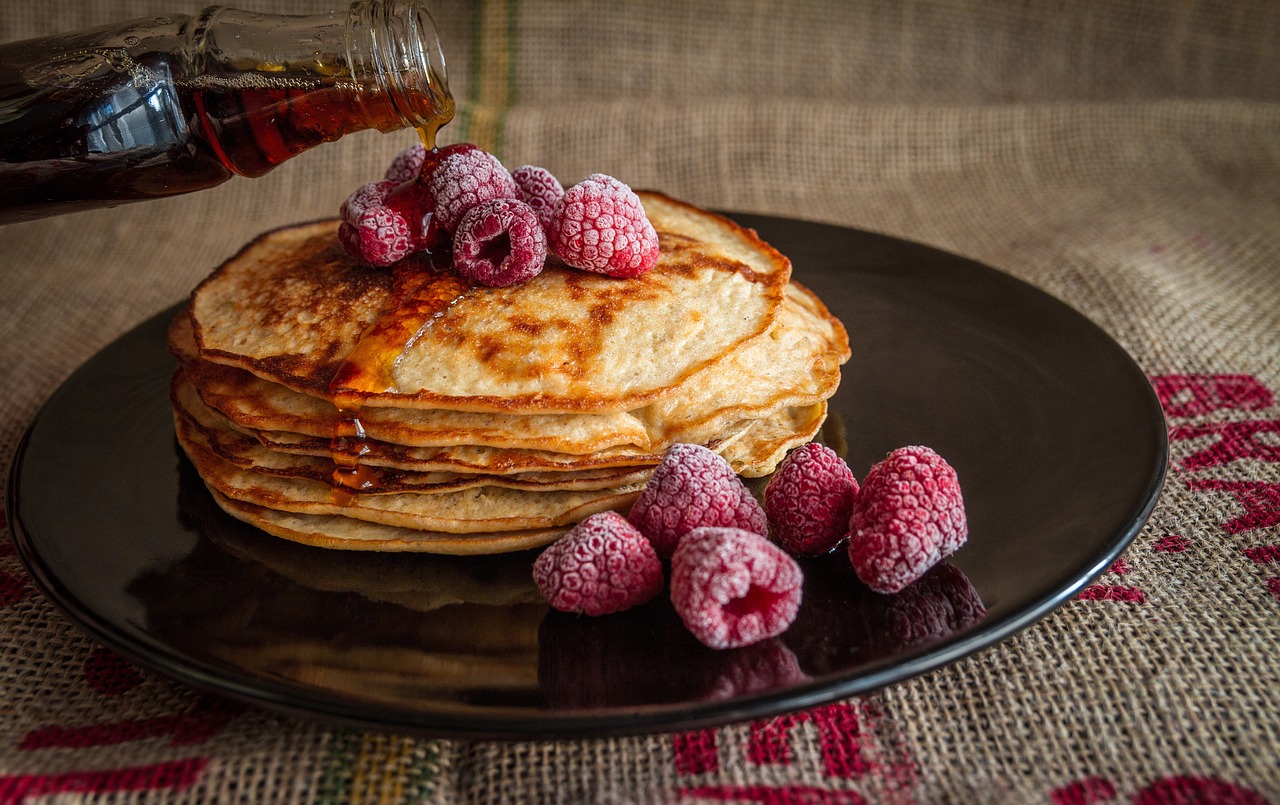
    By eating nutrient-dense foods, we allow ample macro- and micro-nutrients into our gut to maximise the chance for absorption. These nutrients help our bodies build and repair our gut, and every other body part as well.

    Some of the most nutrient-dense foods include dark leafy greens, colourful fruits and veggies, liver, and fish.

    The second pillar of gut health is our microbes. By ingesting probiotic-rich foods and drinks, we can help to replenish our gut microbes. These are found in fermented foods like kombucha, kefir, miso, sauerkraut, and kimchi.

    Make these a part of your daily diet.

    Whole foods are full of gut-friendly fibre. Not eating enough fibre increases the risk of heart disease, cancer, diabetes, and obesity.

    Fibre plays lots of roles in our gut, including whisking away some of those pesky bad bacteria and toxins so they can be eliminated. Fibre also helps to feed our friendly resident microbes that help us absorb and digest our food better.

    What foods have a lot of fibre? Fruits, vegetables, nuts, seeds, and even cacao.

    And don’t forget the uber-important lifestyle factors like getting enough sleep, stressing less, and getting the right amount (and intensity) of exercise for you. It’s easy to forget some of the simple, but key links there are between what we do with our bodies and how well they function.


    Conclusion

    The function of your gut is key to your overall health. There are two pillars of gut health: maintaining a good barrier and maintaining healthy gut microbes.

    The main ways to improve both of these naturally is by eating nutrient-dense whole foods. Foods filled with nutrition, probiotics, and fibre. And eliminating common gut irritants like added sugar, processed foods, and alcohol.


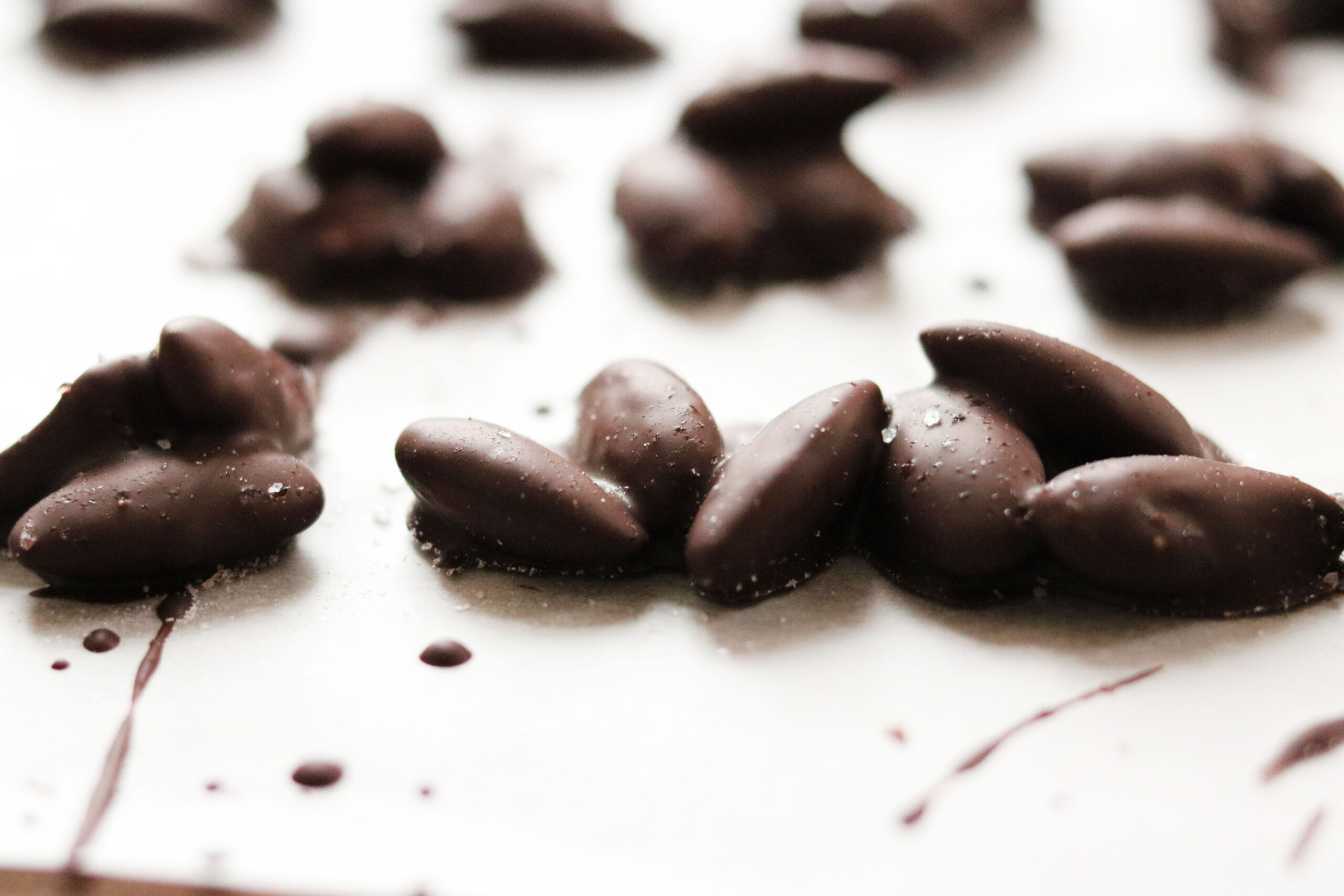
  • Chocolate and Sea Salt Nut Clusters

    Chocolate and Sea Salt Nut Clusters

    Chocolate and Sea Salt Nut Clusters

    What you need:

    •3.5 oz. (100g) 75% dark chocolate

    •90 almonds (around 3oz/90g)

    •sea salt

    What you need to do:

    To make these delicious chocolate and sea salt nut clusters melt the chocolate in a bowl bath or in the microwave.

    Place the almonds in the melted chocolate and mix well until all the almonds are covered.

    Using a fork take out 3 almonds at a time and transfer onto a sheet of baking paper, stack them on top of each other. Repeat until you have used all the almonds, making 30 clusters.

    Sprinkle with sea salt when the chocolate is almost dry, then place into the fridge for 10 mins.

    Serves: 30 clusters

    Prep: 15 mins.

    Chill: 10 mins

    Approx nutrition per serve:

    Cals: 38

    Protein: 1g

    Carbs: 2g

    Fats: 3g

  • Habits of Fit People You Can Adopt for Success

    Habits of Fit People You Can Adopt for Success

    It’s not a surprise that people who go to the gym tend to be in better shape than those who don’t.

    And without a doubt, the reason they are healthy and fit comes from their daily habits!

    But what are the specific habits of people who make fitness a priority?

    What are the habits of fit people that you can adopt yourself for success?


    #1 Waking up Early 

    Fitness enthusiasts tend to share one common goal: waking up early.

    They understand that getting up early is one of the key principles of a healthy lifestyle.

    When you wake up early, you have more time to work out, eat a healthy breakfast, and get on with your day.

    Waking up early allows you to avoid the temptation to skip breakfast and eliminates the morning rush and stress.

    Because let’s be real, one of the most common excuses to not take care of your body is “I don’t have time.”

    And if you wake up early, you’re just opening yourself time windows to do what you have to do!


    #2 Exercising

    It should go without saying that exercising is one of the key habits that fit people have.

    It’s not some magical thing that they do that gets them in shape. Having a fit body is simply the side effect of being a functional human being!

    And frankly, it’s not about going all-out in the gym every day. It’s simply a matter of taking small steps regularly.

    So you see, getting in shape isn’t difficult. It just requires some effort and dedication.

    Lift some weights go for a hike, do some bodyweight exercises and yoga!

    Explore all the ways that your body can move!


    #3 Meal Prepping

    Meal prepping is a great way to make sure you have healthy, home-cooked meals without having to spend hours in the kitchen.

    By preparing your food ahead of time, you can save both money and time.

    You’ll also have control over the ingredients and portion sizes of your meals.

    And, needless to say, you will be able to relax and unwind with a quick and stress-free kitchen session at mealtime!

    This is just another core habit of fit people, to help them save time and take care of their bodies!


    #4 Non-Exercise Activity

    One of the other considerations is that fit people are generally more active in their daily lives.

    They are also more likely to have a better self-image, which allows them to be more productive and focused on their goals.

    When you’re healthy and fit, it shows in your attitude and the way you carry yourself. This, in turn, encourages you to stay active and maintain a healthy lifestyle.

    While many people view activity and exercise as a chore, it really is just a fundamental thing for fit people!


    #5 Stress Management

    Last but not least, fit people are really good at stress management!

    What does that have to do with being fit, you may ask? Well, it’s quite simple—as you have probably figured out by now, getting and staying in shape requires a lot of effort.

    And frankly, unmanaged stress makes it twice as hard to stick to a routine that requires effort.

    Fitness-minded people, when asked what’s at the core of their success, will often mention conscious thought management and meditation as key habits.


    Final Thoughts on the Habits of Fit People

    So what do all of these fit people have in common?

    Besides the obvious things, like working out and eating healthy, they have formed good habits which have become part of their lifestyle.

    And as we all know, it’s easier to stick to something when it becomes a habit.

    So if you want to be one of those fit people (or just get healthier), start forming some good habits today.

    Let us know in the comments how you’re planning on becoming one of the fittest people around!


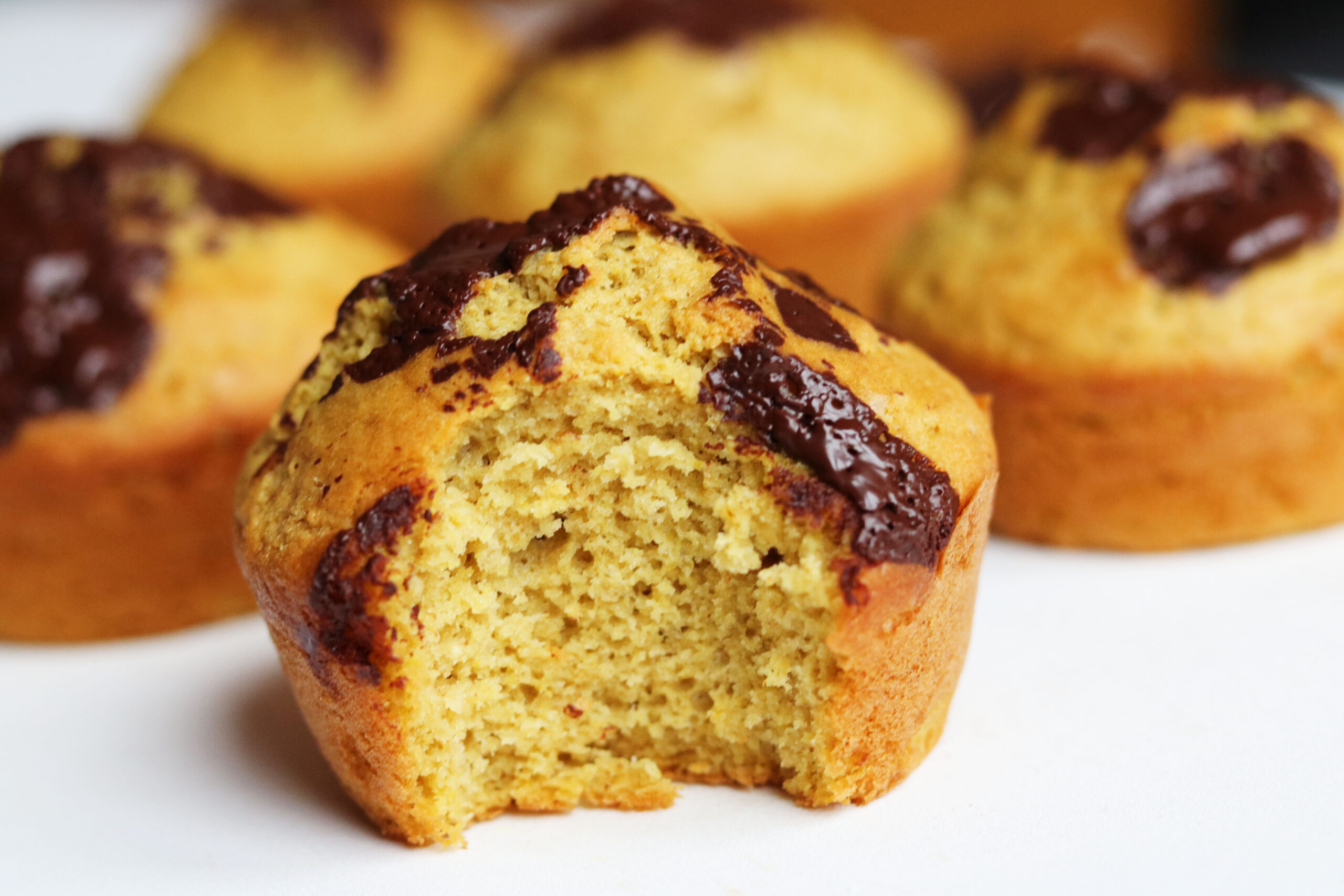
  • Caramel Muffins

    Caramel Muffins

    Caramel Muffins

    What you need:

    •8 oz. (225g) buckwheat flour

    •3 eggs

    •1 tsp. cinnamon

    •1 banana

    •1 apple, peeled, cored and chopped

    •1 ½ tsp. baking powder

    •2/3 cup (150ml) coconut or almond milk

    •3.5 oz. (100g) 75% dark chocolate

    What you need to do:

    For this caramel muffin recipe preheat the oven to 370 F (190C).

    Mash the banana with a fork in a large bowl. Then add the buckwheat flour, eggs, cinnamon, baking powder, milk, apple, and mix well.

    Grease a muffin tin and evenly fill 12 moulds with the batter. Bake in the oven for about 25 minutes. Leave to cool before serving.

    Serves: 2

    Prep: 10 mins.

    Cook: 25 mins

    Approx nutrition per serve:

    Cals: 146

    Protein: 5g

    Carbs: 21g

    Fats: 6g

  • Cheat Meals vs Refeed Days

    Cheat Meals vs Refeed Days

    We’ve all been there. You’re cruising along in your healthy eating routine, consistently making good food choices, and hitting the gym regularly.

    But then something happens to derail you—a birthday party, vacation, or just a bad day at work. 

    Suddenly, you find yourself overeating and skipping workouts.

    Before you know it, you’re right back where you started—or even worse off than before, because a cheat meal turned into a cheat day, then a week, etc. 

    You get the point.

    So how do you avoid this vicious cycle of yo-yo dieting?

    Well, lately there’s been a lot of talk about cheat meals and refeed days in the fitness world. 

    Some people swear by them, while others think they’re a waste of time. So which is it?

    Are cheat meals and refeed days good or bad for you?

    In this post, we’ll take a closer look at both concepts and help you decide whether or not you should be using them in your own workouts. 


    What Are Cheat Meals?

    A cheat meal or cheat day is a planned indulgence in foods that are typically considered unhealthy or taboo.

    Cheat meals and cheat days can be helpful for people who are trying to lose weight or maintain their weight, as they can help prevent feelings of deprivation and allow people to stick to their diets over the long term.

    However, it is important to note that cheat meals and cheat days should not be used as an excuse to eat unhealthy foods indiscriminately.

    Rather, they should be seen as a way to enjoy unhealthy foods in moderation.


    What Are Refeed Days?

    Contrary to cheat meals/days, where the goal is to take a psychological break from the chains of dieting, refeed days are meant to be functional.

    In the fitness world, people on a weight loss diet will frequently have a ‘refeed day’ where they consume significantly more calories, typically via increased carb intake.

    The goal here is again, to get a break from dieting, but also, to stimulate the metabolism, so that it doesn’t excessively slow down like it usually does on a diet.


    Cheat Meals vs Refeed Days – What’s the Difference?

    Now, at first glance, cheat meals and refeed days may sound very similar, and to a certain extent, that’s true.

    Both provide extra food to help you break the chains of dieting, but when you look deeper, they are also vastly different.

    Why? Because cheat meals are typically, well, just one or two meals and are not really planned.

    What this means is that as we said, cheat meals can easily turn into cheat days.

    On the other hand, refeed days are way more planned and calculated, as your goal would be to eat at a slight surplus of calories, but not too big of a surplus, so you can avoid gaining excess weight.


    Here’s Our Chunk of Advice

    The question here and now is, should you go for cheat meals or refeed days? And in our opinion, it doesn’t really have to be that binary.

    Why not both?

    We know for a fact that the only mandatory thing for fat loss is to be in a caloric deficit.

    What this means is that you could have a mini cheat meal every day, without affecting your progress negatively.

    That is, of course, as long as the balance is in favour of nutrient-dense foods, rather than ‘cheat’ foods.

    And we’re giving this advice a lot lately—have some of your favourite cheat foods more frequently while maintaining a caloric deficit!

    This way, these foods will become less special and thus, your cravings for them will decrease.

    Then, incorporate refeed days weekly, and the diet won’t even feel like a burden anymore!


    Final Thoughts

    So, there you have it. The cheat meal versus refeed day debate. Both sides have their pros and cons, but at the end of the day, it’s up to you to decide what works best for your body and your goals.

    If you do choose to indulge in a cheat meal every once in a while, make sure that it’s truly worth it—meaning that the majority of your diet is still healthy and balanced.

    And if you prefer to stick with refeed days, be sure to plan them out carefully so that they don’t derail all your hard work.

    At the end of the day, both methods are viable options for people on a diet; it just comes down to finding what is more sustainable for you!


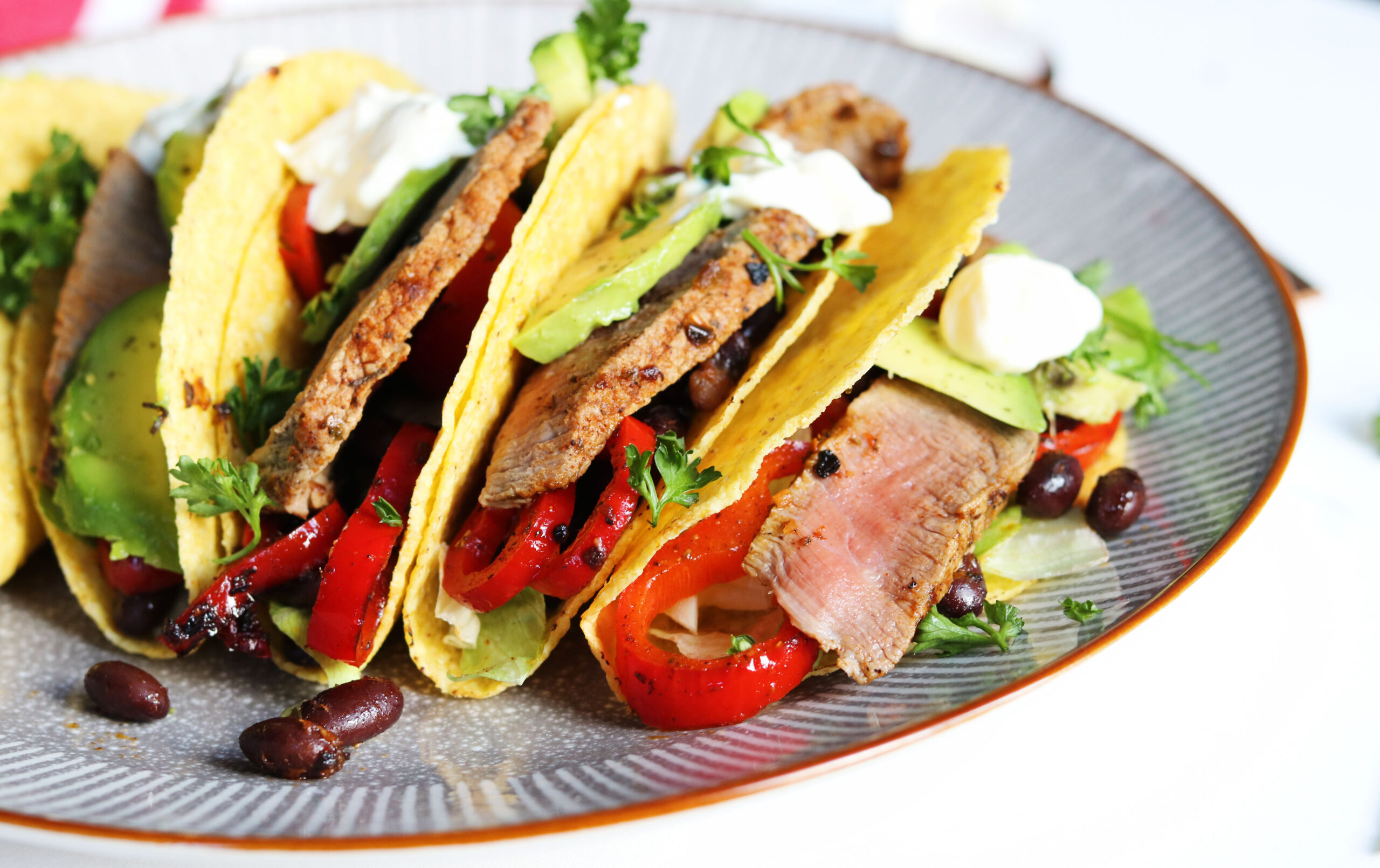
  • Beef and Black Bean Tacos

    Beef and Black Bean Tacos

    Beef and Black Bean Tacos

    What you need:

    •3 tsp. Mexican seasoning

    •2 tbsp. olive oil

    •14 oz. (400g) lean beef steak

    •2 red pointed peppers, cut into rings

    •14 oz. (400g) can black beans, rinsed and drained

    •12 taco shells

    •1 avocado

    •1 ½ cup (100g) iceberg lettuce, chopped

    •4 oz. (115g) of Greek yoghurt, 0% fat

    •1 lime

    What you need to do:

    Preheat the oven to 360F (180C).

    Mix 2 tsp. of the spices with 1 tbsp. of oil and rub the steaks with it.

    Heat a dry frying pan and fry the steaks for about 4 minutes (or adjust time to cook to your liking), turning halfway. Place the steaks on a plate, cover with foil and leave to rest for 10 minutes.

    In the meantime, heat the remaining oil in a frying pan and cook the peppers with the rest of the spices for 5 minutes on medium heat. Add the beans and heat for another 1 minute. Season with salt and pepper to taste.

    Heat the taco shells in the oven according to the instructions on the package.

    Meanwhile cut the avocado in half, remove the stone and scoop out the flesh with a spoon, then cut it into strips.

    Cut the cooked steaks into thin strips. Fill the tacos with the lettuce, steak strips, peppers, avocado and top with Greek yogurt and a squeeze of lime.

    Serves: 4

    Prep: 20 mins.

    Cook: 15 mins

    Approx nutrition per serve:

    Cals: 524

    Protein: 27g

    Carbs: 27g

    Fats: 31g

  • Conflicting Weight Loss Advice? Read This First

    Conflicting Weight Loss Advice? Read This First

    Weight loss advice is highly controversial these days. There’s much debate in the medical industry, the fitness scene, and even in the media, and we are bombarded with so many opposing viewpoints that it’s easy to become confused and jaded.

    Some diets recommend low carb as the way to go, while others recommend eating lots more fat (keto diet). When it comes to eating protocols, there’s conflicting advice there too.

    Tons of people recommend intermittent fasting and some even believe that one meal a day (OMAD) is the way to go. At the other end of the spectrum are fitness trainers who recommend that you eat six small meals a day to boost your metabolism and shed the stubborn fat.


    What’s the best weight loss advice?

    So, who’s right? They all seem credible and many people get positive results from all the different methods/tips despite the conflict in opinions/advice.

    The answer is staring right in front of you – in the mirror.

    You need to do what is right for you.

    This makes weight loss a tricky issue. It has to be customised according to your own body and how your body reacts… and there are so many factors involved that you’ll need to be extra vigilant.

    If you’re carb sensitive, eating carbohydrates might pile on the pounds. In your case, reducing carbs as much as possible will have the most desirable effect and you’ll shed the pounds rapidly.

    You may not even need to consume more fat, as weight loss still depends on that pesky calorie deficit.

    Others may not be carb sensitive but just need the body to become fat-adapted. This way it turns to the fat stores for fuel more easily rather than convincing you to eat more and use glucose for energy.


    What about meal timing and frequency?

    The principles of weight loss will ALWAYS be the same. You need to consume fewer calories than you expend. This will put your body in a caloric deficit, and you will inevitably lose weight.

    Too often, people overcomplicate things by trying to speed up the weight loss process with timing hacks and tricks.

    Millions of people swear by intermittent fasting, which involves only eating during a six- to eight-hour period and fasting the rest of the day. They believe that the body will go into ketosis and burn more fat. This is true, and it works for many, but mainly because a shortened eating window creates a calorie deficit.

    However, the truth is that it has to feel right for you. If you hate the process and feel ravenously hungry during the 16 hours, you may tend to binge-eat once your eating window begins.

    The point to note here is that despite the efficacy of any weight loss advice, there will always be some people it’s not right for.

    You may follow the conventional fitness advice of spreading your meals evenly every 2 or 3 hours and eating small meals instead of one large one. This method of grazing rather than gorging also works…if it’s sustainable for you.


    How about exercise for weight loss?

    Here too there’s tons of debate. Some people prefer to just go walking, while others swear by high-intensity interval training (HIIT) as the best way to burn fat.

    Once again, the advice is subjective. To a 30-year old man who is 30 pounds overweight, HIIT might be an efficient way to get the body in fat-burning mode.

    But what happens if it’s a 55-year old man who would rather go slower because he’s less mobile?

    In this case, brisk walking would do the job too. The goal is to elevate one’s heart rate and burn calories. Both types of exercise get the job done. HIIT is faster, but it’s a lot more taxing too.

    Movement and activity are meant to boost your metabolism and stamina. Your diet will be responsible for most of your fat loss. This is another principle to bear in mind.

    As long as you’re eating right and moving whilst in a caloric deficit, you will lose weight.

    There are tons of weight loss tips that can be praised and denounced at the same time. The truth is that it all depends on the person using the advice given.

    You need to look at your needs and preferences and tailor the advice to suit them. The key to successful weight loss is to abide by the basic principles of eating clean, maintaining a caloric deficit and getting some exercise daily.

    How you go about doing it is up to you and should be approached in a way where you can sustain your efforts. Aim for progress, not perfection – and be compliant to the principles.

    If you can do that, in about 30 days, or less, you’ll see some weight loss, and if you stick to it till day 90, you’ll look like a brand new you. Do what’s right for you.


>