Category: Uncategorized

  • Do You Have to Be a Vegetarian to Eat a Whole-Food Plant-Based Diet?

    Do You Have to Be a Vegetarian to Eat a Whole-Food Plant-Based Diet?

    Do you have to be a vegetarian, or even vegan, to follow a Whole-Food Plant-Based diet?

    While the name Whole-Food and Plant-Based (WFPB) would suggest this is the case, it couldn’t be further from the truth.

    Unlike many other diets, WFPB diets and nutritional patterns are fashioned around what they can/should include rather than what they must exclude.

    Vegans, for example, exclude meat and animal by-products from their diets. The Atkins diet lowers carbs.

    WFPB diets are marked by what they include, which are plant-based and whole foods. This implies that plant-based foods are preferable, and perhaps should be the main source of your diet, however, whole foods are the other part of that.

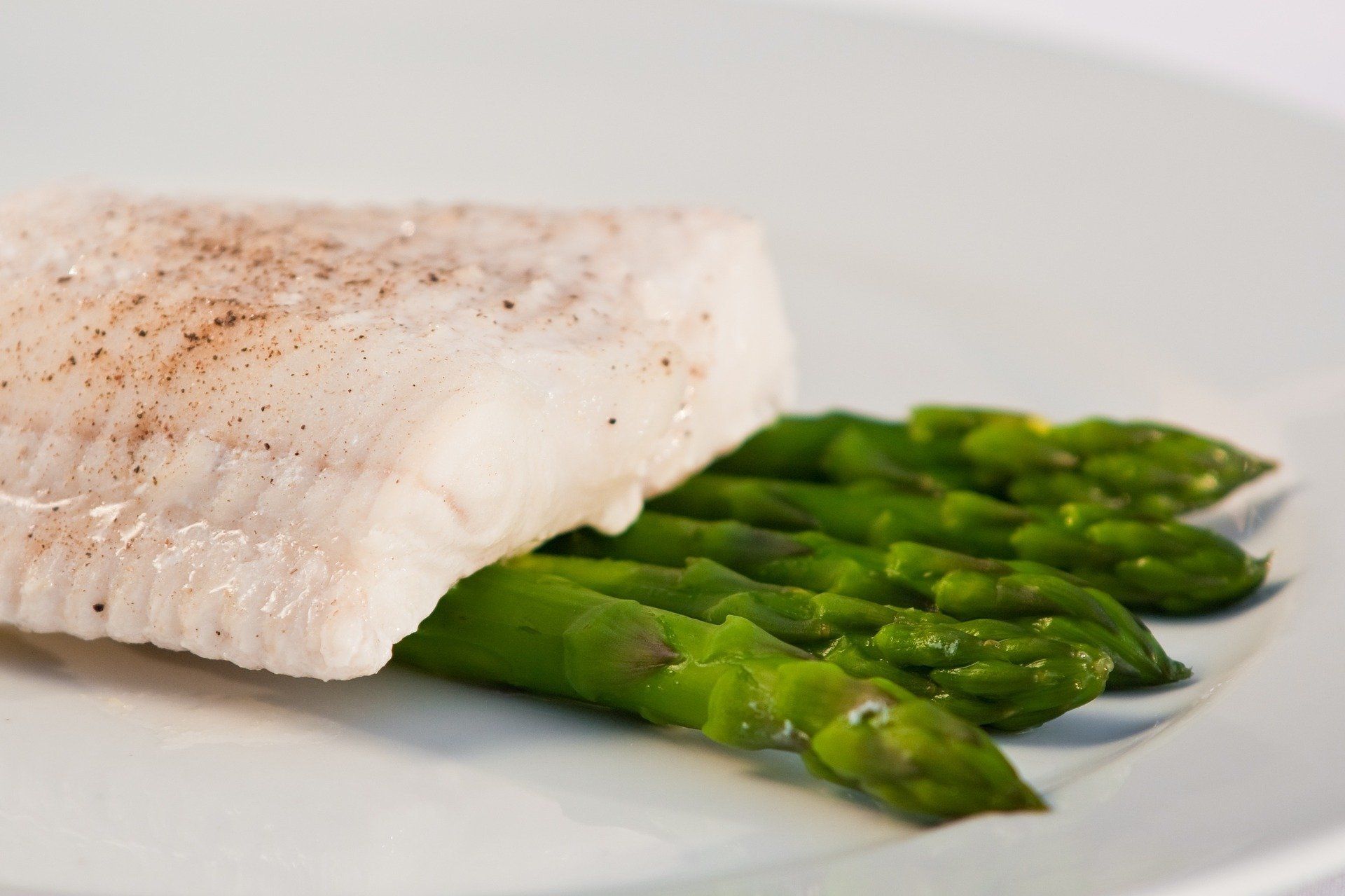
    Freshly caught salmon is a whole, nutrient-dense food, and so are eggs. Rather than focusing on the implication of a WFPB diet being that you must exclude meat and animal-based products, take a look at what you can include and decide for yourself.

    Different Diets Can be Whole-Food Plant-Based

    Pescatarianism, Vegetarianism, the Mediterranean diet and even the Ketogenic Lifestyle are all WFPB diets when done right. Now, before the Vegans and Vegetarians in the room start cringing over that last one, let’s clear something up.

    Not all Vegetarian, Mediterranean, Pescatarian, and Ketogenic eating patterns are necessarily WFPB either. Afterall, sodas and bags of deep-fried potato chips carry that vegetarian or vegan stamp. These highly processed foods also contain preservatives, additives and added sugars, so would fall short of the Whole-Food Plant-Based premise.

    What Is Whole-Food Plant-Based Eating?

    The point of a WFPB diet isn’t to avoid meat. Remember, this isn’t one of those exclusionary diets. The best place to start is to fill your already existing eating pattern with whole, nutrient-dense and plant-based foods. Avoid most refined and processed foods and make substitutions where appropriate. You can take it to a level that is comfortable and sustainable for you. This isn’t a checkbox.

    Strawberries are whole foods, they’re nutrient-dense, and they’re plant-based. However, you could also add chicken breasts which are whole nutrient-dense foods. You’re not looking to add or eat only foods which are whole foods AND plant-based.

    The WFPB concept is to add more healthy and nutritious foods to your diet. Yes, the words run together to imply a plant-based diet of whole foods, when, in fact, you’re looking for whole foods and plant-based foods. If a food item meets both qualifiers, then that’s great. 

    Is Whole-Food Plant-Based a High Carb Diet?

    One of the major myths running around about WFPB diets is that they’re too carb-heavy. This can be true, but this is also okay. Carbohydrates, especially complex carbs, aren’t necessarily the enemy. The things you want to avoid are the foods laden with simple sugars like sodas and sweets which will cause your blood sugar to skyrocket and then plummet. 

    This is the sort of thing which has been giving carbohydrates a bad name, but the fact is that your body needs carbs to burn as glucose. There’s nothing wrong with complex carbs. 

    Now that that’s said, a Ketogenic Lifestyle can be designed around a WFPB option. Most usually are. It’s just that these folks need to burn ketones rather than glucose, or want to, for whatever reason. There are plenty of plant-based options for dietary fat like avocados and olives which meet the Whole-Food requirement.

    Bottom Line

    The bottom line is that WFPB diets aren’t about which fuel you burn, or whether you eat meat or not. They’re about shoving as many types of foods into your available diet as possible so you can focus on eating nutritious, nutrient-dense, whole and plant-based foods rather than the highly processed foods most of us reach for more often than we should.

    T.V. dinners, chocolate bars and other processed foods contain way too many things we don’t need or really want.

    They taste great because they’re designed to. That’s doesn’t mean they’re good for you.

    So, don’t be misled by the Whole-Food Plant-Based name. Stick to healthy, natural, delicious, unprocessed food sources and you’re good to go.

    CINDERELLA SOLUTION REVIEW

    Disclaimer: I may be compensated as an affiliate for any products bought through links on this page. This will not cost you any more but it will help me offset my website costs. Thank you.
  • 3 Must Eat Breakfast Foods

    3 Must Eat Breakfast Foods

    Are you a breakfast lover like me? Do you have a shortlist of “go-to” breakfast recipes? Or do you sometimes wonder what is the best food for breakfast?

    Maybe you need a bit of inspiration to start eating breakfast again?

    Well, breakfast is no different to any other meal. You can eat what you want, but bear in mind that, like your other meals, some options are going to be better than others to fill you up, keep you satisfied and provide the nutrients you need for a healthy start to the day.

    Getting some protein at each meal can help with blood sugar management, metabolism and weight loss. This is because protein helps you feel fuller longer and uses up a bunch of calories to absorb and metabolise it. So I’m going to show you how to get the protein, as well as some veggies and healthy fats for your soon-to-be favourite new “go-to” breakfasts.

    Here are your 3 must eat breakfast foods:

    Must Eat Breakfast Food #1: Eggs

    Yes, eggs are the “quintessential” breakfast food. And for good reason!

    No, I’m not talking about processed egg whites in a carton. I mean actual whole “eggs”.

    Egg whites are mostly protein while the yolks are the real nutritional powerhouses. Those yolks contain vitamins, minerals, antioxidants and healthy fats.

    Eggs have been shown to help you feel full, keep you feeling fuller longer, and help to stabilise blood sugar and insulin.

    Not to mention how easy it is to boil a few eggs and keep them in the fridge for a “grab and go” breakfast when you’re running short on time.

    And…nope, the cholesterol in eggs is not associated with an increased risk of arterial or heart diseases.

    One thing to consider is to try to prevent cooking the yolks at too high a temperature because that can cause some of the cholesterol to become oxidised. It’s the oxidised cholesterol that’s heart unhealthy.

    Must Eat Breakfast Food #2: Nuts and/or Seeds

    Nuts and seeds contain protein, healthy fats, vitamins, minerals and fibre. Nuts and/or seeds would make a great contribution to breakfast.

    Don’t be fooled by “honeyed” nuts, sweetened nut/seed butters, or chia “cereals” with added sugars—you know I’m talking about the real, whole, unsweetened food here.

    Nuts and seeds are also the ultimate fast food if you’re running late in the mornings. Grab a small handful of almonds, walnuts or pumpkin seeds as you’re running out the door; you can nosh on them while you’re commuting.

    Not to mention how easy it is to add a spoonful of nut/seed butter into your morning breakfast smoothie.

    Hint: If you like a creamy latte in the mornings try making one with nut or seed butter. Just add your regular hot coffee and a tablespoon or two of a creamy nut or seed butter into your blender & blend until frothy. 

    Must Eat Breakfast Food #3: Veggies

    Yes, you already know you really should get protein at every meal including breakfast; but this also applies to veggies. You know I would be remiss to not recommend veggies at every meal, right?

    Veggies are powerhouses of vitamins, minerals, antioxidants, phytochemicals, fibre and water. You can’t go wrong adding them into every single meal of the day so if you don’t already you should definitely try them for breakfast!

    And no, you don’t need to have a salad or roasted veggies for breakfast if you don’t want to but you totally can! You wouldn’t be breaking any “official” breakfast rules ​and you won’t be arrested by the breakfast police!

    Adding some protein to leftover veggies is a great combination for any meal. Including breakfast.

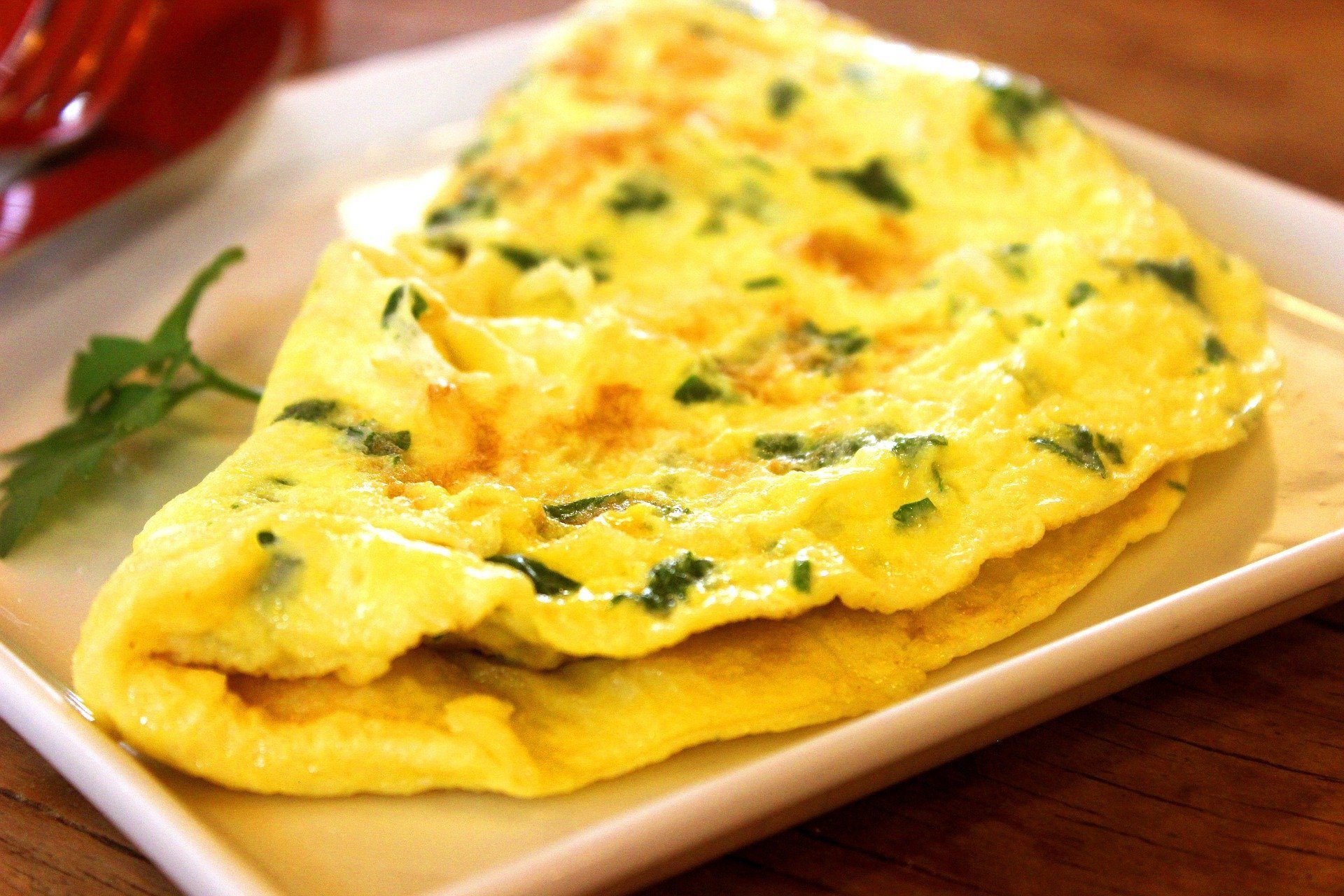
    My personal go-to breakfast menu would be a nice fluffy veggie omelette (3 eggs with chopped red onion, red peppers and spinach) topped with some chopped bacon or a tin of tuna. Yum!

    CINDERELLA SOLUTION REVIEW

    Disclaimer: I may be compensated as an affiliate for any products bought through links on this page. This will not cost you any more but it will help me offset my website costs. Thank you.

>