Category: Uncategorized

  • Sleeping Through the Night

    Sleeping Through the Night

    Have you said “bye bye” to sleeping through the night?

    Are you feeling exhausted or “running on stress hormones” all day?

    Do not fear, I have some great tips (and an amazing recipe) for you!


    The science of sleep is fascinating, complicated and growing

    Sleep is this daily thing that we all do and yet we’re just beginning to understand all of the ways it helps us and all of the factors that can affect it.

    Lack of sleep affects just about everything in your body and mind. 

    People who get less sleep tend to be at higher risk for so many health issues like diabetes, heart disease, and certain types of cancer; not to mention effects like slower metabolism, weight gain, hormone imbalance, and inflammation.  

    And don’t forget the impact lack of sleep can have on moods, memory and decision-making skills.

    Do you know that lack of sleep may even negate the health benefits of your exercise program? (Gasp!)

    OMG – What aspect of health does sleep not affect???

    Knowing this it’s easy to see the three main purposes of sleep:


    • To restore our body and mind.  Our bodies repair, grow and even “detoxify” our brains while we sleep.
    • To improve our brain’s ability to learn and remember things, technically known as “synaptic plasticity”.
    • To conserve some energy so we’re not just actively “out and about” 24-hours a day, every day.


    Do you know how much sleep adults need?  It’s less than your growing kids need but you may be surprised that it’s recommended that all adults get 7 – 9 hours a night.  For real!

    Try not to skimp!

    (Don’t worry, I have you covered with a bunch of actionable tips below.)


    Tips for better sleep

    • The biggest tip is definitely to try to get yourself into a consistent sleep schedule. Make it a priority and you’re more likely to achieve it.  This means turning off your lights 8 hours before your alarm goes off.  Seven. Days. A. Week.  I know weekends can easily throw this off but by making sleep a priority for a few weeks your body and mind will adjust and thank you for it.
    • Balance your blood sugar throughout the day.  You know, eat less refined and processed foods and more whole foods (full of blood-sugar-balancing fibre).  Choose the whole orange instead of the juice (or orange-flavoured snack).  Make sure you’re getting some protein every time you eat.
    • During the day get some sunshine and exercise.  These things tell your body it’s daytime; time for being productive, active and alert.  By doing this during the day it will help you wind down more easily in the evening.
    • Cut off your caffeine and added sugar intake after 12pm.  Whole foods like fruits and veggies are fine, it’s the “added” sugar we’re minimising.  Yes, this includes your beloved chai latte.  Both caffeine and added sugar can keep your mind a bit more active than you want it to be come evening. (HINT: I have a great caffeine-free chai latte recipe for you below!).
    • Have a relaxing bedtime routine that starts 1 hour before your “lights out” time (that is 8 – 10 hours before your alarm is set to go off).  This would include dimming your artificial lights, nixing screen time and perhaps reading an (actual, not “e”) book or having a bath.

    So how many of these tips can you start implementing today?


    Recipe (Caffeine-free latte for your afternoon “coffee break”): Caffeine-Free Chai Latte


    Serves 1-2

    1 bag of rooibos chai tea (rooibos is naturally caffeine-free)
    2 cups of boiling water
    1 tablespoon tahini
    1 tablespoon almond butter (creamy is preferred)
    2 dates (optional)

    Cover the teabag and dates (if using) with 2 cups of boiling water and steep for a few minutes.

    Discard the tea bag & place tea, soaked dates, tahini & almond butter into a blender.

    Blend until creamy.

    Serve and Enjoy!

    Tip:  You can try this with other nut or seed butters to see which flavour combination you like the best. Cashew butter anyone?


  • Why Your Waist Circumference Matters 100x More Than What You Weigh

    Why Your Waist Circumference Matters 100x More Than What You Weigh

    You totally want to ditch your scale, don’t you?

    You may have this weird kind of relationship with your “weight”. 

    I mean, it doesn’t define you (obviously)…

    Yet it occupies your thoughts far more than it should.

    What you weigh can matter but only to a certain extent.

    Let’s look at your waist circumference (well…you look at yours and I’ll look at mine).


    Waist Circumference (AKA “Belly Fat”):

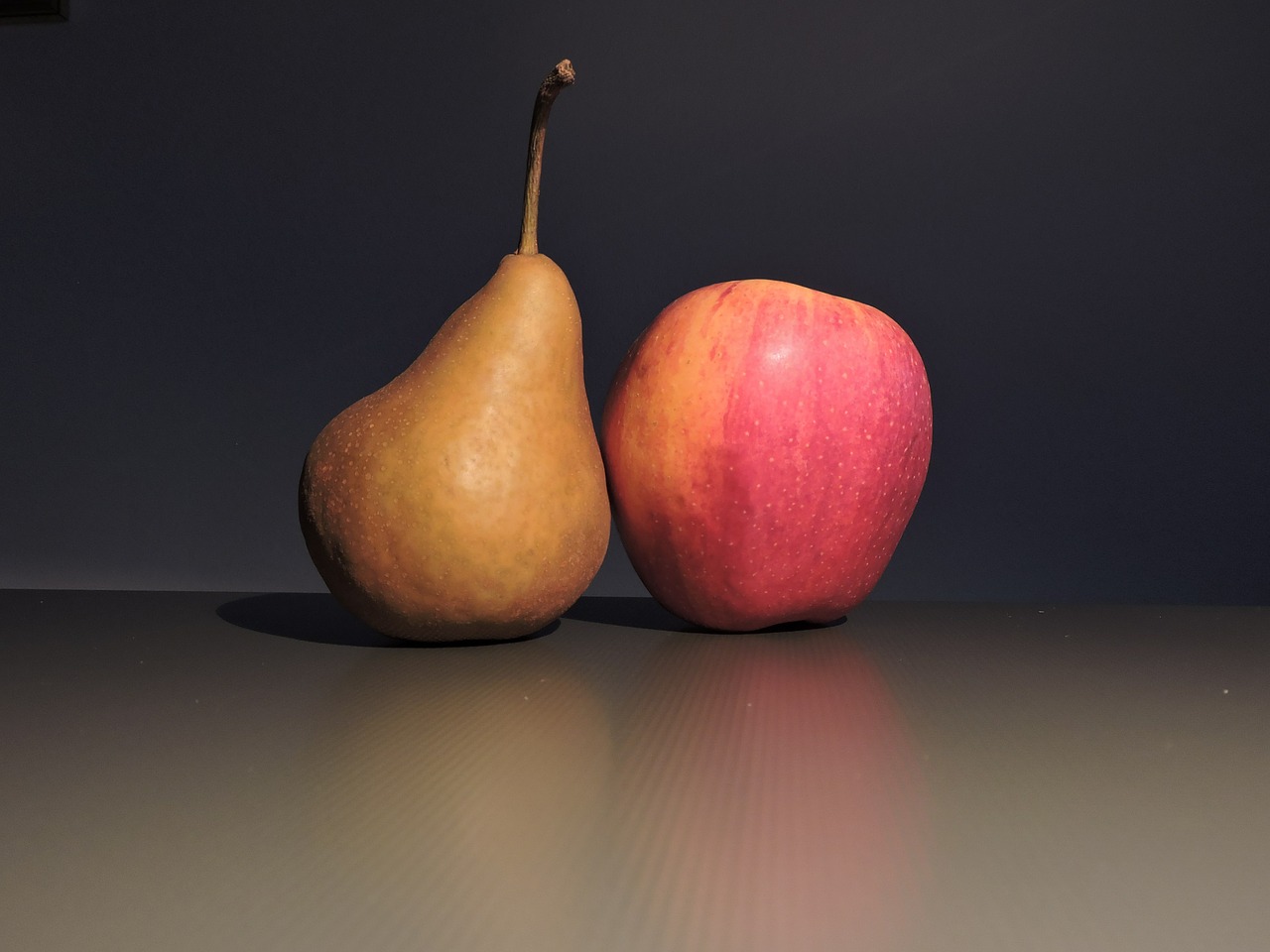
    Do you remember the fruity body shape descriptions being like an “apple” or a “pear”?  The apple is kinda round around the middle (you know – belly fat-ish, kinda beer belly-ish) and the pear is rounder around the hips/thighs.

    THAT is what we’re talking about here.

    Do you know which shape is associated with a higher risk of sleep apnea, blood sugar issues (e.g. insulin resistance and diabetes) and heart issues (high blood pressure, blood fat, and arterial diseases).

    Yup – that apple!

    And it’s not because of the subcutaneous (under the skin) fat that you may refer to as a “muffin top”.  The health risk is actually due to the fat inside the abdomen covering the liver, intestines and other organs there.

    This internal fat is called “visceral fat” and that’s where a lot of the problem actually is.  It’s this “un-pinchable” fat. 

    The reason the visceral fat can be a health issue is because it releases fatty acids, inflammatory compounds, and hormones that can negatively affect your blood fats, blood sugars, and blood pressure.

    And the apple-shaped people tend to have a lot more of this hidden visceral fat than the pear-shaped people do.

    So, as you can see, where your fat is stored, and your waist circumference matters more than how much you weigh.


    Am I an apple or a pear?

    It’s pretty simple to find out if you’re in the higher risk category or not. The easiest way is to just measure your waist circumference with a measuring tape.  You can do it right now.

    Women, if your waist is 35” or more you could be considered to have “abdominal obesity” and be in the higher risk category.  Pregnant ladies are exempt, of course.

    For men the number is 40”.

    Of course this isn’t a diagnostic tool.  There are lots of risk factors for chronic diseases.  Waist circumference is just one of them.

    If you have concerns definitely see your doctor.


    Tips for helping reduce some belly fat:

    • Eat more fibre.  Fibre can help reduce belly fat in a few ways.  First of all it helps you feel full and also helps to reduce the amount of calories you absorb from your food. Some examples of high-fibre foods are brussels sprouts, flax and chia seeds, avocado, and blackberries.
    • Add more protein to your day.  Protein reduces your appetite and makes you feel fuller longer.  It also has a high TEF (thermic effect of food) compared with fats and carbs and ensures you have enough of the amino acid building blocks for your muscles.
    • Nix added sugars.  This means ditch the processed, sweetened foods, especially those sweet drinks (even 100% pure juice).
    • Move more.  Get some aerobic exercise.  Lift some weights.  Walk and take the stairs.  It all adds up.
    • Stress less.  Seriously!  Elevated levels in the stress hormone cortisol have been shown to increase appetite and drive abdominal fat.
    • Get more sleep.  Try making this a priority and seeing how much better you feel (and look).


    As a general rule of thumb, if you want a more reliable and healthy measurement to “chase”, ignore the scale weight and aim to get your waist circumference down to half your height.


  • Why Is My Metabolism Slow?

    Why Is My Metabolism Slow?

    You may feel tired, cold or that you’ve gained weight.  Maybe your digestion seems a bit more “sluggish”.

    And you might naturally be asking “Why is my metabolism slow?”

    Why does this happen?  Why do metabolic rates slow down?


    What Can Slow My Metabolism?

    Metabolism includes all of the biochemical reactions in your body that use nutrients and oxygen to create energy. 

    And there are lots of factors that affect how quickly (or slowly) it works, i.e. your “metabolic rate” (which is measured in calories).

    But don’t worry – we know that metabolic rate is much more complicated than the old adage “calories in calories out”! 

    In fact it’s so complicated I’m only going to list a few of the common things that can slow it down.

    Examples of common reasons why metabolic rates can slow down:

    • low thyroid hormone
    • your history of dieting
    • your size and body composition
    • your activity level
    • lack of sleep

    We’ll briefly touch on each one below and I promise to give you better advice than just to “eat less and exercise more”.


    Low Thyroid Hormones

    Your thyroid is the master controller of your metabolism. 

    When it produces fewer hormones your metabolism slows down.  

    The thyroid hormones (T3 & T4) tell the cells in your body when to use more energy and become more metabolically active.  

    Ideally it should work to keep your metabolism just right.  But there are several things that can affect it and throw it off course.  

    Things like autoimmune diseases and mineral deficiencies (e.g. iodine or selenium) for example.

    Tip: Talk with your doctor about having your thyroid hormones tested.


    Your History of Dieting

    When people lose weight their metabolic rate often slows down. 

    This is because the body senses that food may be scarce and adapts by trying to continue with all the necessary life functions and do it all with less food. 

    While dieting can lead to a reduction in amount of fat it unfortunately can also lead to a reduction in the amount of muscle you have.  As you know more muscle means faster resting metabolic rate.

    Tip: Make sure you’re eating enough food to fuel your body without overdoing it.


    Your Size and Body Composition

    In general, larger people have faster metabolic rates.  This is because it takes more energy to fuel a larger body than a smaller one. 

    However, you already know that gaining weight is rarely the best strategy for increasing your metabolism.

    Muscles that actively move and do work need energy.  Even muscles at rest burn more calories than fat. 

    This means that the amount of energy your body uses depends partly on the amount of lean muscle mass you have. 

    Tip: Do some weight training to help increase your muscle mass.

    Which leads us to…


    Your Activity Level

    Aerobic exercise temporarily increases your metabolic rate.  Your muscles are burning fuel to move and do “work” and you can tell because you’re also getting hotter.

    Even little things can add up. 

    Walking a bit farther than you usually do, using a standing desk instead of sitting all day, or taking the stairs instead of the lift can all contribute to more activity in your day.

    Tip:  Incorporate movement into your day.  Also, exercise regularly.


    Lack of Sleep

    There is plenty of research that shows the influence that sleep has on your metabolic rate.  The general consensus is to get 7-9 hours of sleep every night.

    Tip: Try to create a routine that allows at least 7 hours of sleep every night. 


    None of these tips contradict the “calories in calories out” paradigm. They ARE the very things that affect calorie balance.

    Don’t forget your health and your lifestyle are just as important as weighing your dinner.


  • Coffee – Who Can Drink It and Who Should Avoid It?

    Coffee – Who Can Drink It and Who Should Avoid It?

    Coffee is one of those things – you either love it or hate it. Personally, I love it!

    You know if you like the taste or not (or if it’s just a reason to drink sugar and cream). You know how it makes you feel (i.e. your gut, your mind, etc.).

    But then you see all those crazy headlines that one day say coffee is great, and the next day that you should avoid it!

    So what should you believe? And should you keep drinking it?

    Who should drink and who should avoid coffee?

    Well, there is actual science behind why different people react differently to it. It’s a matter of your genetics and how much coffee you’re used to drinking.

    NOTE: Coffee does not equal caffeine. Coffee contains between 50-400 mg of caffeine/cup, averaging around 100 mg/cup. Coffee is one of the most popular ways to consume this stimulant. 

    But… a cup of coffee contains a lot of things over and above the caffeine. Not just water, but antioxidants, and hundreds of other compounds. These are the reasons drinking a cup of coffee is not the same as taking a caffeine pill. And decaffeinated coffee has a lot less caffeine; but, it still contains some.

    Let’s look at caffeine metabolism, its effects on the mind and body, and whether coffee drinkers have higher or lower risks of disease. Then I’ll give you some things to consider when deciding if coffee is for you or not.


    Caffeine Metabolism

    Not all people metabolise caffeine at the same speed. How fast you metabolise caffeine will impact how you’re affected by the caffeine. In fact, caffeine metabolism can be up to 40x faster in some people than others.

    About half of us are “slow” metabolisers of caffeine. We can get jitters, heart palpitations, and feel “wired” for up to 9 hours after having a coffee. The other half is “fast” metabolisers of caffeine. They get energy and increased alertness and are back to normal a few hours later.

    This is part of the reason those headlines contradict each other so much – because we’re all different!


    The Effects of Coffee (and Caffeine) on the Mind and Body

    NOTE: Most studies look at caffeinated coffee, not decaf.

    The effects of coffee (and caffeine) on the mind and body also differ between people; this is partly from the metabolism I mentioned. But it also has to do with your body’s amazing ability to adapt (read: become more tolerant) to long-term caffeine use. Many people who start drinking coffee feel the effects a lot more than people who have coffee every day.

    Here’s a list of these effects (that usually decrease with long-term use):

    • Stimulates the brain
    • Boosts metabolism
    • Boosts energy and exercise performance
    • Increases your stress hormone cortisol
    • Dehydrates

    So, while some of these effects are good and some aren’t, you need to see how they affect you and decide if it’s worth it or not.


    Coffee and Health Risks

    There are a ton of studies on the health effects of coffee, and whether coffee drinkers are more or less likely to get certain conditions.

    Here’s a quick summary of what coffee can lead to:

    • Caffeine addiction and withdrawal symptoms (e.g. a headache, fatigue, irritability)
    • Increased sleep disruption
    • Lower risk of Alzheimer’s and Parkinson’s
    • Lower risk of developing type 2 diabetes
    • Lower risk of certain liver diseases
    • Lower risk of death (“all cause mortality”)
    • Mixed reviews on whether it lowers risks of cancer and heart disease

    Many of the health effects exist even for decaf coffee (except the caffeine addiction and sleep issues).

    NOTE: What’s super-important to note here is that coffee intake is just one of many, many factors that can affect your risks for these diseases. Please never think regular coffee intake is the one thing that can help you overcome these risks. 

    You are health-conscious and know that eating a nutrient-rich whole foods diet, reducing stress, and getting enough sleep and exercise are all critical things to consider for your disease risk. It’s not just about the coffee.


    Should You Drink Coffee or Not?

    There are a few things to consider when deciding whether you should drink coffee. No one food or drink will make or break your long-term health.

    Caffeinated coffee is not recommended for:

    • People with arrhythmias (e.g. irregular heartbeat)
    • People who often feel anxious
    • People who have trouble sleeping
    • People who are pregnant
    • Children and
    •  teens.

    If none of these apply, then monitor how your body reacts when you have coffee. Does it:

    • Give you the jitters?
    • Increase anxious feelings?
    • Affect your sleep?
    • Give you heart palpitations?
    • Affect your digestion (e.g. heartburn, etc.)?
    • Give you a reason to drink a lot of sugar and cream?

    Depending on how your body reacts, decide whether these reactions are worth it to you. If you’re not sure, I recommend eliminating it for a while and see the difference.

  • What Is Intuitive Eating?

    What Is Intuitive Eating?

    What is intuitive eating?

    Trying to explain intuitive eating is like trying to learn carpentry by sitting on a chair. You have to do it to understand it. There are no hard and fast rules here because the entire process is a thoughtful journey that takes into account your emotions too.

    Unlike conventional diets, you’re not given a list of foods to avoid or given a specific calorie count to meet. There’s no bodyfat percentage to tell you if you’re obese or just overweight.

    There’s no focus on numbers or goals. You let your body tell you how it feels and you plan your meals from there.

    That’s why it’s called intuitive eating.

    The first step will be to practice mindfulness throughout the day. You’ll be observing how you feel, when you’re hungry, when you crave for food and so on.

    There’s no judgment here. It’s just introspection so that you have a better understanding of the link between your thoughts and actions. This is especially helpful for those who have the habit of emotional eating.

    Mindfulness will show you that when you’re stressed out or depressed, you tend to reach for the unhealthy foods. You’ll also realise that you might feel guilty and sad after you’ve indulged in the foods you were trying to avoid.

    Intuitive eating requires you to pay attention to how your body feels after a meal. Journaling while you’re practicing intuitive eating is very important. 

    Write down the foods you ate and note how you felt after the meal. The next day, observe if you’re lethargic or energetic. Did you have tummy issues? All these are indicators of the effect the food you’re consuming is having on you.

    Most people just endure the discomfort and turn a blind eye to it and carry on with their negative eating habits. Intuitive eating enlightens you by showing you if the food you’re eating is hurting you or helping you.

    When you’re eating intuitively, you’ll have to ask yourself, “Am I really hungry?”

    Very often, emotional hunger is mistaken for physical hunger. By asking yourself this question, you’re forced to come to terms with why you want to eat. If your stomach is growling and your hunger has been gradually building up, by all means go ahead and eat.

    However, if you suddenly crave for chocolates, are you really hungry? Or just looking for a sugar high? – You’ll then need to ask yourself if eating the chocolate is in alignment with your goals and how important is it when compared to your goal.

    If you won’t sacrifice for what you want, what you want will become the sacrifice. The goal of intuitive eating is not to control you or guilt you into giving up all comfort foods. 

    It’s about arresting poor food decisions that are made on the spur of the moment. Control over your eating has been placed back in your hands.

    You’re not a mindless food processor.

    Intuitive eating also has a scale with different levels of how full your stomach is. This is a concept and different people will feel it differently. But the general idea is that you should stop eating when you’re slightly full because it takes time for the stomach to register that you’re full.

    If you don’t take this delay into account, you’ll keep eating. By the time your stomach registers how much you’ve eaten, you could easily be overstuffed.

    Intuitive eating is ideal for people who are tired of diets and restriction. It’s for those who want something natural and easy to follow without having to starve yourself or eat foods you dislike.

    This way of eating is extremely effective and in the long run, it’s the better approach to keeping the excess pounds off.

    It’s not the easiest concept to immerse yourself in because it doesn’t have the clearly laid out guidelines that most diets have, but if you give it a try it just might be the best thing you’ve done for your health.


  • Everything You Think You Know About Healthy Eating Is Wrong

    Everything You Think You Know About Healthy Eating Is Wrong

    Everything You Think You Know About Healthy Eating is Wrong and it’s Making You Fat and Tired.

    Nutrition and diet info is everywhere, and every expert and their dog has an opinion!

    And each expert and association tries to lead you in their direction because they know best and their advice is going to help you.  Right?

    Well, maybe…

    Everyone has heard (and maybe lived through) the intense focus on how much you eat.  Calorie counting has gotten way too much attention because while this does affect your weight and energy level, it’s certainly not the “holy grail” of health. 

    Let’s focus a bit more on the often overlooked (and proven) benefits of what you eat and drink and how you eat and drink it.

    What you eat and drink

    The “calories in, calories out” philosophy (i.e. how much you eat) is being drowned out with research on other factors that may be just as important.  

    Don’t get me wrong limiting calories, carbs or fat will certainly help you lose weight but that’s simply not the only factor for long-term weight loss and maximum energy for everyone. 

    When the intense focus on how much we ate didn’t work in the long-run it wasn’t really a surprise. We kinda knew that already, didn’t we?

    You can certainly still continue to count your calories, carbs, and fat but don’t forget to also pay attention to what you eat. 

    Ideally, you need a varied diet full of minimally-processed foods (i.e. fewer “packaged” “ready-to-eat” foods).  This simple concept is paramount for weight loss, energy, and overall health and wellness.

    Every day this is what you should aim for:

    A colourful array of fruits and veggies at almost every meal and snack. You need the fibre, antioxidants, vitamins, and minerals.

    Enough protein.  Making sure you get all of those essential amino acids (bonus: eating protein can increase your metabolism).

    Healthy fats and oils (never “hydrogenated” ones).  There is a reason some fatty acids are called “essential” – you need them as building blocks for your hormones and brain as well as to be able to absorb essential fat-soluble vitamins from your uber-healthy salads.  

    Use extra virgin olive oil and coconut oil, eat your organic egg yolks, and get grass-fed meats when possible.  You don’t need to overdo it here.  Just make sure you’re getting some high-quality fats.

    How you eat and drink

    Also pay attention to how you eat and drink.

    Studies are definitely showing that this has more of an impact than we previously thought.

    Are you rushed, not properly chewing your food, and possibly suffering from gastrointestinal issues? Do you drink your food?

    When it comes to how you eat let’s first look at “mindful eating”.

    Mindful eating means to take smaller bites, eat slowly, chew thoroughly, and savour every bite.  Notice and appreciate the smell, taste and texture.  Breathe.

    This gives your digestive system the hint to prepare for digestion and to secrete necessary enzymes.

    This can also help with weight loss because eating slower often means eating less.  Did you know that it takes about 20 minutes for your brain to know that your stomach is full?

    Thought so!

    We also know that more thoroughly chewed food is easier to digest and it makes it easier to absorb all of those essential nutrients.

    And don’t forget about drinking your food. 

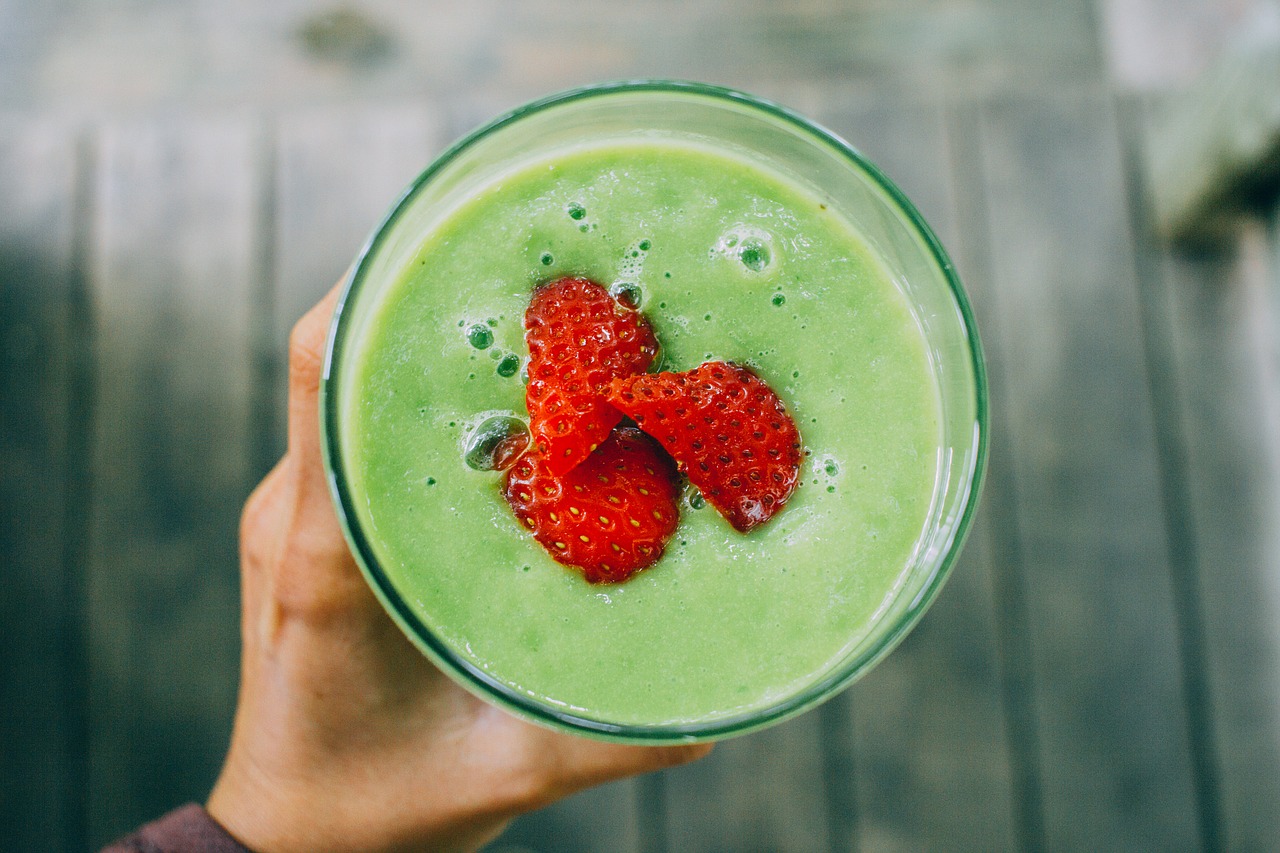
    Yes, smoothies can be healthy and a fabulously easy and tasty way to get in some fruits and veggies (hello leafy greens!) but drinking too much food can contribute to a weight problem and feelings of sluggishness. 

    Don’t get me wrong a green smoothie can make an amazingly nutrient-dense meal and is way better than stopping for convenient junk food – just consider a large smoothie to be a full meal not a snack.  And don’t gulp it down too fast.

    If your smoothies don’t fill you up like a full meal does try adding in a spoon of fibre like ground flax or chia seeds.

    In summary, consider not only how much you eat but also what and how you eat it.

  • Lose Weight By Adding These Inexpensive Foods to Your Diet

    Lose Weight By Adding These Inexpensive Foods to Your Diet

    You don’t need to spend a fortune on exotic fruits or strange supplements to lose weight!

    These common, inexpensive foods can help you get rid of the extra pounds:


    Beans

    Beans are some of the least expensive items you can put on a grocery list. Most stores sell large bags of various types of beans at low prices. You can find fresh, dried, and canned versions, so you can select the ones you like.

    Beans are a source of protein and help you stay full for longer. In addition, they have fibre and other nutrients that your body needs as you try to lose weight.

    Beans can be added to soups, chilli, casseroles, salads, and other dishes. You can even roast them to eat as a snack throughout the day.


    Bananas

    Bananas contain a starch that has been shown to help weight loss in studies. They also have nutrients like potassium that are essential for your health. Bananas can also satisfy your cravings for sweets!


    Oatmeal

     You can buy plain oatmeal in bulk and eat it for breakfast every day. Studies show that oatmeal is a great breakfast option because it gives you the nutrition you need, so you avoid feeling hungry during the day.

    If you eat oatmeal at the start of the day, you’re less likely to overindulge at lunch or dinner.

    Oatmeal is inexpensive and can be dressed up with fresh fruit, nuts, yogurt, or other simple additions.


    Broccoli

    Broccoli is inexpensive, easy to find in any supermarket, and research studies show that it can help you feel full. It has vitamins such as vitamin C and other nutrients you need as you battle your weight.

    If you hate the taste of raw broccoli, consider sautéing it with other vegetables. You can also find low-calorie sauces that help mask its taste, so it’s easier to eat.


    Multigrain pasta

    Multigrain pasta can help you with your carbohydrate needs and budget. The generic brands are even less expensive than the name brands. It’s important not to ignore your carbs because you need them for energy.

    Multigrain pasta can also have additional fibre compared to plain white pasta, and other added nutrients.

    It can help you lose weight because it will fill the craving for carbohydrates without making you turn to unhealthy junk food.


    Plain yogurt

    You can find inexpensive, plain yogurt in large pots. Yogurts with nuts and fruits tend to cost more, but you can add these items on your own and save money.

    Yogurt has been shown to help weight loss because it provides protein and makes you feel full. It’s a good snack that also has calcium and often has vitamin D. A large container can last for several days, so you can eat it for breakfast or as a snack.


    Your grocery budget doesn’t have to suffer if you’re trying to lose weight. Take advantage of foods that are not expensive and still tasty that will help you eliminate the extra pounds. You can stay on budget and feel healthier at the same time.

  • 8 Steps to Transform Your Life

    8 Steps to Transform Your Life

    “Motivation is what gets you started. Habit is what keeps you going.”

    About 90% of all coronary bypass patients have not changed their lifestyles 2 years after their surgery. Why?

    Is it because of a lack of motivation? Lack of knowledge? Or is it that they don’t believe that it’s possible to transform your life?

    We all have something in our lives we would like to change. Most of us have tried, often many times, and “failed”. Here are a few practical tips and ways to succeed in all steps of a lifestyle transformation.

    Step 1 – Figure out the problem and your values

    First, you must figure out and recognise the problem. For a thing to turn into a problem, it must cause some kind of inconvenience in our lives.

    For example, being overweight. As long as being overweight doesn’t cause us any harm (social, mental or physical) the subconscious doesn’t see a need to use any valuable time or energy to solve the problem.

    There must be strong enough stimuli attached to the problem. Often it is the diagnosis of a new illness, the death of a parent from the same illness, decline in quality of life, social stigma or the fear of the future.

    Everyone must find the most important “why” – the most important reason why something must be done.

    Step 2 – Change your mentality

    Before a big step is taken in a lifestyle change, the subconscious must be made to believe that it is possible.

    Most changes are left “stuck” in this step because we do not really believe that we could do it. We imagine the change in our heads; of a big, scary, difficult, and almost impossible challenge.

    For our lives to change for the better, we have to be made to believe that it is possible.

    The best way to do this is to get to know people who have succeeded in the change – either personally or by reading their stories.

    “If they could do it, I can do it too!” is most often a good enough motivation to go to the next step.

    Step 3 – Increase your knowledge; find more information from different sources

    Before we can successfully start a big change in our lifestyle, we must have enough theoretical information about the subject. Without knowledge, we get stuck in the beginning, and then we lose our motivation and lose our way.

    Luckily, information can be obtained in many ways, but some sources of information must be taken with a bit more scepticism. You can find reliable information if you learn to filter out the nonsense.

    For example – discuss with people who have succeeded, join Facebook groups, but don’t simply follow the advice of every “armchair expert”!

    If you want to delve deeper into the subject, buy a book about it.

    Reading always pays off, said Finnish writer Jörn Donner. The problem is that people get stuck in the “paralysis of analysis” and are unable to take the next step.

    Step 4 – Replace old habits with new ones

    An excellent book “The Power of Habit” by Charles Duhigg highlights how important it is to find new habits to replace old and unwanted ones.

    Immediately quitting an old habit hardly ever gives permanent results. We have to analyse openly and honestly the habits which prevent us from reaching a state that we are striving for.

    Replacing old habits with new ones is an incremental process and a setback is usually caused by trying too many things at once. Preferably replace 15 minutes of TV with 15 minutes of reading or one cigarette a day with a 5-minute walk.

    According to Duhigg, small changes eventually cause big changes for other aspects of life. Small positive results give us motivation to keep on going and developing.

    Patience is the key.

    Step 5 – Accept “failure”

    Do you feel that you always fail when you try? Failure is a part of the process.

    You must prepare for it. If we avoid it and just concentrate only on success, we burn out and crash.

    It’s particularly important to accept setbacks and failures beforehand. Because every process of change includes setbacks and outright failures.

    Dieters, entrepreneurs, alcoholics and kids’ parents know it.

    Therefore, we should not see it as failing because every error or setback is an experience – a possibility to analyse and learn. It is a part of a change.

    The road to our goal is not straight. If we accept that and forgive ourselves, we will rise faster and continue our lifestyle change.

    Step 6 – Prioritise

    In the book “High-Performance Habits” Brendon Burchard says that people who monitor their progress regularly are 2.5 times more likely to succeed in their goals. Monitoring motivates them to stay on track towards their goals and prioritise their energy.

    I monitor my weight and caloric intake almost every morning because, without that, I would forget how important a process it is to me.

    The other principle in a continuous successful lifestyle change is prioritising.

    It is an outright impossibility for the modern person to fit “all of the important things” in a 16-hour day.

    In his book, “The One Thing”, Gary Keller teaches that in every aspect of life, we should determine one most important thing that takes all of our attention and time, or else we end up with a lot of things that are not achievable.

    I am not much of an advocate of “a balanced life” because I know how many secondary things must be left undone to achieve goals.

    Life is full of cruel prioritising.

    Step 7 – Embrace obsession

    In all processes of change where something better is the goal, “failures” are inevitable.

    But despite how many times we fall down, we have to get back up.

    A small amount of obsession is a good thing. Most of us know the feeling of being so excited about something that we cannot think about anything else. And that obsession quickly takes us past our setbacks.

    I give myself the freedom to obsess about big goals because I know it will help me through more difficult times.

    Grant Cardone says in his book, “Be Obsessed or Be Average”, that obsession is a necessity if you want great results, and that without it results will be mediocre or non-existent.

    Most of the time I agree.

    Step 8 – Develop permanent systems for change

    In “The Power of Habit” Duhigg explains how habits are formed and how they work.

    When you are learning how to drive a car, you must constantly watch the speed, steering wheel, traffic signs, gears and pedals. After a month or two, these things come automatically. But how?

    Our brains learn to move repeating tasks into our subconsciousness so that they do not require constant notice and energy from us.

    The same happens with lifestyle changes.

    Healthy eating, regular exercise and bedtime become automatic after a few months.

    There are bound to be setbacks, nothing is 100% perfect, but we know now that by following a system and understanding our own mind, creating the habit is already significantly easier.

    Success happens every day when you decide to change.

  • Top 5 Weight Loss Mindset Tips

    Top 5 Weight Loss Mindset Tips

    A strong, positive mindset is one of the most important tools on your weight loss journey.

     With the right mindset, you’ll find facing weight loss challenges and sticking to your weight loss goals a breeze. However, developing and maintaining a positive weight loss mindset can be difficult.

    That’s why in this article I’m going to be listing five top weight loss mindset tips.

    Tip 1 – Be Patient

    If you’re trying to lose a large amount of weight then you need to accept that it’s going to be a long term process and stay patient as your work towards your final fat loss goal.

    Most healthy weight loss programs will result in around 2lbs of fat loss per week, so use this as a benchmark and get a general idea of how long it’s going to take to achieve your desired amount of weight loss.

    Then when impatience sets in, remind yourself that reaching your weight loss goal will take time but every day is taking you a step closer to your ultimate fat loss goal.

    Tip 2 – Learn to Focus on Successes

    As with many long term goals, it can sometimes seem natural to focus on the negatives on your fat loss journey. However, by doing this, you’re ignoring all the positive steps you’ve made along the way and setting yourself up for disappointment.

    So next time something doesn’t go to plan on your weight loss journey and you feel disappointment setting in, make an effort to think about all the positive steps you’ve made that week.

    By doing this, you’ll quickly realize that the positives heavily outweigh the negatives, feel more motivated and discover that you’ve got nothing to be disappointed about.

    Tip 3 – Accept That Setbacks Will Happen

    While it’s important to focus on successes and not setbacks, you still need to accept that setbacks will happen.

    Once you accept that they’re a necessary part of your weight loss journey and something that you can use to make yourself stronger and more motivated, you’ll stop seeing them as a negative thing, they’ll have much less control over you and you’ll find it much easier to stay motivated.

    Tip 4 – Meditate Daily

    Meditation allows you to clear your mind of negative thoughts and puts you in a neutral mental state from which you can then build positive, constructive thoughts.

    By meditating daily, you’ll find it much easier to implement the three tips above and maintain an increasingly strong positive mental attitude which helps you achieve your weight loss goals.

    Tip 5 – Get At Least 6 Hours of Sleep Every Night

    Getting at least six hours of sleep every night has both a physical and mental impact on your weight loss efforts.

    First, it gives your weight loss efforts a physical boost by stimulating the release of growth hormone (a hormone that promotes fat burning). It also gives your weight loss efforts a mental boost by naturally suppressing your appetite and increasing your energy levels.

    Therefore, by getting at least six hours of sleep each night, you’ll put yourself in a mental state where you’re less likely to overeat and more likely to exercise which is exactly what you want if you’re trying to lose weight.

    Summary

    With the right mindset, you can achieve any weight loss goal that you set yourself. So if you’re currently having issues with motivation or discouragement when it comes to weight loss, make sure you implement all five of these tips and start realizing the benefits a positive mental attitude can have on your fat loss success.

  • Top 5 Weight Loss Lifestyle Tips

    Top 5 Weight Loss Lifestyle Tips

    One of the biggest issues people have when trying to lose weight is their lifestyle. They’re fully prepared to eat the right foods and do the appropriate exercises but then life gets in the way and throws all their hard work out the window. 

    The good news is that with a little planning and consideration, you can burn body fat while also dealing with the challenges that life throws at you.

    In this article I’m going to be helping you do exactly that by providing you with five of the best weight loss lifestyle tips.

    Tip 1 – Exercise In The Morning

    Exercising in the morning isn’t the only way to lose weight, or even the best way. However, if you lead a busy lifestyle, exercising first thing ensures that you get your workout in before the pressures of the day set in.

    Scheduling your workouts for later in the day when you’re already busy makes you a lot less likely to follow through with them. Therefore, if your schedule allows it, make your weight loss workouts the first thing you do when you wake up.

    The best workout is the one you actually do.

    Tip 2 – Prepare Healthy Food In Advance

    One of the main reasons people eat unhealthy meals is because they’re running short on time. They plan to eat healthy but then something comes up at short notice and they don’t have time to put together a healthy meal, so they grab some fast food instead.

    However, if you set aside some time each week to prepare a batch of healthy meals, then you’ll always have something healthy available for the times you’re in a rush and you’ll never have to resort to fast food as a quick fix again.

    Tip 3 – Always Carry Some Workout Clothes

    Even when you lead a busy lifestyle, you’ll find that sometimes appointments are cancelled or moved and you’re left with unexpected blocks of free time. These blocks of free time are a fantastic opportunity to get a workout in and burn some extra body fat.

    However, to take advantage of them, you need to have the right gear close by. Therefore, make a point of always carrying some workout clothes with you, so that if a block of free time opens up during the day at short notice, you’re fully prepared to make the most of it.

    Tip 4 – Walk When You Can

    Most people don’t walk as much as they could. They take the elevator instead of the stairs and use their car for short journeys that could be easily completed on foot.

    However, walking burns around 240 calories per hour, so by walking whenever you can during the day, you can give your fat loss efforts a notable boost. Just an hour of extra walking per day will burn off over 1,500 calories during the week and over 7,000 calories during the month.

    So next time you head for the elevator or grab the car keys, think whether that’s really the best decision for losing weight and if possible, turn it into an opportunity to add some extra walking to your day.

    Tip 5 – Be Flexible With Your Cheat Meals

    One big mistake people make when trying to lose weight is being too rigid with their cheat meals. They decide that one day of the week is their cheat day or allocate certain days and times during the week as cheat meals and then if they end up eating any cheat meals outside of these allocated slots, they feel guilty and disappointed.

    However, life is spontaneous and things will come up at short notice that make it difficult to stick to your healthy eating plans.

    So instead of beating yourself up about these spontaneous cheat meals, adapt your healthy eating schedule and give yourself a 10-20% cheat meal allowance during the week but don’t allocate dates and times to it. Then when you have a cheat meal at short notice, remove it from your allowance.

    This approach is much more flexible and allows you to adapt your healthy eating plans based on what life throws at you while still sticking to your healthy eating goals.

    Summary

    As you can see, with the right attitude, it’s possible to stick to your fat loss goals in any situation. So take another look at these tips, start implementing them today and ensure that your lifestyle doesn’t ever hinder your weight loss goals again.

  • Is Muscle Heavier than Fat?

    Is Muscle Heavier than Fat?

    Probably the single most frustrating and unnecessary debate that crops up again and again in fitness communities is the one about muscle vs fat.

    Is muscle heavier than fat?

    It usually begins with the pictures. A lady in a bikini shares her before and after pictures.

    She looks great in both. But in the first, she has a softer, curvy figure. And in the second she’s standing on stage ripped to shreds with well-defined muscles and barely an ounce of fat on her.

    Because she’s lost the fat she looks lighter in the second picture, but she comments that actually, she’s exactly the same weight. Whaaaat?

    “Yes”, she says, “because muscle is heavier than fat I look leaner but my weight hasn’t changed.”

    Then all hell breaks loose!

    “Muscle weighs the same as fat but it’s denser!”

    “Muscle and fat are the same weight but one takes up less space than the other!”

    And my favourite “A pound of muscle weighs the same as a pound of fat!”

    And the poor lady is left feeling confused and awkward.

    So let’s help her out and have a look at these “arguments”.

    “A pound of muscle weighs the same as a pound of fat.”

    No shit, Sherlock! And in that genius statement, we’ve established that every substance on the planet weighs exactly the same. That’s very helpful!

    A pound of muscle weighs the same as a pound of fat, just like a pound of feathers weighs the same as a pound of lead.

    Is Lead Heavier than Feathers?

    True as it is it’s totally irrelevant.

    In fact, that statement is totally misinterpreting the original comment, and shows a complete misunderstanding of basic equations. If you choose to make 1 pound the common denominator then her answer would not be muscle is heavier than fat but “fat is bigger than muscle”.

    “They weigh the same but muscle is denser.”

    Yes, muscle is denser. Good call.

    But what’s the definition of denser? The particles that make up the substance are more tightly packed.

    Density = mass per unit of volume

    When we compare the density of two substances we’re comparing the mass in a given volume of each. We’re not comparing the mass in a random volume of one versus a random volume of the other.

    To compare variables we need to take at least one common denominator then we can make a meaningful comparison between two substances.

    Not making sense?

    Ok, let’s take density as an example.

    Density = mass per unit of volume and the standard measure used is…

    density = kg/(cubic metre)

    To compare the density of two substances we’ve taken a common denominator (a volume of 1 cubic metre) and compared the mass of each to define a figure for density.

    Similarly for fat and muscle. Take one cubic meter of each and the one with the higher density (muscle) has the higher mass.

    “Muscle and fat weigh the same but the muscle takes up less space.”

    Another true observation, but simply another way of stating the same thing.

    If you take a piece of muscle and a piece of fat the same weight (1 pound now being the common denominator) because muscle is denser it takes up less space.

    So we can agree that muscle is denser and that a given mass will occupy less space than the less dense fat, so the problem must be the word “heavier”.

    (We should clarify that “mass” and “weight” are interchangeable because weight is simply a measure of the force of gravity on a mass as measured by the scales. If we’re both standing on the same planet then gravity is constant so weight can be assumed to mean mass.)

    “Heavy” as a word is subjective (although taking a small amount of mercury doesn’t seem to stop it being called a “heavy metal”). If I find a dumbbell heavy and you say it’s light then that just shows you’re stronger than me.

    But assuming we’re talking about the weight of a substance and not the seriousness of this conversation, the word “heavier” applied between two substances has a pretty definitive meaning. One has more weight than the other.

    So does muscle have more weight than fat?

    I think we’ve decided that due to it’s greater density a cubic metre of muscle does indeed have more weight than a cubic metre of fat.

    Does that mean muscle is heavier than fat? Only if we know how much of each we’re weighing (in this case one cubic metre).

    Right, so now it comes down to the volume. What size muscle are we weighing against what size of fat? We can’t say “a muscle” is heavier than “a lump of fat” because the size is ambiguous. But what about “muscle tissue” versus “fat tissue”.

    Now we’ve taken away the ambiguity of size but we still need two substances to measure, so the sensible option would be to take an equal amount (volume) of each and weigh them against each other. We’ve got our common denominator (volume) and we can now compare our variable (weight).

    Is it unfair to make that assumption? Well if we go back to our scientific definition of density there is an explicit assumption that there is a common denominator (cubic metre). The “concept” of density remains, the particles are always more tightly packed in the denser substance, but we can’t put a number on that until we give it volume.

    If it’s good enough for science, and it’s good enough for common sense, then in the absence of any amounts (specified or not) it should be totally reasonable to assume we’re comparing like for like.

    Still not convinced? Let me ask you another question.

    What’s the fastest animal in the world?

    Did you say cheetah?

    So is a cheetah faster than a warthog? NOT IF THEY’RE BOTH RUNNING AT 20MPH!

    The unspoken assumption is that we are applying a common denominator (a fixed attribute) which in this case is top speed.

    We can say a cheetah has a higher top speed than a warthog but we can’t say it’s faster… unless you assume a common factor—and we always do!

    From Wikipedia – “The fastest land animal is the cheetah…”

    If a cheetah is faster than a warthog then muscle is heavier than fat.

    This is not saying any amount of muscle is heavier than any amount of fat. And it certainly isn’t saying one pound of muscle is heavier than one pound of fat.

    What it’s saying is “all other things being equal, muscle tissue is heavier than fat tissue”.

    Getting back to our lady on the stage we can now see that she’s lost 5 pounds of fat and, by luck or judgement, gained 5 pounds of muscle.

    She looks smaller and weighs the same because, as she says, “muscle is heavier than fat”.

    What’s most frustrating about the whole conversation is that everyone is correct, including the woman who says muscle is heavier than fat!

    It is possible to lose fat, gain muscle, look leaner and still weigh the same. When it comes down to it, what matters for weight/fat loss is that people understand the principle of the argument. How you view that is just a matter of which side of the equation you approach it from.

    More importantly, if you’ve been mocking people for saying muscle is heavier than fat, you should stop being a dick about it!

    YOGA BURN REVIEW

    Disclaimer: I may be compensated as an affiliate for any products bought through links on this page. This will not cost you any more but it will help me offset my website costs and maybe the odd hair cut. Thank you!

  • 8 Weight Loss Motivation Tips

    8 Weight Loss Motivation Tips

    Losing weight requires time and patience because there aren’t any shortcuts. If you need to lose a few pounds, it will take a minimum of several weeks. Significant weight loss goals can take several months or even years, and that can lead to a loss of weight loss motivation.

    ​Keeping your motivation high will make it easier to weather those tough days when your weight loss goal seems out of reach.

    ​Use these tips to maintain your weight loss motivation and shed those pounds:

    1.     Place your favourite inspirational quotes on your mirror or refrigerator. A quick pick-me-up can save the day when your motivation is waning. It can also be an effective way to start your day.

     · Tape a few quotes to the bathroom mirror. Doing the same on the refrigerator door can prevent those dietary lapses.

    2.     Keep track of your progress. Keeping track of your progress is motivating and smart. How will you know if your diet and exercise plan is effective if you’re not taking regular measurements?

     · There are many ways to track your progress. Find and use the one that motivates you the most.

    3.     Use weight-loss jars as a visual reminder. Keeping written records of your weight loss is an effective exercise, but sometimes it’s difficult to appreciate a 2-pound loss in the mirror.

     · Fill a glass jar with decorative stones or marbles. Each one is equivalent to a pound you wish to lose. As you lose weight, move your marker from the full jar to an empty one. It’s exciting to watch the contents of one jar shrink as the other increases.

    4.     Hire a personal trainer. Getting to the gym regularly isn’t easy. Most of us are skilful at coming up with reasons why it makes sense to stay home. Knowing that your personal trainer is expecting you at the gym greatly increases your incentive to show up.

     · A good personal trainer will also track your progress and hold you accountable.

    5.     Find a workout or weight loss buddy. Losing weight can be a lonely process. Considering the obesity rates in first-world countries, there are plenty of others in the same situation. Find a buddy with whom you can communicate on a regular basis. Ideally, you can also find someone to join you for workouts.

    6.     Purchase new work out gear. Some new workout clothes and shoes can inspire activity. If your workouts are lagging, a new outfit might be just the motivation you need.

    7.     List your reasons for losing weight. After a few weeks of dieting, it’s typical to lose track of your original motivation. Make a list of all the reasons you want to lose weight. No reason is too small or petty, as long as it’s true.

     · Do you want to look better? Enhance your health? Fit into your old jeans? Write it down and review your list regularly.

    8.     Provide small rewards along the way. It could be a bad idea to wait until you’ve reached your final goal to reward yourself. Begin with small goals to get yourself started. Dieting becomes tougher after a while, so give yourself larger rewards as you progress.

    Keeping your motivation high is an important part of reaching any weight-loss goal. Losing weight is a slow process and progress can be difficult to see at times. Motivation is personal. What works for others might require a little tweaking to be effective for you.

     Stay focused on all the great progress you’re making and continue looking forward. A small amount of attention and motivation each day can keep your spirits and expectations high.

    FLAT BELLY FIX

    Disclaimer: I may be compensated as an affiliate for any products bought through links on this page. This will not cost you any more but it will help me offset my website costs and maybe the odd hair cut. Thank you!

>