Author: bruce

  • Getting Started – How to Eat More Whole Foods

    Getting Started – How to Eat More Whole Foods

    You know you should eat more whole foods and less of the processed stuff. You understand that sugar, salt, trans fats and other unhealthy additives find their way into many of the foods you eat. And you know that the first step towards a healthy body is a healthy diet.

    Maybe your doctor, nutrition coach or health-obsessed friend recommended eating more whole foods. Perhaps you have a pretty good idea of what they are talking about, but not a solid definition. Let’s clear that up right now.

    WebMD is a respected health and wellness site. They deliver valuable health knowledge, as well as support for those seeking to live a healthier life. They define whole foods as …

    “Foods that are as close to their natural form as possible.”

    They have dedicated a section of their website to covering everything you need to know about a Whole Foods Diet. In her book “Unhooked: A Holistic Approach to Ending Your Struggle with Food”, Registered Holistic Nutritionist (RHN) Laura Dawn defines whole foods as …

    “Food that has been processed or refined as little as possible and is free from additives or other artificial substances.”

    In other words, whole foods receive little or no processing or interference from man before you eat them.

    Common Whole Foods List

    What are some typical whole foods (sometimes referred to as ‘real food’ or ‘clean food’)? These are foods straight from nature, right off the bush or out of the ground. There are far too many to list but here’s a few just to get you started . . .

    Fruits

    WHOLE FOODS - FRUIT
    • Apples
    • Bananas
    • Cantaloupe
    • Grapes
    • Oranges
    • Peaches
    • Strawberries
    • Raspberries
    • Cherries
    • Blueberries
    • Kiwi
    • Pears
    • Pineapple
    • Watermelon

    Vegetables

    WHOLE FOODS - VEGETABLES
    • Asparagus
    • Broccoli
    • Carrots
    • Cauliflower
    • Celery
    • Cucumber
    • Green Beans
    • Onions
    • Peppers
    • Sauerkraut
    • Spinach
    • Squash
    • Tomatoes
    • Zucchini / courgette
    • Kale
    • Mushrooms
    • Cabbage
    • Sprouts
    • Beetroot
    • Parsnips
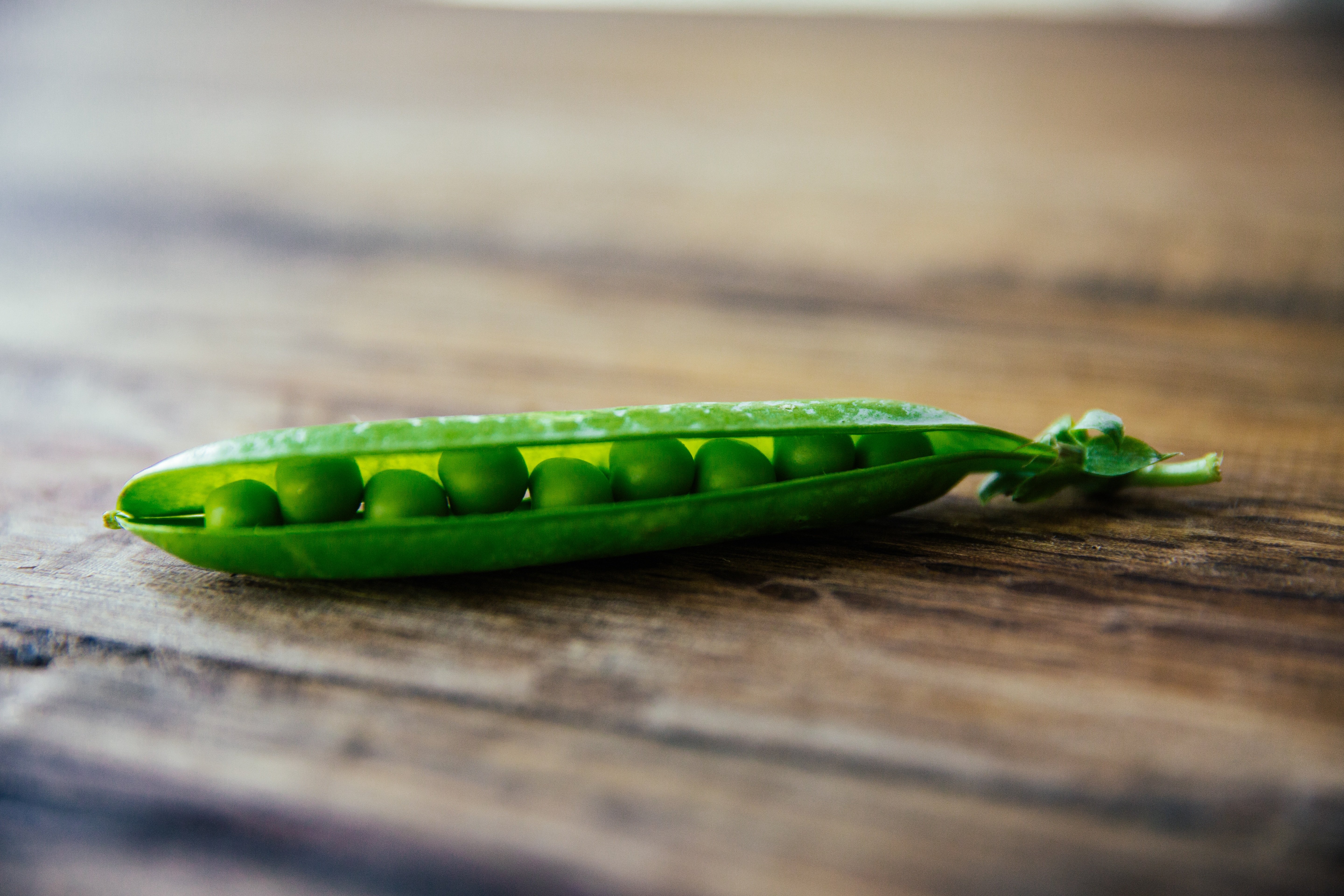
    • Peas
    • Marrow
    • Radish
    • Artichoke
    • Watercress
    • Too
    • Many
    • To mention . . .

    Meats and Seafood

    WHOLE FOODS - MEAT
    • Beef
    • Lamb
    • Pork
    • Venison
    • Ham
    • Turkey
    • Chicken
    • Salmon
    • Tuna
    • Mackerel
    • Haddock
    • Lobster
    • Clams
    • Shrimp

    This is by no means a complete list. However, you can see some common traits when you look at the foods above. Eaten without processing and additives, these whole foods deliver vitamins, minerals, fibre, healthy enzymes, phytonutrients and all the other elements needed to build a strong, healthy body.

    A Typical Day Eating Whole Foods

    Some may look at a whole foods list and think, “How can I eat nothing but these healthy foods every meal?” Unfortunately, processed food is a big part of breakfast, lunch, dinner and snacks for many people these days. You may have become used to eating processed foods during most meals, so the idea of eating nothing but whole foods is daunting.

    Let’s take a look at a sample day in a whole food diet plan to show you just how easy eating healthy can be.

    Breakfast

    No store-bought bagels or boxed cereal products here. How about a delicious omelette with broccoli and bell peppers, covered with grated Parmesan cheese? That is an entirely acceptable whole foods breakfast. The fact that you are getting plenty of protein from your eggs also means you will feel full longer, and generally eat less throughout the day.

    Lunch

    Some whole food aficionados will fix a huge salad at the beginning of the week. They then package lunchtime portions so their midday meals are quick and easy. Your lunch and dinner on a whole foods plan should include protein, some type of healthy fat and some vegetables. Salmon with grilled squash and cucumbers drizzled with a little coconut oil or cold pressed extra virgin olive oil makes a nutritious lunch that won’t lead to a traditional sugar crash later on.

    Dinner

    How does grilled pork chops with potatoes and asparagus sound? Why not treat yourself to a steak with onions and mushrooms sautéed in coconut oil, accompanied by Brussels sprouts and a salad with your favourite fruits and vegetables?

    The number of dinners you can learn to make which stick to a whole food diet are close to limitless. Mixing and matching meat, seafood, vegetables and fruits delivers plenty of versatile and great tasting possibilities.

    Snacks and Desserts

    A handful of nuts or dried fruits makes for a healthy snack that fills you up quickly. Hard-boiled eggs or vegetables with guacamole are some other healthy snacks that a whole foods dietary approach recommends. Fresh coconut or a fruit salad makes a healthy dessert. Adding honey to any whole foods can satisfy your sweet tooth without adding a ton of processed sugar.

    Whole Foods Shopping Tips

    You may not be familiar with shopping for whole foods on a regular basis. Just remember the following tips, and your whole foods shopping experience, as well as your health, will benefit.

    • Don’t go shopping on an empty stomach.

    • Stick to the perimeter of your grocery store.

    • Find the store with the best prices on meats and seafood. These are usually your most expensive whole foods. Then purchase whatever fruits and vegetables are on sale at that store.

    • Buy in bulk at a discount store like CostCo.

    • Shop at farmers’ markets. The fruits and vegetables offered here are as close to the ground as possible, and you can usually find better prices than at your big box grocery store.

    • Go grass fed for beef, and wild caught for fish. You might spend more money this way, but the food is much healthier.

    Whether you call it whole foods, clean eating or simply cutting out most of the crap, it’s important to remember not to be too obsessive.

    Clean eating gets a bad rap these days because too many people get tied up in the dogma. Eating better is not an all or nothing proposition.

    Trying to shift your eating habits away from most of the addictive, sugar laden, processed stuff to a more whole food diet as nature intended you to eat, does not make you obsessive and neither does it have to be unsustainable or bland.

    Follow these tips to improve your overall eating habits but allow yourself sweets and treats occasionally without guilt or worry. Your body will cope with them just fine if the majority of your diet is natural, whole and healthy.

    CINDERELLA SOLUTION REVIEW

    Disclaimer: I may be compensated as an affiliate for any products bought through links on this page. This will not cost you any more but it will help me offset my website costs. Thank you.

  • How to Finally Make Exercise a Habit

    How to Finally Make Exercise a Habit

    Everyone knows they need to exercise, but many of us find it hard to regularly and consistently make exercise a habit.

    Maybe you want to build some muscle. Or perhaps you’d like to lose some fat. Either way, you want to feel better, be healthier and be more proud of your body.

    Maybe you joined a gym or found a friend that would walk or play tennis with you regularly. But driving to the gym became too much of a hassle, or your friend bailed on you. Eventually, most of us just quit.

    What’s the secret of those that exercise religiously? You might think it’s a matter of willpower, but willpower is only a short-term solution.

    Try these strategies to develop an exercise habit that sticks:

    1. Set a goal. You must know where you’re headed. Do you want to gain or lose weight? Are you trying to become faster and stronger? It’s important to do one thing at a time. Maybe you want to gain 20 lbs of muscle and lose 30 lbs of fat. Lose the fat first and then focus on gaining that muscle.

    • Ensure your goal has a deadline. A deadline creates a sense of urgency. A good deadline should be challenging, but realistic.

    • Put your goal and deadline on your nightstand. Review them both every night and every morning.

    2. Determine a time that works for you. If you exercise first thing in the morning, your evening will be free and you know you’ll get your exercise done. However, most of us struggle to get up on time already. Consider using your lunch break for a little exercise. The evening has its advantages, too. Think about what will work for you.

    3. Create a plan. Your plan should be based upon your goal and deadline. Consider including a schedule, the exercises you’ll perform, and the number of sets or repetitions.

    • Your plan, like your deadline, should be reasonable. Avoid setting yourself up for failure.

    4. Find an experienced training partner. Finding a committed and experienced workout partner is another key to success. If your partner quits, you’re much more likely to quit, too. So find someone as serious about working out as you would like to be about working out. Approach them and see if you can train along with them.

    5. Stay consistent. There will be days that you don’t feel like exercising, but those can be your best workout days. When it’s time to exercise, it’s time to exercise. The more you do your exercise, the stronger the habit becomes. Work your plan.

    • Remember that your plan is your path to success.

    6. Work on your inner game. Having a goal and a plan will strengthen your confidence. Seeing positive changes in your performance and appearance helps too!

    • Know that it’s all science. If you do the right things every day, success is inevitable!

    Think about all the wonderful benefits you’ll gain by developing a strong exercise habit. Keep that picture in your mind when the going gets tough. Having success in this area of your life can translate into other successes too.

    The great thing about exercising is that you’re not really dependent on anyone else. All the variables are under your control. It’s a great way to test how much control you have over yourself.

    In 30 days, you can have a strong exercise habit that will be resistant to change. Put your best efforts into this first month to create your habit, and you’ll find smooth sailing after that.

    CINDERELLA SOLUTION REVIEW

    Disclaimer: I may be compensated as an affiliate for any products bought through links on this page. This will not cost you any more but it will help me offset my website costs. Thank you.

  • 14 Ways to Make Your Home Workout More Effective

    14 Ways to Make Your Home Workout More Effective

    A home workout can have many advantages compared to visiting a gym. You cut down on driving, you skip the long lines and you control the playlist. Plus, regardless of the weather, you can remain warm and dry (or cooler in the summer).

    Maybe the only thing that would make staying home even more rewarding would be making your exercise sessions extra effective.

    Try these suggestions for creating and using a home gym that will help you to become slimmer and fitter in less time.

    How to Design an Effective Home Gym:

    1. Designate a space. Being able to set aside an entire room may be ideal, but you can make any layout work. If you’re short on space, arrange a gym in one corner of your basement or studio apartment. You can try and put your equipment out of sight when you’re done, or leave it visible and make a feature of it!

    2. Clear away distractions. Make it easier to concentrate by storing work materials and children’s toys elsewhere. Unless you’re following a program turn your phone off so you can’t be tempted to text.

    3. Stock up on equipment. There’s plenty of gear that you can pick up even on a tight budget. If you have space you can invest in anything from a deluxe treadmill to a fully loaded weight bench or scale right back to just some resistance bands and a yoga mat.

    4. Go online. For endless variety, use your phone or set up a monitor so you can watch fitness videos. Sign up for a fitness app program or visit YouTube for inspiration.

    How to Make the Most of Your Home Workout:

    1. Focus on whole body movements. Compared to exercises that target single muscles, compound movements are more efficient. You will burn more calories and build more muscle if you spend more time doing push-ups instead of bicep curls.

    2. Be comprehensive. Train for strength, heart health, flexibility and balance. Vary your workouts instead of sticking to just the exercises that you like. A well planned home workout can give you a highly effective full body challenge.

    3. Try interval training. You may have seen studies that show that interval training increases the benefits of exercising. To get started, alternate between high-intensity activities and less demanding movements. Gradually make your workouts more challenging by increasing the intensity, pace or resistance.

    4. Find a buddy. When you workout with a friend, you can share feedback, encouragement and laughs. Invite a neighbour or coworker to join you.

    5. Set goals. It’s common to reach a plateau after you’ve been working out for a while. If you want to stay motivated or keep making gains, give yourself targets to strive for. You might decide to work out for at least 30 minutes at least 3 days a week or take an inch off your waist within 30 days.

    6. Track your progress. Once you establish goals, you can measure them. Keep a journal logging your workouts and performance. Reward yourself when you reach each milestone.

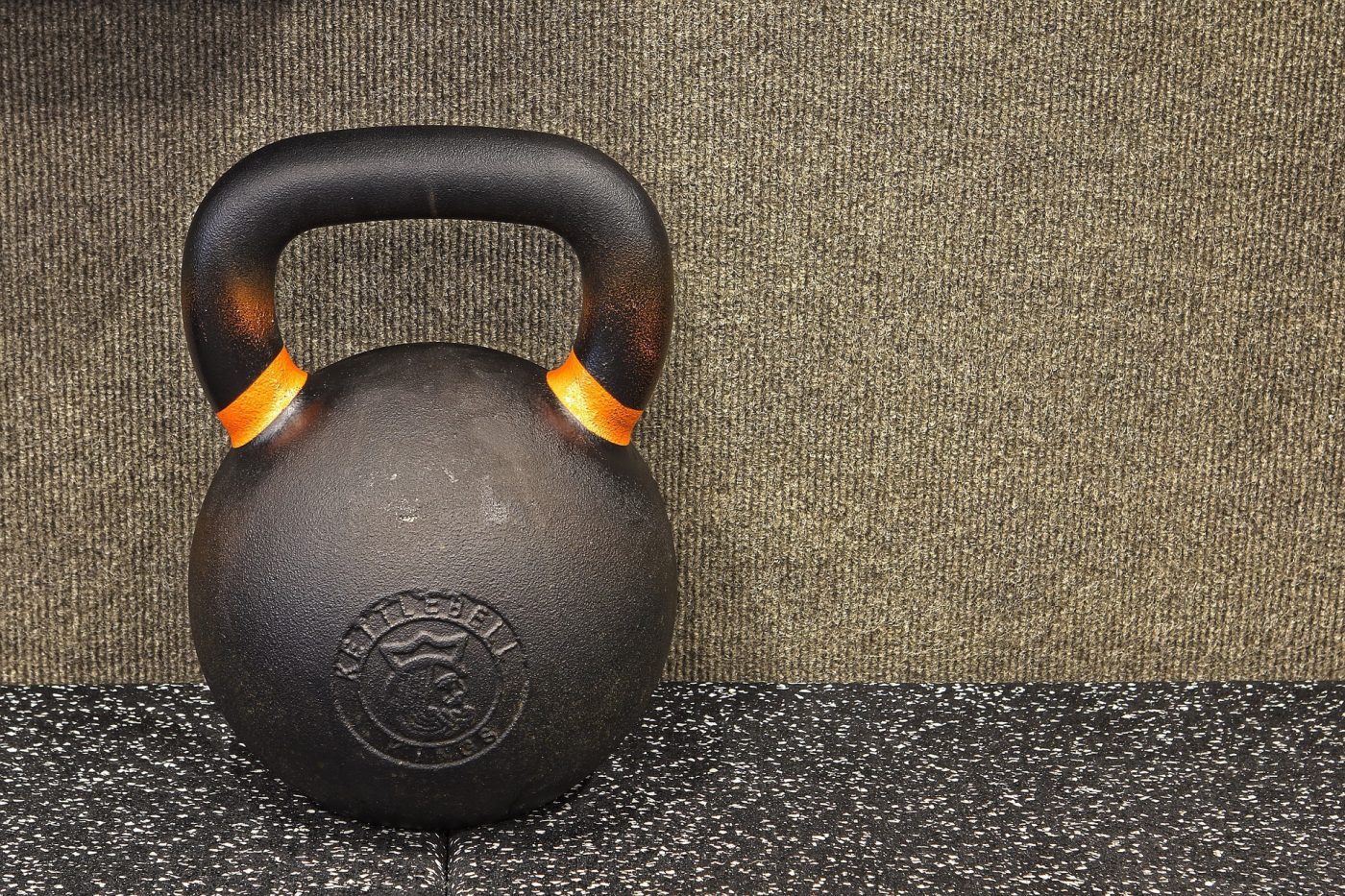
    7. Have fun. Remember to have a good time. If you love training with kettlebells then use them. If you enjoy watching nature shows while you’re running on the treadmill or listening to your favourite albums set up your screen or hook up your headphones and get started. You’ll be more likely to stick to your workout program.

    8. Use good form. Protect yourself from injuries by doing exercises properly. If you’re a beginner, you may want to take a class or work with a trainer to receive the instructions you need.

    9. Rest up. Giving your body adequate time to recover will also help you to stay safe and strong. If you have no signs of overtraining like fatigue or persistent muscle soreness, you may prefer active rest like going for a gentle walk on your days off.

    10. Talk to your doctor. Discuss any individual concerns with your physician. That’s especially important if you’ve been sedentary or you’re trying to manage a chronic condition.

    It is possible to enjoy the comforts of home while you maximise your workouts. A well-planned space and a balanced exercise program will help you to shape up faster than you expected.

    CINDERELLA SOLUTION REVIEW

    Disclaimer: I may be compensated as an affiliate for any products bought through links on this page. This will not cost you any more but it will help me offset my website costs. Thank you.

  • 3 Ways To Avoid Overeating At Meals

    3 Ways To Avoid Overeating At Meals

    I’ve never considered myself a big eater. But sometimes I do find myself needing to avoid overeating at meals.

    On special occasions, particularly around the holidays, I simply love to feast.

    And it’s not just the abundance of delicious food but also the people, the decorations and the ambience, all combining to make it a real event, and a pleasure to dig in.

    It is way too easy (and common) to indulge on those days.

    But it doesn’t always stop there.

    Sometimes we overeat on the weekend just because it’s Saturday night. Then it can happen on regular days. Or at regular meals. Or All. The. Time.

    Here are three tips to avoid overeating at meals

    Tip #1: Start with some water 

    When your stomach is growling and you smell amazingly delicious food it’s all too easy to grab a few samples or fill a plate and dive into the food.

    But did you know that it’s possible to sometimes confuse the feeling of thirst with that of hunger? Your stomach may actually be craving a big glass of water rather than a feast.

    Some studies have shown that drinking a glass or two of water before a meal can help reduce the amount of food eaten. And this super-simple tip may even help with weight loss (…just sayin’).

    Not only will the water start to fill up your stomach before you get to the buffet, leaving less room for the feast but drinking enough water has been shown to slightly increase your metabolism.

    Win-win!

    Tip #2: Try eating “mindfully”

    You’ve heard of mindfulness but have you applied that to your eating habits?

    This can totally help you avoid overeating as well as having the added bonus of helping your digestion.

    Just as being mindful when you meditate helps to focus your attention on your breathing and the present moment, being mindful when you eat helps to focus your attention on your meal.

    Do this by taking smaller bites, eating more slowly, chewing more thoroughly and savouring every mouthful. Notice and appreciate the smell, taste and texture. Pause between forkfuls. And breathe.

    This can help prevent overeating because eating slower often means eating less. 

    When you eat quickly you can easily overeat because it takes about 20 minutes for your brain to recognise that your stomach is full.

    So take your time, pay attention to your food and enjoy every bite.

    Bonus points: Eat at a table (not in front of the screen), eat off a small plate and put your fork down between bites.

    Tip #3: Start with the salad

    You may be yearning for that rich, creamy main dish.

    But don’t start there.

    (Don’t worry, you can have some…just after you’ve eaten your salad).

    Veggies are a great way to start any meal because they’re full of not only vitamins, minerals, antioxidants and health-promoting phytochemicals, but they also have some secret satiety weapons: fibre and water.

    Fibre and water are known to help fill you up and make you feel fuller. They’re “satiating”.

    And these secret weapons are great to have on your side when you’re about to indulge in a large meal.

    Summary:

    Have your glass of water, eat mindfully and start with your salad to help avoid overeating at meals.

    Turn these into habits and do away with the need for willpower!

    Recipe (Water): Tasty (and beautiful) Pre-Meal Water Ideas

    If you’re not much of a plain water drinker or need your water to be more appealing to your senses here are five delicious (and beautiful looking) fruit combos to add to your large glass of water:

    • Slices of lemon & ginger
    • Slices of strawberries & orange
    • Slices of apple & a cinnamon stick
    • Chopped pineapple & mango
    • Blueberries & raspberries

    Tip: You can buy a bag (or several bags) of frozen chopped fruit and throw those into your cup, thermos, or uber-cool mason jar in the morning.  They’re already washed and cut and will help keep your water colder longer.

    CINDERELLA SOLUTION REVIEW

    Disclaimer: I may be compensated as an affiliate for any products bought through links on this page. This will not cost you any more but it will help me offset my website costs. Thank you.

  • The Truth About Eating A Diverse Diet

    The Truth About Eating A Diverse Diet

    We all know we should be eating a diverse diet, right? The more access we have to different foods the more variety of nutrients we feed our bodies. And better-fed bodies are healthier. Nutritionists have been telling us this for years.

    More diversity=>More food=>More Nutrients=>More healthy

    Throughout history, it made sense to try to eat a lot of different foods because malnutrition was widespread. During scarce times we would have been grateful for anything we could eat. And for many, a diverse and varied diet would likely have been unheard of.

    Today, we have unlimited access to unlimited quantities of food. And while we should be thankful for the times we live in many of us are now suffering the opposite problem. Most adults are consuming too much food, including both healthy and unhealthy choices.

    And the more variety we have the more we risk being unaware of the calorie and nutrient content of the choices we make.

    More diversity==>More food==>More calories==>More weight

    What’s the truth about eating a diverse diet?

    We need to become a lot more aware of the nutritional value of our food, and of what our bodies need. A diverse diet is recommended to ensure we get a good balance of all the nutrients we need. Not just the macronutrients (protein, fat and carbohydrate), but the micronutrients, vitamins, minerals, fibre and pure water we need.

    Think about what you’re putting in your mouth. I honestly don’t believe most people ever consider the value of the food they consume.

    Feel hungry? Eat!

    But we’ve all been truly shafted by the system. While the food industry has brought us more and more hyper palatable, high calorie, low nutrient foods, none of us have been told how to deal with this. How to balance these less healthy “sometimes” foods with the better “most times” foods.

    “Eat food, exercise a bit, watch your calories and you’ll be fine.”

    It’s not working. We need to step back and think again. Are we eating enough fresh fruit and vegetables? Lean meats, fish, eggs, nuts, beans and healthy fats? The things our body actually needs.

    If we’re looking for simple strategies for healthier eating, we might need to consider switching to a less diverse diet. But including just enough of the whole, natural foods we need to keep us nourished.

    Some of the benefits of eating fewer foods include:

    • Save time. In addition to the health benefits, think about the time you’ll save. Grocery shopping and cooking will be quicker when you’re following a familiar routine.
    • Save money. Shopping for fewer foods means you can purchase in bulk to get the best deals without blowing your budget.
    • Maintain weight loss. Many adults gain back all the weight they lose and more. Eating fewer foods is a long-term strategy that can help you stay slim, though portion control is, of course, still important.

    Try these ideas to eat fewer foods:

    • Find recipes you love. Having a few great recipes in your arsenal means you can always eat food you enjoy whilst sticking to a few healthy, nutritious ingredients.
    • Find other outlets. Free yourself from emotional eating by finding more constructive ways to manage stress, socialise and entertain yourself. Call a friend or take a walk instead of using sweets or crisps to deal with your feelings.
    • Avoid buffets. You’ve probably noticed that having plenty of options can tempt you into eating more. Be especially vigilant with holiday dinners and all-you-can-eat parties and barbecues.
    • Sleep well. Being sleepy also contributes to overeating. Getting eight hours of sleep each night will help you stay on track with your new habits.
    • Drink water. Our bodies sometimes confuse thirst with hunger, so remaining hydrated will boost your willpower too. Drink water or green tea before, during and after meals.
    • Be flexible. At the same time, a diet that is too restrictive can backfire. Leave room for an occasional treat

    Eating Higher Quality Food

    When nutritionists talk about diversity, they usually mean eating red vegetables as well as green ones. Oily fish as well as white fish. And a range of seasonal fruit. And certainly we need good variety in our food to ensure we get all the nutrients we need.

    Unfortunately, the public is more likely to be thinking about adding junk food and desserts on top of their sensible meals and snacks. Adding more unhealthy, processed food because we’re bored of our meal plan is not the kind of variety we need!

    Remember that the quality of your diet is just as important as the number of calories.

    Try these tips for eating a diverse diet the healthy way:

    • Eat more produce. Aim for at least 6 servings of fruits and vegetables each day. Most are lower in calories and high in vitamins and fiber.
    • Choose whole grains. Get most of your starchy carbohydrate calories from whole grains and tubers. Good choices include sweet potato, brown rice, rolled oats and sprouted or whole grain bread.
    • Evaluate proteins and fats. Some proteins and fats are superior to others. Replace hamburgers and fried chicken with leaner sources like beans and fish. Cut back on saturated fat with leaner animal proteins and use olive oil and nuts for flavour.
    • Limit empty calories. Keep processed food and refined carbohydrates to a minimum. That includes beverages, too, like soft drinks and any kind of alcohol. As a bonus, you’ll also be eliminating the main sources of excess sugar and salt.
    • Balance your nutrients. Design each meal and snack to include a mix of proteins, fats and carbohydrates. Energise in the mid afternoon with a handful of almonds and baby carrots. Enjoy a green salad tossed with salmon and yogurt dressing for dinner.

    Eating a more uniform diet can help you to manage your weight and reduce your risk for many chronic conditions. Find some healthy foods you love and plan your meals and snacks around them.

    And remember, eating more crap is not adding diversity to your diet. It’s eating more crap!

    CINDERELLA SOLUTION REVIEW

    Disclaimer: I may be compensated as an affiliate for any products bought through links on this page. This will not cost you any more but it will help me offset my website costs. Thank you.

  • What Is Your Metabolism?

    What Is Your Metabolism?

    It’s a word we hear a lot these days, especially when we talk about weight loss, but what is your metabolism?

    Well technically “metabolism” is the word to describe all of the biochemical reactions in your body. It’s how you take in nutrients and oxygen and use them to fuel everything you do.

    Your body has an incredible ability to grow, heal and generally stay alive.  And without this amazing biochemistry you would not be possible.

    You know that if yours is too slow you might gain weight.  But what exactly does this all mean?

    Metabolism includes how the cells in your body:

    • Produce energy for activities you can control (e.g. physical activity etc.)
    • Allow activities you can’t control (e.g. heart beat, wound healing, processing of nutrients & toxins etc.)
    • Allow storage of excess energy for later.

    So when you put all of this together into your metabolism you can imagine that some or all of these many processes may or may not work too quickly, too slowly or just right.

    Which brings us to the “metabolic rate”. 

    Metabolic rate

    This is how fast your metabolism works and is measured in calories (yup, those calories!).

    The calories you eat can go to one of three places:

    • Work (i.e. exercise and other activity).
    • Heat (i.e. from all those biochemical reactions).
    • Storage (i.e. extra leftover “unburned” calories stored as fat).

    Therefore the more calories you burn as work or creating heat the easier it is to lose weight and keep it off because there will be fewer “leftover” calories to store for later.

    There are a couple of different ways to measure metabolic rate.  One is the “resting metabolic rate” (RMR) which is how much energy your body uses when you’re not being physically active.

    The other is the “total daily energy expenditure” (TDEE) which measures both the resting metabolic rate as well as the energy used for “work” (e.g. exercise) throughout a 24-hour period.

    What affects your metabolism?

    In a nutshell: a lot!

    The first thing we often hear about is your thyroid.  This gland at the front of your throat releases hormones to tell your body to “speed up” your metabolism.  Of course, the more thyroid hormone there is the faster things will work and the more calories you’ll burn.

    But that’s not the only thing that affects your metabolic rate.

    How big you are counts too! 

    Larger people often say they have a slow metabolism, but in fact they usually have higher metabolic rates as there is more work for the body to do to keep it functioning.

    And your body composition is crucial! 

    As you would expect, muscles that actively move and do work need more energy than fat does. So the more lean muscle mass you have the more energy your body will burn and the higher your metabolic rate will be.  Even when you’re not working out.

    This is exactly why weight training is often recommended as a part of a weight loss program.  Because you want muscles to be burning those calories for you. 

    The thing is, when people lose weight their metabolic rate often slows down which you don’t want to happen.  So you definitely want to offset that with more muscle mass.

    Aerobic exercise temporarily increases your metabolic rate.  Your muscles are burning fuel to move so they’re doing “work”.

    The thermic effect of food

    Your body actually burns calories to absorb, digest and metabolise your food.  This is called the “thermic effect of food” (TEF).

    You can use it to your advantage when you understand how your body metabolises foods differently. 

    THERMIC EFFECT OF FOOD

    Macron​​​​u​​​​trient​

    % of Calorie​​​​s Used For Processing

    FATS

    0 – 3%

    CARBOHYDRATES

    5 – 10%

    PROTEIN

    15 – 30%

    Fats, for example increase your TEF by 0-3%; carbs increase it by 5-10%, and protein increases it by 15-30%.  By trading some of your fat or carbs for lean protein you can slightly increase your metabolic rate.

    Another bonus of protein is that your muscles need it to grow.  By working them out and feeding them what they need they will help you to lose weight and keep it off.

    And don’t forget the mind-body connection.  There is plenty of research that shows the influence that things like stress and sleep have on the metabolic rate.

    This is just the tip of the iceberg when it comes to metabolism and how so many different things can work to increase (or decrease) your metabolic rate.


    CINDERELLA SOLUTION REVIEW

    Disclaimer: I may be compensated as an affiliate for any products bought through links on this page. This will not cost you any more but it will help me offset my website costs. Thank you.

  • 20 Easy Ways to Lose a Pound a Week

    20 Easy Ways to Lose a Pound a Week

    With all the diets floating around that claim to result in losing 20+ pounds in a month, to lose a pound a week might not sound worthwhile. But consider that 1 pound per week is over 50 pounds per year. How would you look and feel if you had started a year ago?

    How To Lose A Pound A Week

    Try to perform just a few of these ideas each day:

    1. 1
      Skip lunch and go for a walk. There’s a common misconception that eating 5 or more meals per day speeds up your metabolism and improves weight loss. But research has shown that increased feeding frequency has very little effect on body composition. But taking a 20-30 minute daily walk has numerous health benefits including, of course, burning more calories.
    2. 2
      Perform 1 hour of housework. Not only will you lose weight, but the house will be cleaner too.
    3. 3
      Reduce each meal by 25%. If you’re eating out, get a doggie bag. The best exercise for losing weight is pushing yourself away from the table. Avoid being wasteful. Take smaller portions, eat slowly and avoid going back for seconds.
    4. 4
      Drink regular coffee instead of a latte. If you can’t give up your morning latte, go with skimmed milk and a non-caloric sweetener.
    5. 5
      Avoid drinking any calories. It’s much easier to drink calories than it is to eat them. Drinking a bottle of Coke or a glass of fruit juice can easily add 150-200 calories to your meal.
    6. 6
      Replace red meat with fish or chicken. This assumes you’re not adding a high-calorie sauce.
    7. 7
      Replace rice and potatoes with vegetables. Rice and potatoes aren’t unhealthy. We don’t believe in demonising any whole, natural foods, but most vegetables have a lower caloric density, so to lose a pound a week fill up on veggies!
    8. 8
      Work in the garden for an hour. You’ll have the best looking garden in the neighbourhood, and your pants will fit better.
    9. 9
      Skip the elevator and use the stairs. If you work on the 47th floor, you might climb the stairs to the 5th floor and take the lift the rest of the way.
    10. 10
      Drop all processed foods. If you limit yourself to foods that at one time flew, swam, ran, grew in the ground, or on a tree or plant, it’s hard to be overweight. Man made carbohydrates like bread, pasta, crackers and sweets can really add a lot of calories.
    11. 11
      Eat a salad before eating your meal. Eating a large salad with low-calorie dressing can fill you up before you get carried away with the rest of your meal.
    12. 12
      Drink more water. Drinking a glass of water before a meal has been shown to reduce the total amount of food eaten during the meal.
    13. 13
      Get up and move around for 5 minutes each hour. Studies have shown that you’ll actually get more work done if you take a short break each hour. Take a short walk or pick up a dumbbell.
    14. 14
      Do something else for 15 minutes. When you first get the urge to eat, find something else to do for 15 minutes. You might be surprised how much time goes by before you remember you were hungry.
    15. 15
      Take a picture of yourself. For some reason that violates the laws of the universe, we all look better in the mirror than we do in a photograph. Take a full-body picture and take a look.
    16. 16
      Stand up. More offices are moving to standing desks. It’s much healthier, better for your posture and burns more calories. You could even try standing at home while watching television.
    17. 17
      Replace a bad food with a good food. Once each day, replace one food you’re about to eat with a healthier option.
    18. 18
      Avoid eating while watching TV. According to scientists, people eat significantly more when watching TV then when sitting at the dinner table without distraction.
    19. 19
      Sleep for a full 7-8 hours. Those that sleep less tend to eat more.
    20. 20
      Check the serving size. You might be surprised how small a serving is for certain foods. Limit yourself to a single serving.

    So there you have it. Twenty easy ways to lose a pound a week. Simple lifestyle tips to help reduce portion sizes, improve your eating and move a bit more.

    Losing a pound per week can be easy and painless. By utilising a few of these tips each day, you could find yourself 50 pounds lighter by this time next year. Summer is coming!

    CINDERELLA SOLUTION REVIEW

    Disclaimer: I may be compensated as an affiliate for any products bought through links on this page. This will not cost you any more but it will help me offset my website costs. Thank you.
>