Category: Nutrition

  • 12 Surprising Reasons Why You Overeat

    12 Surprising Reasons Why You Overeat

    Overeating can have many causes, but they all produce the same result. You gain weight and feel like you’re out of control.

    While you may be blaming yourself for lacking willpower or not trying hard enough, there could be something else at work. The real reasons why you overeat and end up putting on weight may surprise you—and many of them are relatively easy to fix.

    There are many common lifestyle habits that tend to undermine a healthy diet. Take a look at this list to find out which things you’ll want to do differently.

    Dealing with Eating Habits That Make You Overindulge:

    1. 1
      Be flexible. You may think you’re being virtuous for starting a super-strict diet but being too rigid can backfire. Allowing yourself a few treats can keep you from feeling so deprived that you wind up eating the whole pizza (plus cheesecake).
    2. 2
      Shrink your menu. On the other hand, planning your meals and snacks around a limited number of healthy foods can help you eat less. The lack of variety dampens your appetite.
    3. 3
      Eat mindfully. A lot of overeating happens when you’re busy with something else. Sit down and pay attention to your food instead of watching TV. Beware of nibbling while you’re preparing meals or lingering at the table after dinner.
    4. 4
      Slow down. A leisurely pace gives your brain time to tell your stomach that you’re full. Chew thoroughly and pause between bites.
    5. 5
      Listen to cravings. Intense urges are usually trying to tell you something important. Eating light snacks can keep you from getting so hungry that you long for junk food. 
    6. 6
      Beware of low-fat foods. Did you know that low-fat foods are often only about 10% lower in calories? Plus, they’re often higher in sugar and sodium, which can make you want to eat more.
    7. 7
      Limit artificial sweeteners. Sweetness is one of the signs your brain uses to try to determine how much to eat based on how many calories a food has. Artificial sweeteners make those calculations difficult. Over time, your brain loses the ability to make correct judgements.
    8. 8
      Don’t forget your water. It’s one we talk about again and again, but feelings of thirst are often mistaken for hunger. It’s all too easy to grab something to eat when all we needed was a glass of water.

    Dealing with Other Lifestyle Habits That Make You Overindulge:

    1. 1
      Sleep well. A lack of sleep can make you want to eat more and make it difficult for your body to digest food efficiently. Go to bed early on a consistent basis so you can get at least 7 hours of sleep each night.
    2. 2
      Socialise wisely. We tend to eat more when we have company. Be especially vigilant when you’re enjoying holiday dinners and office parties. Try to find a lunch mate who eats healthy, so you can support each other.
    3. 3
      Exercise more. Physical activity burns calories and helps to fight depression and anxiety, which can lead to overeating. Aim to work out at least 30 minutes a day 3 times a week.
    4. 4
      Deal with your feelings. While it’s natural to associate food with celebrations and comfort, it’s important to have other ways of managing your emotions. Call a friend or write in your journal.

    Talk with your doctor. A slice of cake rarely does much harm, but sometimes there are deeper issues at work. If you binge frequently or feel guilty and ashamed about your eating, talk with your doctor. Effective treatments are available.

    Understanding the reason why you overindulge is the first step in finding solutions that enable you to stick to a balanced diet and maintain a healthy weight. Use these tips to take control of your eating, so you can stay fit and enjoy your food more.

    Disclaimer: I may be compensated as an affiliate for any products bought through links on this page. This will not cost you any more but it will help me offset my website costs. Thank you.

  • Top 5 Weight Loss Hydration Tips

    Top 5 Weight Loss Hydration Tips

    When it comes to losing weight, hydration is an area that gets very little attention. However, many of the beverages people drink are what actually prevent them from achieving their fat loss goals. That’s why in this article I’m going to be looking at the effect of hydration on weight loss and providing you with five of the best weight loss hydration tips.

    Tip 1 – Drink At Least 8 Glasses Of Water Per Day

    If you become dehydrated, your metabolism slows down and this reduces the total amount of calories you burn each day. Therefore, if you want to avoid dehydration and maintain an optimal metabolic rate, you need to be drinking at least eight glasses of water on a daily basis.

    Eight glasses may seem like a lot if you’re not used to drinking this amount of water but it’s very manageable.

    If you drink a glass of water in the morning when you wake up, a glass of water in the evening and a glass of water with each meal, you’re already over half way there. Then if you drink a few cups of coffee or tea during the day in addition to these five glasses of water, you’ll easily pass the eight glass mark.

    Tip 2 – Avoid Soda

    Sodas are loaded with sugar and an extra-large cup often contains more calories than a meal. Despite this, many people who are trying to lose weight knock back large amounts of soda each day and then wonder why their healthy meals and exercise routine aren’t having the desired effect.

    So if you’re struggling to lose weight but drinking soda on a daily basis, swap it for water, coffee or tea. Doing this will cut hundreds or even thousands of calories from your daily intake and have a significant effect on your overall weight loss.

    Tip 3 – Avoid ‘Diet’ & ‘Sugar Free’ Drinks

    Another mistake a lot of people make when trying to lose weight is swapping regular soda for ‘diet’ or ‘sugar free’ alternatives. While these drinks do contain little or no calories, they’re still not a good choice if you want to drop the pounds because they’re loaded with artificial ingredients and chemicals which mess with your gut and slow down your body’s fat burning processes.

    Therefore, to make sure you’re burning the maximum amount of fat possible, ditch the ‘diet and ‘sugar free’ drinks and drink water, coffee or tea instead.

    Tip 4 – Limit Your Consumption Of Fruit Juice

    Fruit juice contains natural sugars and so is a healthier choice than the two types of drinks listed above. However, it’s still relatively rich in calories with most fruit juices containing over 100 calories per cup.

    So if you’re serious about losing weight, you need to be limiting your consumption of fruit juice to no more than a couple of glasses each week.

    Tip 5 – Enjoy Caffeinated Beverages In Moderation

    Hot caffeinated beverages such as coffee, black tea and green tea are a fantastic alternative to water which contain zero calories along with plenty of health boosting nutrients. However, caffeine is a diuretic and drinking too much will cause you to become dehydrated which then slows down your metabolism.

    Make sure you’re drinking no more than four hot caffeinated beverages each day to maintain your metabolism.

    Summary

    By following the weight loss hydration tips above, you’ll not only reduce your intake of liquid calories but you’ll also put your body in an optimal fat burning state. When combined with a solid diet and exercise routine, this will allow you to blast through body fat and achieve your weight loss goals with ease.

    Disclaimer: I may be compensated as an affiliate for any products bought through links on this page. This will not cost you any more but it will help me offset my website costs. Thank you.

  • How to Resist Food Temptation When Losing Weight

    How to Resist Food Temptation When Losing Weight

    You may be doing well on your weight loss program, doing all the required exercises, watching your diet and feeling great, when suddenly a temptation stares at you right in the face – a delicious doughnut, some oh-so-sweet cake, or even some ice-cream with beautiful toppings and sprinkles.

    As human beings, ignoring such temptations is often not easy. It requires willpower and a strong resolve, and even then, it may not be enough. 

    Want to know how to resist food temptation when losing weight?

    Here are some ways to help you battle and win against the cravings:

    Minimise the intensity of the craving

    Cravings are usually strong only because we give them that power in our mind. You might see a doughnut with cream and sprinkles and, in your mind, you keep on repeating to yourself how much you want it but cannot have it.

    We all know that when you are unable to have something, you end up wanting it more.

    Instead of seeing the doughnut, or whichever other cravings you have, as something sweet, minimise the intensity of wanting it by seeing it for what it is. 

    “It’s nothing more than flour, sugar and fat, which is not helpful at all to my body. It will slow down my progress. Do I really want to do that to myself?” 

    This approach works as it will reduce the intensity of the craving once you see the real damage it will do to your weight loss program.

    Look at your long-term goals in your weight loss journey

    It’s easy to control your temptation by reminding yourself of your long-term goals, and how the temptation will set you back.

    Do you want to shed some pounds and be healthier?

    Do you want to fit into that beautiful dress that is currently a couple of sizes too small? 

    Do you want to feel much better about your body?

    Once you do that, consider the effects of the temptation on those goals. Is giving in worth slowing your progress, and setting you back?

    Once you look at the temptation in terms of what you have to lose, it’s much easier to reign in the craving and not give in to it.

    Do not do your grocery shopping when hungry

    When you shop for food or groceries when hungry, everything usually appears delicious since your body and mind are craving food. You may end up making poor decisions due to the hunger and unconsciously pick foods that are not healthy for you.

    If you eat something before you go to the store, it’s much easier to pick healthy food options, since junk food and less wholesome food won’t be as appealing as they would be if you were hungry.

    Do not surround yourself with temptation

    You may think that you are strong enough to resist that tub of ice-cream in your fridge or the jar of cookies on your office desk. You may resist for a while, but at some point, you will find yourself giving in to one bite or one scoop, which ends up in you eating the whole jar.

    Clear your cupboards of any unhealthy foods, and ensure that there is no junk food that you shouldn’t be eating. This way, you won’t be tempted to snack on anything unhealthy in between meals.

    Carry fruits and any other healthy snacks to the office, to reduce any temptation of dipping into the cookie jar or going to the vending machine for a snack.

    Substitute your cravings with healthier options

     Substituting your cravings with healthier food options leaves you full and satisfied, without having to consume any unhealthy food. If you are craving salted foods such as chips or crisps, opt for celery juice or raw tomatoes. 

    If you have sugar cravings and are tempted to take sweets or candy, eat a mix of dried fruit with a few chocolate chips. Ensure that the chocolate chips are made from dark chocolate, as it has a lower sugar content than normal chocolate, and is high in healthy antioxidants.

    If you want to know how to resist food temptation there’s no magic solution. Avoiding temptations when losing weight is not easy, but if you put in lots of effort and think about your goals, it will get easier with time.

    Disclaimer: I may be compensated as an affiliate for any products bought through links on this page. This will not cost you any more but it will help me offset my website costs. Thank you.

  • Does An Apple A Day Keep the Doctor Away?

    Does An Apple A Day Keep the Doctor Away?

    Does an apple a day really keep the doctor away?

    Some believe that apples are the king of all fruits. It dates back to the dawn of time, when it featured prominently in the story of the Garden of Eden. Apples are believed to date back as far as 8000 years ago and are believed to originally come from the Middle East. 

    You can find apples in the supermarket all year round and they are known to be extremely healthy for you. Not only is it a good food to eat, in some populations it has been used for healing. No longer a folk remedy, the apple has been found in modern times to promote health in many ways.

    History of Apples

    This is one of the oldest fruits known to man. Research has found evidence that apples have been in existence from earlier than 6500 BC. The apple was on the list of favorite foods to eat by the Ancient Romans and the Ancient Greeks.

    Back in Nordic traditions, the apple was believed to be magical, allowing for people to live eternally. Apples have come far from being “magical” but they still have health benefits we can enjoy today.

    Nutrition Facts for Apples

    • Apples are an excellent source of fiber—both insoluble fiber and soluble fiber 
    • They are rich in vitamin C (as is true of almost all fruits)
    • They contain potassium, which is well known for its health benefits to the heart. 
    • You can find a wide variety of B complex vitamins in apples, including vitamin B6, thiamin, and riboflavin
    • Apples contain phytochemicals, specifically polyphenols. Polyphenols include plordizin, anthocyanins, catechins, chlorogenic acid, and flavonols, particularly quercetin (a flavonols), myricetin, and kaempferol (also flavonols)
    • Apples are also high in niacin, folates, vitamin C, Vitamin K, Vitamin E, Vitamin A, thiamin, riboflavin, pyridoxine, pantothenic acid, niacin, and folates, containing between 1 and 8 percent of the recommended daily value for these healthful vitamins.
    • Other nutrients found in apples include Magnesium, iron, calcium, zinc, and phosphorus
    • The phytonutrients in apples include lutein-zeaxanthin, crypto-xanthin-beta, and carotene-beta. These phytonutrients have been researched as nutrients your body needs for heart health and for use as anti-oxidants
    • They contain no cholesterol
    • They are  excellent sources of fiber at 11 percent of the recommended daily value
    • The catechins in apples include epicatechin, which is especially good for heart health
    • Apples are also high in anti-oxidants, which scavenge for oxygen free radicals that damage DNA and can ultimately cause cancer 
    • Apples are also known to optimize growth, provide healthy wellbeing, and improve developmental processes in children

    The Skin

    While the whole apple is considered good for you, most of the nutrients you’ll find in apples are found in the green, yellow, or red skins of apples. This means that, if you want to make apples as healthy as possible for you, you need to keep the skins on and eat them whole.

    Low Calorie And No Fat 

    Apples have less sugar than other fruit and only around 50 calories per fruit. There is virtually no fat in apples.

    Health Benefits of An Apple a Day

    • Apples are often referred to as “nutritional powerhouses” because of the wide variety of nutrients contained in just one apple.
    • Apples are high in antioxidants that lessen the risk of several types of cancer and contain insoluble fiber, which bulk up the stools, preventing colon cancer. 
    • The vitamins you’ll find in apples help maintain the health of both the nervous system and your red blood cells.
    • Apples are good for weight control, whitening your teeth, lowering cholesterol, heart health, and protection against cancer. 
    • The soluble fiber found in apples help to reduce the body’s cholesterol levels.
    • They also lessen the risk of Alzheimer’s disease and Parkinson’s disease—both neurodegenerative diseases. 
    • The anti-oxidants in apples help to protect nerve cells by reducing the amount of oxygen free radicals found in these important cells. 
    • Just one apple a day lessens the chance of developing skin diseases, liver problems, and digestive illnesses. 
    • Apple cider vinegar reduces the risk of kidney stones. 

    Other healthy benefits for apples include the treatment of halitosis, neuritis, insomnia, anemia, tuberculosis, gonorrhea, asthma, gallstones, obesity, and arthritis.

    They boost the immune system, which is the whole basis of the saying “an apple a day keeps the doctor away.”

    Will it work for you? There’s no guarantee that an apple a day will ensure you never see the doctor again, but with a ridiculous list of health benefits like this it’s worth a try!

    Disclaimer: I may be compensated as an affiliate for any products bought through links on this page. This will not cost you any more but it will help me offset my website costs. Thank you.

  • Top 5 Weight Loss Diet Tips

    Top 5 Weight Loss Diet Tips

    If you’re trying to lose weight, a healthy, calorie controlled diet needs to be the foundation. However, many people don’t take this into account when attempting to drop the pounds and as a result, their fat loss efforts suffer. That’s why in this article I’m going to be sharing with you five of the best weight loss diet tips.

    Tip 1 – Be Aware Of Your Total Calorie Consumption

    While the quality of the calories you eat is very important when trying to lose weight, the amount of calories you consume will ultimately determine your fat loss success. Even if all your calories are coming from healthy and natural foods, if you eat too much, you’ll struggle to lose weight.

    Therefore, make sure you have a general awareness of the total number of calories you’re consuming and if you struggle to drop the pounds over an extended period of time, consider reducing your total caloric intake.

    Tip 2 – Choose Natural, Unprocessed Foods

    Natural, unprocessed foods are generally low in calories, or at least have good nutritional value—they’re a fantastic source of vitamins, minerals and phytonutrients. Not only do these nutrients help your body perform many essential functions but they also put it in an optimal fat burning state. 

    Processed foods are generally high in calories and contain a fraction of the nutrients that can be found in natural, unprocessed foods. This means by choosing natural, unprocessed foods over processed foods, you consume less calories overall and burn more body fat as a result of the additional nutrients.

    Tip 3 – Learn To Cook

    If you want to get the maximum flavour out of natural, unprocessed foods and truly enjoy your meals, then you need to learn to cook. This may seem daunting at first if you’re used to living off processed foods that require minimal preparation.

    However, once you get started with some simple recipes, you’ll quickly pick it up and be enjoying a wide range of healthy, low calorie meals in no time at all. The more you enjoy these meals, the more likely you are to keep eating them which prevents you from falling back into bad habits and bingeing on unhealthy foods.

    Tip 4 – Fill Up On Vegetables

    Making the switch from processed foods to natural, unprocessed foods will give your weight loss efforts a huge boost. However, if you want to take it a step further, adding multiple servings of vegetables to every meal is a great way burn even more body fat.

    Most vegetables contain less than 50 calories per serving and have a very high concentration of vitamins, minerals and phytonutrients. However, despite their low calorie content, vegetables are surprisingly filling and do a great job of satisfying your appetite. This makes them a great fat burning food and the more you eat them, the more weight you’ll lose.

    Tip 5 – Allow Yourself Occasional Cheat Meals

    Losing weight does require a certain level of discipline when it comes to your diet. However, being too strict with what you eat and making certain foods forbidden rarely works and often leads to strong cravings followed by large, unhealthy binges.

    Therefore, to avoid binge eating and make your weight loss diet manageable in the long term, you should enjoy cheat meals in moderation. These cheat meals can include any foods you like and the only rule is that you consume them 20% of the time and stick to healthy, natural, unprocessed foods the remaining 80% of the time.

    Doing this provides you with a buffer to eat any foods you desire but also ensures that most of the time, you’re eating foods that promote fat loss.

    Summary

    By making these simple but effective dietary changes, you’ll notice a huge difference and your excess body fat will start to melt away. So if you’ve been struggling with weight loss for a while, make sure you implement these weight loss diet tips to get the figure you’ve always desired.

    CINDERELLA SOLUTION REVIEW

    Disclaimer: I may be compensated as an affiliate for any products bought through links on this page. This will not cost you any more but it will help me offset my website costs. Thank you.

  • Do You Have to Be a Vegetarian to Eat a Whole-Food Plant-Based Diet?

    Do You Have to Be a Vegetarian to Eat a Whole-Food Plant-Based Diet?

    Do you have to be a vegetarian, or even vegan, to follow a Whole-Food Plant-Based diet?

    While the name Whole-Food and Plant-Based (WFPB) would suggest this is the case, it couldn’t be further from the truth.

    Unlike many other diets, WFPB diets and nutritional patterns are fashioned around what they can/should include rather than what they must exclude.

    Vegans, for example, exclude meat and animal by-products from their diets. The Atkins diet lowers carbs.

    WFPB diets are marked by what they include, which are plant-based and whole foods. This implies that plant-based foods are preferable, and perhaps should be the main source of your diet, however, whole foods are the other part of that.

    Freshly caught salmon is a whole, nutrient-dense food, and so are eggs. Rather than focusing on the implication of a WFPB diet being that you must exclude meat and animal-based products, take a look at what you can include and decide for yourself.

    Different Diets Can be Whole-Food Plant-Based

    Pescatarianism, Vegetarianism, the Mediterranean diet and even the Ketogenic Lifestyle are all WFPB diets when done right. Now, before the Vegans and Vegetarians in the room start cringing over that last one, let’s clear something up.

    Not all Vegetarian, Mediterranean, Pescatarian, and Ketogenic eating patterns are necessarily WFPB either. Afterall, sodas and bags of deep-fried potato chips carry that vegetarian or vegan stamp. These highly processed foods also contain preservatives, additives and added sugars, so would fall short of the Whole-Food Plant-Based premise.

    What Is Whole-Food Plant-Based Eating?

    The point of a WFPB diet isn’t to avoid meat. Remember, this isn’t one of those exclusionary diets. The best place to start is to fill your already existing eating pattern with whole, nutrient-dense and plant-based foods. Avoid most refined and processed foods and make substitutions where appropriate. You can take it to a level that is comfortable and sustainable for you. This isn’t a checkbox.

    Strawberries are whole foods, they’re nutrient-dense, and they’re plant-based. However, you could also add chicken breasts which are whole nutrient-dense foods. You’re not looking to add or eat only foods which are whole foods AND plant-based.

    The WFPB concept is to add more healthy and nutritious foods to your diet. Yes, the words run together to imply a plant-based diet of whole foods, when, in fact, you’re looking for whole foods and plant-based foods. If a food item meets both qualifiers, then that’s great. 

    Is Whole-Food Plant-Based a High Carb Diet?

    One of the major myths running around about WFPB diets is that they’re too carb-heavy. This can be true, but this is also okay. Carbohydrates, especially complex carbs, aren’t necessarily the enemy. The things you want to avoid are the foods laden with simple sugars like sodas and sweets which will cause your blood sugar to skyrocket and then plummet. 

    This is the sort of thing which has been giving carbohydrates a bad name, but the fact is that your body needs carbs to burn as glucose. There’s nothing wrong with complex carbs. 

    Now that that’s said, a Ketogenic Lifestyle can be designed around a WFPB option. Most usually are. It’s just that these folks need to burn ketones rather than glucose, or want to, for whatever reason. There are plenty of plant-based options for dietary fat like avocados and olives which meet the Whole-Food requirement.

    Bottom Line

    The bottom line is that WFPB diets aren’t about which fuel you burn, or whether you eat meat or not. They’re about shoving as many types of foods into your available diet as possible so you can focus on eating nutritious, nutrient-dense, whole and plant-based foods rather than the highly processed foods most of us reach for more often than we should.

    T.V. dinners, chocolate bars and other processed foods contain way too many things we don’t need or really want.

    They taste great because they’re designed to. That’s doesn’t mean they’re good for you.

    So, don’t be misled by the Whole-Food Plant-Based name. Stick to healthy, natural, delicious, unprocessed food sources and you’re good to go.

    CINDERELLA SOLUTION REVIEW

    Disclaimer: I may be compensated as an affiliate for any products bought through links on this page. This will not cost you any more but it will help me offset my website costs. Thank you.
  • 3 Must Eat Breakfast Foods

    3 Must Eat Breakfast Foods

    Are you a breakfast lover like me? Do you have a shortlist of “go-to” breakfast recipes? Or do you sometimes wonder what is the best food for breakfast?

    Maybe you need a bit of inspiration to start eating breakfast again?

    Well, breakfast is no different to any other meal. You can eat what you want, but bear in mind that, like your other meals, some options are going to be better than others to fill you up, keep you satisfied and provide the nutrients you need for a healthy start to the day.

    Getting some protein at each meal can help with blood sugar management, metabolism and weight loss. This is because protein helps you feel fuller longer and uses up a bunch of calories to absorb and metabolise it. So I’m going to show you how to get the protein, as well as some veggies and healthy fats for your soon-to-be favourite new “go-to” breakfasts.

    Here are your 3 must eat breakfast foods:

    Must Eat Breakfast Food #1: Eggs

    Yes, eggs are the “quintessential” breakfast food. And for good reason!

    No, I’m not talking about processed egg whites in a carton. I mean actual whole “eggs”.

    Egg whites are mostly protein while the yolks are the real nutritional powerhouses. Those yolks contain vitamins, minerals, antioxidants and healthy fats.

    Eggs have been shown to help you feel full, keep you feeling fuller longer, and help to stabilise blood sugar and insulin.

    Not to mention how easy it is to boil a few eggs and keep them in the fridge for a “grab and go” breakfast when you’re running short on time.

    And…nope, the cholesterol in eggs is not associated with an increased risk of arterial or heart diseases.

    One thing to consider is to try to prevent cooking the yolks at too high a temperature because that can cause some of the cholesterol to become oxidised. It’s the oxidised cholesterol that’s heart unhealthy.

    Must Eat Breakfast Food #2: Nuts and/or Seeds

    Nuts and seeds contain protein, healthy fats, vitamins, minerals and fibre. Nuts and/or seeds would make a great contribution to breakfast.

    Don’t be fooled by “honeyed” nuts, sweetened nut/seed butters, or chia “cereals” with added sugars—you know I’m talking about the real, whole, unsweetened food here.

    Nuts and seeds are also the ultimate fast food if you’re running late in the mornings. Grab a small handful of almonds, walnuts or pumpkin seeds as you’re running out the door; you can nosh on them while you’re commuting.

    Not to mention how easy it is to add a spoonful of nut/seed butter into your morning breakfast smoothie.

    Hint: If you like a creamy latte in the mornings try making one with nut or seed butter. Just add your regular hot coffee and a tablespoon or two of a creamy nut or seed butter into your blender & blend until frothy. 

    Must Eat Breakfast Food #3: Veggies

    Yes, you already know you really should get protein at every meal including breakfast; but this also applies to veggies. You know I would be remiss to not recommend veggies at every meal, right?

    Veggies are powerhouses of vitamins, minerals, antioxidants, phytochemicals, fibre and water. You can’t go wrong adding them into every single meal of the day so if you don’t already you should definitely try them for breakfast!

    And no, you don’t need to have a salad or roasted veggies for breakfast if you don’t want to but you totally can! You wouldn’t be breaking any “official” breakfast rules ​and you won’t be arrested by the breakfast police!

    Adding some protein to leftover veggies is a great combination for any meal. Including breakfast.

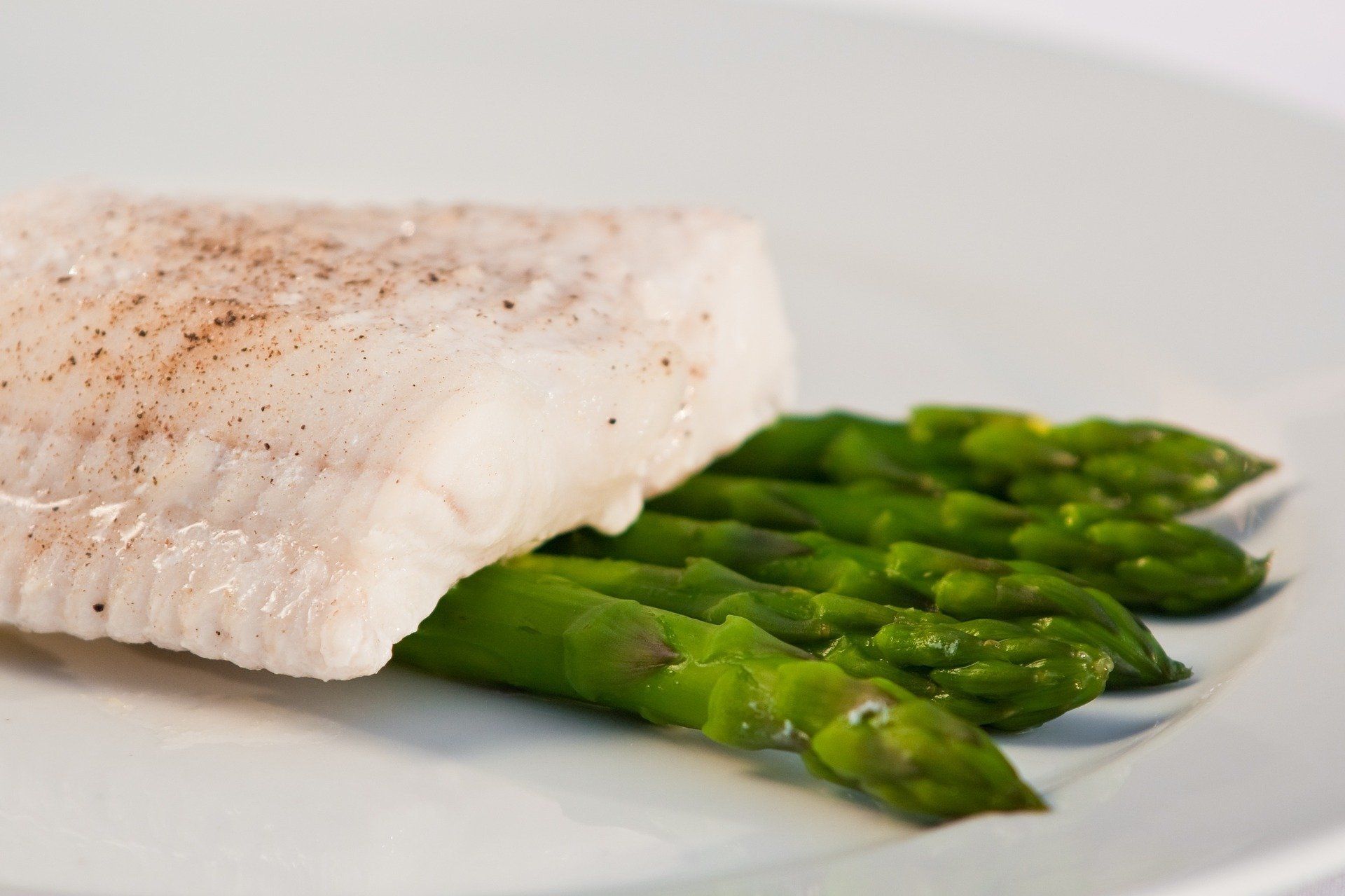
    My personal go-to breakfast menu would be a nice fluffy veggie omelette (3 eggs with chopped red onion, red peppers and spinach) topped with some chopped bacon or a tin of tuna. Yum!

    CINDERELLA SOLUTION REVIEW

    Disclaimer: I may be compensated as an affiliate for any products bought through links on this page. This will not cost you any more but it will help me offset my website costs. Thank you.
  • Getting Started – How to Eat More Whole Foods

    Getting Started – How to Eat More Whole Foods

    You know you should eat more whole foods and less of the processed stuff. You understand that sugar, salt, trans fats and other unhealthy additives find their way into many of the foods you eat. And you know that the first step towards a healthy body is a healthy diet.

    Maybe your doctor, nutrition coach or health-obsessed friend recommended eating more whole foods. Perhaps you have a pretty good idea of what they are talking about, but not a solid definition. Let’s clear that up right now.

    WebMD is a respected health and wellness site. They deliver valuable health knowledge, as well as support for those seeking to live a healthier life. They define whole foods as …

    “Foods that are as close to their natural form as possible.”

    They have dedicated a section of their website to covering everything you need to know about a Whole Foods Diet. In her book “Unhooked: A Holistic Approach to Ending Your Struggle with Food”, Registered Holistic Nutritionist (RHN) Laura Dawn defines whole foods as …

    “Food that has been processed or refined as little as possible and is free from additives or other artificial substances.”

    In other words, whole foods receive little or no processing or interference from man before you eat them.

    Common Whole Foods List

    What are some typical whole foods (sometimes referred to as ‘real food’ or ‘clean food’)? These are foods straight from nature, right off the bush or out of the ground. There are far too many to list but here’s a few just to get you started . . .

    Fruits

    WHOLE FOODS - FRUIT
    • Apples
    • Bananas
    • Cantaloupe
    • Grapes
    • Oranges
    • Peaches
    • Strawberries
    • Raspberries
    • Cherries
    • Blueberries
    • Kiwi
    • Pears
    • Pineapple
    • Watermelon

    Vegetables

    WHOLE FOODS - VEGETABLES
    • Asparagus
    • Broccoli
    • Carrots
    • Cauliflower
    • Celery
    • Cucumber
    • Green Beans
    • Onions
    • Peppers
    • Sauerkraut
    • Spinach
    • Squash
    • Tomatoes
    • Zucchini / courgette
    • Kale
    • Mushrooms
    • Cabbage
    • Sprouts
    • Beetroot
    • Parsnips
    • Peas
    • Marrow
    • Radish
    • Artichoke
    • Watercress
    • Too
    • Many
    • To mention . . .

    Meats and Seafood

    WHOLE FOODS - MEAT
    • Beef
    • Lamb
    • Pork
    • Venison
    • Ham
    • Turkey
    • Chicken
    • Salmon
    • Tuna
    • Mackerel
    • Haddock
    • Lobster
    • Clams
    • Shrimp

    This is by no means a complete list. However, you can see some common traits when you look at the foods above. Eaten without processing and additives, these whole foods deliver vitamins, minerals, fibre, healthy enzymes, phytonutrients and all the other elements needed to build a strong, healthy body.

    A Typical Day Eating Whole Foods

    Some may look at a whole foods list and think, “How can I eat nothing but these healthy foods every meal?” Unfortunately, processed food is a big part of breakfast, lunch, dinner and snacks for many people these days. You may have become used to eating processed foods during most meals, so the idea of eating nothing but whole foods is daunting.

    Let’s take a look at a sample day in a whole food diet plan to show you just how easy eating healthy can be.

    Breakfast

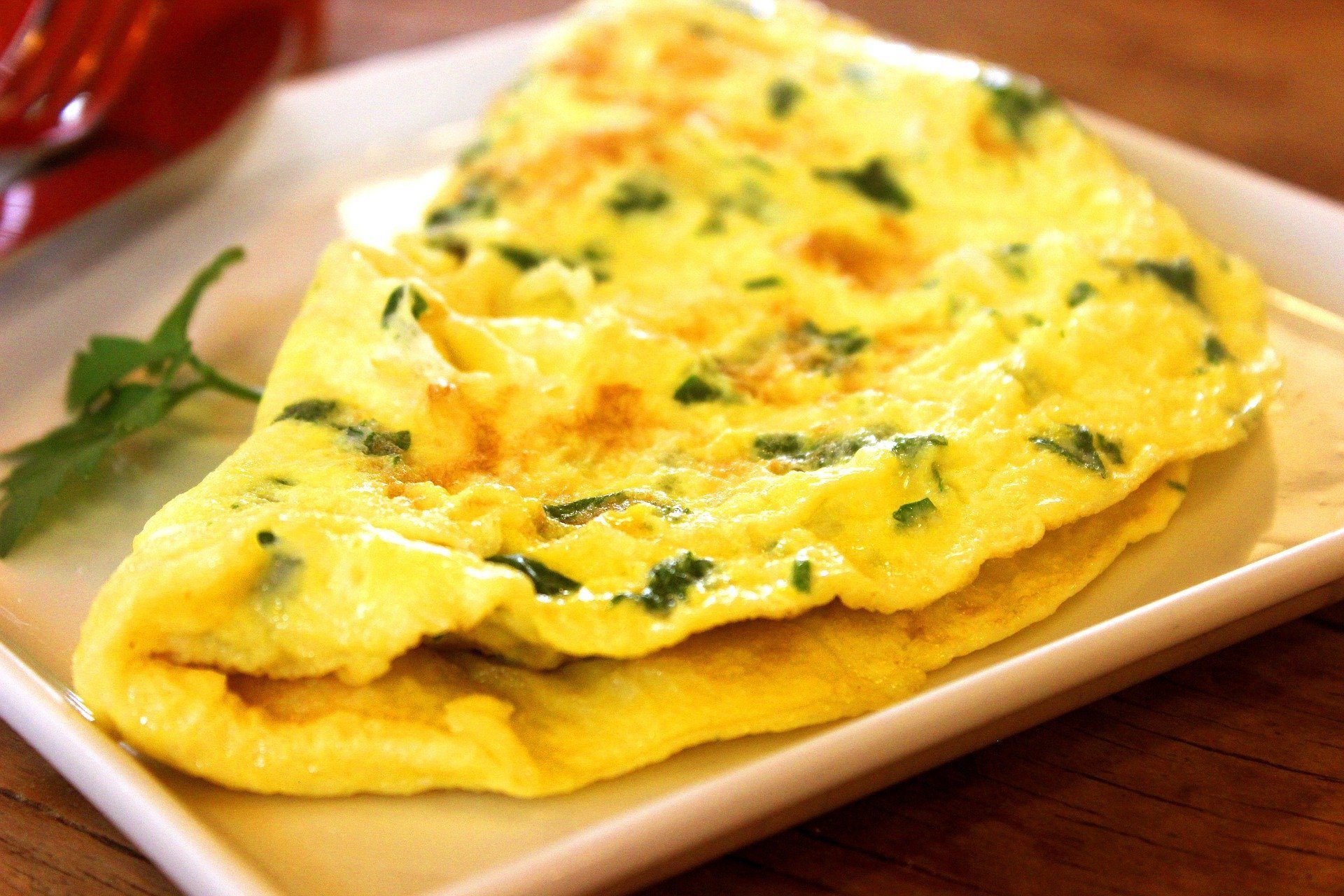
    No store-bought bagels or boxed cereal products here. How about a delicious omelette with broccoli and bell peppers, covered with grated Parmesan cheese? That is an entirely acceptable whole foods breakfast. The fact that you are getting plenty of protein from your eggs also means you will feel full longer, and generally eat less throughout the day.

    Lunch

    Some whole food aficionados will fix a huge salad at the beginning of the week. They then package lunchtime portions so their midday meals are quick and easy. Your lunch and dinner on a whole foods plan should include protein, some type of healthy fat and some vegetables. Salmon with grilled squash and cucumbers drizzled with a little coconut oil or cold pressed extra virgin olive oil makes a nutritious lunch that won’t lead to a traditional sugar crash later on.

    Dinner

    How does grilled pork chops with potatoes and asparagus sound? Why not treat yourself to a steak with onions and mushrooms sautéed in coconut oil, accompanied by Brussels sprouts and a salad with your favourite fruits and vegetables?

    The number of dinners you can learn to make which stick to a whole food diet are close to limitless. Mixing and matching meat, seafood, vegetables and fruits delivers plenty of versatile and great tasting possibilities.

    Snacks and Desserts

    A handful of nuts or dried fruits makes for a healthy snack that fills you up quickly. Hard-boiled eggs or vegetables with guacamole are some other healthy snacks that a whole foods dietary approach recommends. Fresh coconut or a fruit salad makes a healthy dessert. Adding honey to any whole foods can satisfy your sweet tooth without adding a ton of processed sugar.

    Whole Foods Shopping Tips

    You may not be familiar with shopping for whole foods on a regular basis. Just remember the following tips, and your whole foods shopping experience, as well as your health, will benefit.

    • Don’t go shopping on an empty stomach.

    • Stick to the perimeter of your grocery store.

    • Find the store with the best prices on meats and seafood. These are usually your most expensive whole foods. Then purchase whatever fruits and vegetables are on sale at that store.

    • Buy in bulk at a discount store like CostCo.

    • Shop at farmers’ markets. The fruits and vegetables offered here are as close to the ground as possible, and you can usually find better prices than at your big box grocery store.

    • Go grass fed for beef, and wild caught for fish. You might spend more money this way, but the food is much healthier.

    Whether you call it whole foods, clean eating or simply cutting out most of the crap, it’s important to remember not to be too obsessive.

    Clean eating gets a bad rap these days because too many people get tied up in the dogma. Eating better is not an all or nothing proposition.

    Trying to shift your eating habits away from most of the addictive, sugar laden, processed stuff to a more whole food diet as nature intended you to eat, does not make you obsessive and neither does it have to be unsustainable or bland.

    Follow these tips to improve your overall eating habits but allow yourself sweets and treats occasionally without guilt or worry. Your body will cope with them just fine if the majority of your diet is natural, whole and healthy.

    CINDERELLA SOLUTION REVIEW

    Disclaimer: I may be compensated as an affiliate for any products bought through links on this page. This will not cost you any more but it will help me offset my website costs. Thank you.
  • 3 Ways To Avoid Overeating At Meals

    3 Ways To Avoid Overeating At Meals

    I’ve never considered myself a big eater. But sometimes I do find myself needing to avoid overeating at meals.

    On special occasions, particularly around the holidays, I simply love to feast.

    And it’s not just the abundance of delicious food but also the people, the decorations and the ambience, all combining to make it a real event, and a pleasure to dig in.

    It is way too easy (and common) to indulge on those days.

    But it doesn’t always stop there.

    Sometimes we overeat on the weekend just because it’s Saturday night. Then it can happen on regular days. Or at regular meals. Or All. The. Time.

    Here are three tips to avoid overeating at meals

    Tip #1: Start with some water 

    When your stomach is growling and you smell amazingly delicious food it’s all too easy to grab a few samples or fill a plate and dive into the food.

    But did you know that it’s possible to sometimes confuse the feeling of thirst with that of hunger? Your stomach may actually be craving a big glass of water rather than a feast.

    Some studies have shown that drinking a glass or two of water before a meal can help reduce the amount of food eaten. And this super-simple tip may even help with weight loss (…just sayin’).

    Not only will the water start to fill up your stomach before you get to the buffet, leaving less room for the feast but drinking enough water has been shown to slightly increase your metabolism.

    Win-win!

    Tip #2: Try eating “mindfully”

    You’ve heard of mindfulness but have you applied that to your eating habits?

    This can totally help you avoid overeating as well as having the added bonus of helping your digestion.

    Just as being mindful when you meditate helps to focus your attention on your breathing and the present moment, being mindful when you eat helps to focus your attention on your meal.

    Do this by taking smaller bites, eating more slowly, chewing more thoroughly and savouring every mouthful. Notice and appreciate the smell, taste and texture. Pause between forkfuls. And breathe.

    This can help prevent overeating because eating slower often means eating less. 

    When you eat quickly you can easily overeat because it takes about 20 minutes for your brain to recognise that your stomach is full.

    So take your time, pay attention to your food and enjoy every bite.

    Bonus points: Eat at a table (not in front of the screen), eat off a small plate and put your fork down between bites.

    Tip #3: Start with the salad

    You may be yearning for that rich, creamy main dish.

    But don’t start there.

    (Don’t worry, you can have some…just after you’ve eaten your salad).

    Veggies are a great way to start any meal because they’re full of not only vitamins, minerals, antioxidants and health-promoting phytochemicals, but they also have some secret satiety weapons: fibre and water.

    Fibre and water are known to help fill you up and make you feel fuller. They’re “satiating”.

    And these secret weapons are great to have on your side when you’re about to indulge in a large meal.

    Summary:

    Have your glass of water, eat mindfully and start with your salad to help avoid overeating at meals.

    Turn these into habits and do away with the need for willpower!

    Recipe (Water): Tasty (and beautiful) Pre-Meal Water Ideas

    If you’re not much of a plain water drinker or need your water to be more appealing to your senses here are five delicious (and beautiful looking) fruit combos to add to your large glass of water:

    • Slices of lemon & ginger
    • Slices of strawberries & orange
    • Slices of apple & a cinnamon stick
    • Chopped pineapple & mango
    • Blueberries & raspberries

    Tip: You can buy a bag (or several bags) of frozen chopped fruit and throw those into your cup, thermos, or uber-cool mason jar in the morning.  They’re already washed and cut and will help keep your water colder longer.

    CINDERELLA SOLUTION REVIEW

    Disclaimer: I may be compensated as an affiliate for any products bought through links on this page. This will not cost you any more but it will help me offset my website costs. Thank you.
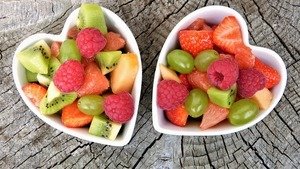
  • The Truth About Eating A Diverse Diet

    The Truth About Eating A Diverse Diet

    We all know we should be eating a diverse diet, right? The more access we have to different foods the more variety of nutrients we feed our bodies. And better-fed bodies are healthier. Nutritionists have been telling us this for years.

    More diversity=>More food=>More Nutrients=>More healthy

    Throughout history, it made sense to try to eat a lot of different foods because malnutrition was widespread. During scarce times we would have been grateful for anything we could eat. And for many, a diverse and varied diet would likely have been unheard of.

    Today, we have unlimited access to unlimited quantities of food. And while we should be thankful for the times we live in many of us are now suffering the opposite problem. Most adults are consuming too much food, including both healthy and unhealthy choices.

    And the more variety we have the more we risk being unaware of the calorie and nutrient content of the choices we make.

    More diversity==>More food==>More calories==>More weight

    What’s the truth about eating a diverse diet?

    We need to become a lot more aware of the nutritional value of our food, and of what our bodies need. A diverse diet is recommended to ensure we get a good balance of all the nutrients we need. Not just the macronutrients (protein, fat and carbohydrate), but the micronutrients, vitamins, minerals, fibre and pure water we need.

    Think about what you’re putting in your mouth. I honestly don’t believe most people ever consider the value of the food they consume.

    Feel hungry? Eat!

    But we’ve all been truly shafted by the system. While the food industry has brought us more and more hyper palatable, high calorie, low nutrient foods, none of us have been told how to deal with this. How to balance these less healthy “sometimes” foods with the better “most times” foods.

    “Eat food, exercise a bit, watch your calories and you’ll be fine.”

    It’s not working. We need to step back and think again. Are we eating enough fresh fruit and vegetables? Lean meats, fish, eggs, nuts, beans and healthy fats? The things our body actually needs.

    If we’re looking for simple strategies for healthier eating, we might need to consider switching to a less diverse diet. But including just enough of the whole, natural foods we need to keep us nourished.

    Some of the benefits of eating fewer foods include:

    • Save time. In addition to the health benefits, think about the time you’ll save. Grocery shopping and cooking will be quicker when you’re following a familiar routine.
    • Save money. Shopping for fewer foods means you can purchase in bulk to get the best deals without blowing your budget.
    • Maintain weight loss. Many adults gain back all the weight they lose and more. Eating fewer foods is a long-term strategy that can help you stay slim, though portion control is, of course, still important.

    Try these ideas to eat fewer foods:

    • Find recipes you love. Having a few great recipes in your arsenal means you can always eat food you enjoy whilst sticking to a few healthy, nutritious ingredients.
    • Find other outlets. Free yourself from emotional eating by finding more constructive ways to manage stress, socialise and entertain yourself. Call a friend or take a walk instead of using sweets or crisps to deal with your feelings.
    • Avoid buffets. You’ve probably noticed that having plenty of options can tempt you into eating more. Be especially vigilant with holiday dinners and all-you-can-eat parties and barbecues.
    • Sleep well. Being sleepy also contributes to overeating. Getting eight hours of sleep each night will help you stay on track with your new habits.
    • Drink water. Our bodies sometimes confuse thirst with hunger, so remaining hydrated will boost your willpower too. Drink water or green tea before, during and after meals.
    • Be flexible. At the same time, a diet that is too restrictive can backfire. Leave room for an occasional treat

    Eating Higher Quality Food

    When nutritionists talk about diversity, they usually mean eating red vegetables as well as green ones. Oily fish as well as white fish. And a range of seasonal fruit. And certainly we need good variety in our food to ensure we get all the nutrients we need.

    Unfortunately, the public is more likely to be thinking about adding junk food and desserts on top of their sensible meals and snacks. Adding more unhealthy, processed food because we’re bored of our meal plan is not the kind of variety we need!

    Remember that the quality of your diet is just as important as the number of calories.

    Try these tips for eating a diverse diet the healthy way:

    • Eat more produce. Aim for at least 6 servings of fruits and vegetables each day. Most are lower in calories and high in vitamins and fiber.
    • Choose whole grains. Get most of your starchy carbohydrate calories from whole grains and tubers. Good choices include sweet potato, brown rice, rolled oats and sprouted or whole grain bread.
    • Evaluate proteins and fats. Some proteins and fats are superior to others. Replace hamburgers and fried chicken with leaner sources like beans and fish. Cut back on saturated fat with leaner animal proteins and use olive oil and nuts for flavour.
    • Limit empty calories. Keep processed food and refined carbohydrates to a minimum. That includes beverages, too, like soft drinks and any kind of alcohol. As a bonus, you’ll also be eliminating the main sources of excess sugar and salt.
    • Balance your nutrients. Design each meal and snack to include a mix of proteins, fats and carbohydrates. Energise in the mid afternoon with a handful of almonds and baby carrots. Enjoy a green salad tossed with salmon and yogurt dressing for dinner.

    Eating a more uniform diet can help you to manage your weight and reduce your risk for many chronic conditions. Find some healthy foods you love and plan your meals and snacks around them.

    And remember, eating more crap is not adding diversity to your diet. It’s eating more crap!

    CINDERELLA SOLUTION REVIEW

    Disclaimer: I may be compensated as an affiliate for any products bought through links on this page. This will not cost you any more but it will help me offset my website costs. Thank you.

  • 20 Easy Ways to Lose a Pound a Week

    20 Easy Ways to Lose a Pound a Week

    With all the diets floating around that claim to result in losing 20+ pounds in a month, to lose a pound a week might not sound worthwhile. But consider that 1 pound per week is over 50 pounds per year. How would you look and feel if you had started a year ago?

    How To Lose A Pound A Week

    Try to perform just a few of these ideas each day:

    1. 1
      Skip lunch and go for a walk. There’s a common misconception that eating 5 or more meals per day speeds up your metabolism and improves weight loss. But research has shown that increased feeding frequency has very little effect on body composition. But taking a 20-30 minute daily walk has numerous health benefits including, of course, burning more calories.
    2. 2
      Perform 1 hour of housework. Not only will you lose weight, but the house will be cleaner too.
    3. 3
      Reduce each meal by 25%. If you’re eating out, get a doggie bag. The best exercise for losing weight is pushing yourself away from the table. Avoid being wasteful. Take smaller portions, eat slowly and avoid going back for seconds.
    4. 4
      Drink regular coffee instead of a latte. If you can’t give up your morning latte, go with skimmed milk and a non-caloric sweetener.
    5. 5
      Avoid drinking any calories. It’s much easier to drink calories than it is to eat them. Drinking a bottle of Coke or a glass of fruit juice can easily add 150-200 calories to your meal.
    6. 6
      Replace red meat with fish or chicken. This assumes you’re not adding a high-calorie sauce.
    7. 7
      Replace rice and potatoes with vegetables. Rice and potatoes aren’t unhealthy. We don’t believe in demonising any whole, natural foods, but most vegetables have a lower caloric density, so to lose a pound a week fill up on veggies!
    8. 8
      Work in the garden for an hour. You’ll have the best looking garden in the neighbourhood, and your pants will fit better.
    9. 9
      Skip the elevator and use the stairs. If you work on the 47th floor, you might climb the stairs to the 5th floor and take the lift the rest of the way.
    10. 10
      Drop all processed foods. If you limit yourself to foods that at one time flew, swam, ran, grew in the ground, or on a tree or plant, it’s hard to be overweight. Man made carbohydrates like bread, pasta, crackers and sweets can really add a lot of calories.
    11. 11
      Eat a salad before eating your meal. Eating a large salad with low-calorie dressing can fill you up before you get carried away with the rest of your meal.
    12. 12
      Drink more water. Drinking a glass of water before a meal has been shown to reduce the total amount of food eaten during the meal.
    13. 13
      Get up and move around for 5 minutes each hour. Studies have shown that you’ll actually get more work done if you take a short break each hour. Take a short walk or pick up a dumbbell.
    14. 14
      Do something else for 15 minutes. When you first get the urge to eat, find something else to do for 15 minutes. You might be surprised how much time goes by before you remember you were hungry.
    15. 15
      Take a picture of yourself. For some reason that violates the laws of the universe, we all look better in the mirror than we do in a photograph. Take a full-body picture and take a look.
    16. 16
      Stand up. More offices are moving to standing desks. It’s much healthier, better for your posture and burns more calories. You could even try standing at home while watching television.
    17. 17
      Replace a bad food with a good food. Once each day, replace one food you’re about to eat with a healthier option.
    18. 18
      Avoid eating while watching TV. According to scientists, people eat significantly more when watching TV then when sitting at the dinner table without distraction.
    19. 19
      Sleep for a full 7-8 hours. Those that sleep less tend to eat more.
    20. 20
      Check the serving size. You might be surprised how small a serving is for certain foods. Limit yourself to a single serving.

    So there you have it. Twenty easy ways to lose a pound a week. Simple lifestyle tips to help reduce portion sizes, improve your eating and move a bit more.

    Losing a pound per week can be easy and painless. By utilising a few of these tips each day, you could find yourself 50 pounds lighter by this time next year. Summer is coming!

    CINDERELLA SOLUTION REVIEW

    Disclaimer: I may be compensated as an affiliate for any products bought through links on this page. This will not cost you any more but it will help me offset my website costs. Thank you.

>