Category: Health

  • Is Muscle Heavier than Fat?

    Is Muscle Heavier than Fat?

    Probably the single most frustrating and unnecessary debate that crops up again and again in fitness communities is the one about muscle vs fat.

    Is muscle heavier than fat?

    It usually begins with the pictures. A lady in a bikini shares her before and after pictures.

    She looks great in both. But in the first, she has a softer, curvy figure. And in the second she’s standing on stage ripped to shreds with well-defined muscles and barely an ounce of fat on her.

    Because she’s lost the fat she looks lighter in the second picture, but she comments that actually, she’s exactly the same weight. Whaaaat?

    “Yes”, she says, “because muscle is heavier than fat I look leaner but my weight hasn’t changed.”

    Then all hell breaks loose!

    “Muscle weighs the same as fat but it’s denser!”

    “Muscle and fat are the same weight but one takes up less space than the other!”

    And my favourite “A pound of muscle weighs the same as a pound of fat!”

    And the poor lady is left feeling confused and awkward.

    So let’s help her out and have a look at these “arguments”.

    “A pound of muscle weighs the same as a pound of fat.”

    No shit, Sherlock! And in that genius statement, we’ve established that every substance on the planet weighs exactly the same. That’s very helpful!

    A pound of muscle weighs the same as a pound of fat, just like a pound of feathers weighs the same as a pound of lead.

    Is Lead Heavier than Feathers?

    True as it is it’s totally irrelevant.

    In fact, that statement is totally misinterpreting the original comment, and shows a complete misunderstanding of basic equations. If you choose to make 1 pound the common denominator then her answer would not be muscle is heavier than fat but “fat is bigger than muscle”.

    “They weigh the same but muscle is denser.”

    Yes, muscle is denser. Good call.

    But what’s the definition of denser? The particles that make up the substance are more tightly packed.

    Density = mass per unit of volume

    When we compare the density of two substances we’re comparing the mass in a given volume of each. We’re not comparing the mass in a random volume of one versus a random volume of the other.

    To compare variables we need to take at least one common denominator then we can make a meaningful comparison between two substances.

    Not making sense?

    Ok, let’s take density as an example.

    Density = mass per unit of volume and the standard measure used is…

    density = kg/(cubic metre)

    To compare the density of two substances we’ve taken a common denominator (a volume of 1 cubic metre) and compared the mass of each to define a figure for density.

    Similarly for fat and muscle. Take one cubic meter of each and the one with the higher density (muscle) has the higher mass.

    “Muscle and fat weigh the same but the muscle takes up less space.”

    Another true observation, but simply another way of stating the same thing.

    If you take a piece of muscle and a piece of fat the same weight (1 pound now being the common denominator) because muscle is denser it takes up less space.

    So we can agree that muscle is denser and that a given mass will occupy less space than the less dense fat, so the problem must be the word “heavier”.

    (We should clarify that “mass” and “weight” are interchangeable because weight is simply a measure of the force of gravity on a mass as measured by the scales. If we’re both standing on the same planet then gravity is constant so weight can be assumed to mean mass.)

    “Heavy” as a word is subjective (although taking a small amount of mercury doesn’t seem to stop it being called a “heavy metal”). If I find a dumbbell heavy and you say it’s light then that just shows you’re stronger than me.

    But assuming we’re talking about the weight of a substance and not the seriousness of this conversation, the word “heavier” applied between two substances has a pretty definitive meaning. One has more weight than the other.

    So does muscle have more weight than fat?

    I think we’ve decided that due to it’s greater density a cubic metre of muscle does indeed have more weight than a cubic metre of fat.

    Does that mean muscle is heavier than fat? Only if we know how much of each we’re weighing (in this case one cubic metre).

    Right, so now it comes down to the volume. What size muscle are we weighing against what size of fat? We can’t say “a muscle” is heavier than “a lump of fat” because the size is ambiguous. But what about “muscle tissue” versus “fat tissue”.

    Now we’ve taken away the ambiguity of size but we still need two substances to measure, so the sensible option would be to take an equal amount (volume) of each and weigh them against each other. We’ve got our common denominator (volume) and we can now compare our variable (weight).

    Is it unfair to make that assumption? Well if we go back to our scientific definition of density there is an explicit assumption that there is a common denominator (cubic metre). The “concept” of density remains, the particles are always more tightly packed in the denser substance, but we can’t put a number on that until we give it volume.

    If it’s good enough for science, and it’s good enough for common sense, then in the absence of any amounts (specified or not) it should be totally reasonable to assume we’re comparing like for like.

    Still not convinced? Let me ask you another question.

    What’s the fastest animal in the world?

    Did you say cheetah?

    So is a cheetah faster than a warthog? NOT IF THEY’RE BOTH RUNNING AT 20MPH!

    The unspoken assumption is that we are applying a common denominator (a fixed attribute) which in this case is top speed.

    We can say a cheetah has a higher top speed than a warthog but we can’t say it’s faster… unless you assume a common factor—and we always do!

    From Wikipedia – “The fastest land animal is the cheetah…”

    If a cheetah is faster than a warthog then muscle is heavier than fat.

    This is not saying any amount of muscle is heavier than any amount of fat. And it certainly isn’t saying one pound of muscle is heavier than one pound of fat.

    What it’s saying is “all other things being equal, muscle tissue is heavier than fat tissue”.

    Getting back to our lady on the stage we can now see that she’s lost 5 pounds of fat and, by luck or judgement, gained 5 pounds of muscle.

    She looks smaller and weighs the same because, as she says, “muscle is heavier than fat”.

    What’s most frustrating about the whole conversation is that everyone is correct, including the woman who says muscle is heavier than fat!

    It is possible to lose fat, gain muscle, look leaner and still weigh the same. When it comes down to it, what matters for weight/fat loss is that people understand the principle of the argument. How you view that is just a matter of which side of the equation you approach it from.

    More importantly, if you’ve been mocking people for saying muscle is heavier than fat, you should stop being a dick about it!

    YOGA BURN REVIEW

    Disclaimer: I may be compensated as an affiliate for any products bought through links on this page. This will not cost you any more but it will help me offset my website costs and maybe the odd hair cut. Thank you!
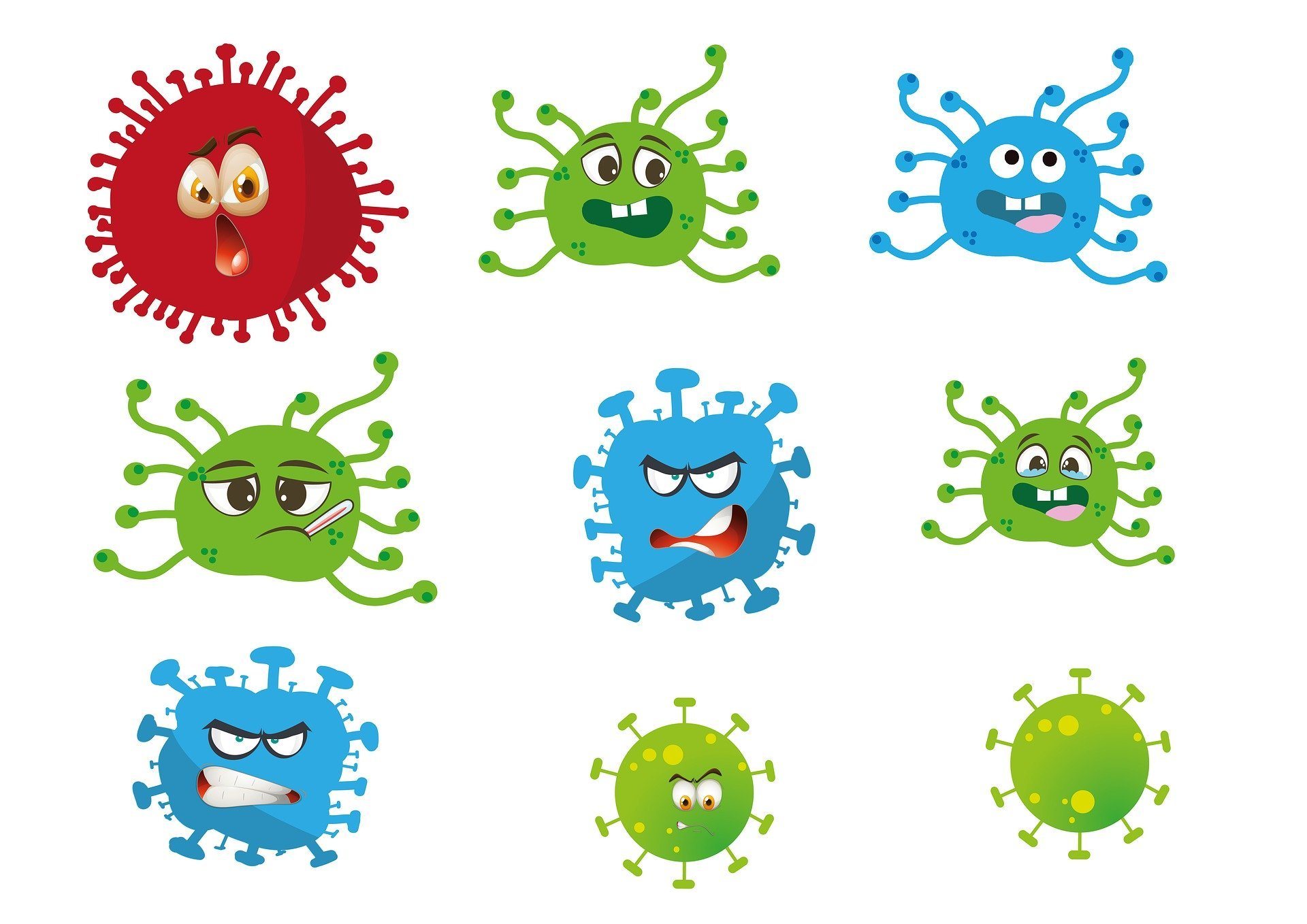
  • How Does Your Immune System Protect You?

    How Does Your Immune System Protect You?

    Many people are aware of what your immune system does because it’s essentially in the name. It provides the rest of your body with immunity to things like diseases and illnesses.

    However, a crucial part of understanding things is not just knowing what they do, but also how they do it. Many people don’t have a clear idea of how exactly their immune systems are helping you stave off viruses, but it’s an important part of understanding your own reactions to illness and what your body needs to keep protecting itself.

    One of the most common things that you’ll find your immune system doing to protect you is giving you a fever. While most people associate fevers with being a bad thing, minor fevers can actually help you.

    Your body will raise its temperature to kill off the virus in your body, which can’t survive well under higher temperatures. But higher, prolonged fevers can still be quite dangerous to us, so keep track of your temperature in case it gets too high.

    Another response your body has to foreign bodies is the use of white blood cells. White blood cells are like “Dirty Harry” Callahan, The Enforcers of your body, taking out any kinds of harmful microorganisms that it finds.

    When you get sick, some white blood cells will attach themselves to the organisms to weaken them, while others will attack them directly to try to kill them off. These cells then learn about the type of organisms they fought off, and that’s how you build up an immunity in the future.

    You might find that one uncomfortable symptom of getting sick is that certain parts of your body get inflamed. Inflammation is uncomfortable and annoying and might be a sign of an infection, but it’s also a part of your body’s immune system.

    When bacteria enters your body, it will travel through your blood vessels to spread and cause havoc. By inflaming portions of your body, you’re able to constrict the blood vessels in that area, making it more difficult for the infection to spread.

    Additionally, the inflammation alerts your white blood cells that there is an infection, making the response much quicker to try to get rid of it.

    While many of your body’s reactions to illnesses might be annoying, uncomfortable and gross, they can certainly benefit you in the long run. It’s important to keep your immune system well maintained so that it can continue to keep up these functions to prevent serious illness.

    Understanding the 5 Parts of Your Immune System

    While fully understanding the different systems of your body can be difficult, it’s a bit easier if you break them down into their individual components. When it comes to your immune system, there are five main parts of it that you need to know about.

    All of these parts work together to help your immune system keep you healthy and free of any serious illnesses. The first part of your immune system to understand, and arguably one of the most important is your white blood cells, as we have already talked about.

    The part of your immune system that helps the white blood cells is the complement system. This system basically boosts the effectiveness of the white blood cells in a few different ways.

    One thing it does is send out signals for the white blood cells to eat the microorganisms that they take out, allowing them to clear them out of the system. Additionally, it’s the system that causes inflammation, which weakens disease cells.

    Finally, when it comes to bacterial threats, it can rupture the membrane protecting it, which allows the cells to easily attack them.

    Your lymphatic system is a crucial part of your immune system and is also a component of your circulatory system.

    Throughout various blood vessels, the lymphatic system helps to transport certain things through the bloodstream. Of course, this is important for a variety of reasons, but when it comes to your immune system, this is essentially the highway which transports and directs white blood cells through your bloodstream so that they can get to the infection site and do their job.

    Bone marrow is a very important component of your body because it’s where the white blood cells are produced. It additionally creates red blood cells and platelets, which harden and clot to help stop bleeding.

    Finally, there’s the spleen, which helps filter your blood. This removes any microorganisms found in your blood, and it also helps your immune system by creating antibodies, which help in the fight against disease.

    The human body is an amazing, complicated, fascinating creature with the ability to survive and thrive in the harshest of conditions. All we have to do is feed it well, keep it strong and stay out of harm’s way.

    Unfortunately, we’re not very good at doing those three simple things.

    Fortunately, thanks to our immune system, we still thrive despite ourselves.

    Disclaimer: I may be compensated as an affiliate for any products bought through links on this page. This will not cost you any more but it will help me offset my website costs. Thank you.

  • How To Protect Yourself From Coronavirus

    How To Protect Yourself From Coronavirus

    As of March 11th, 2020, the Corona Virus (COVID-19) has been recognised as a worldwide pandemic. We have known about it ever since it hit China last month, but now that it is at your door you need to know how to protect yourself from coronavirus. Identifying symptoms, too, is important so that you can get help and avoid infecting others.

    Don’t Panic

    It is important to stay calm and focused on reality. While this situation and the word pandemic are very scary, panic only minimises our ability to think rationally. One of the greatest ways to curtail panic is with knowledge and awareness.

    Prepare

    First, let’s talk about what you need in order to prepare.

    •The main thing you might face is prolonged periods of quarantine. This has happened in China and Italy both, so it may happen to you. In the case of quarantine, you will have to stay inside your home.

    •According to the Center for Disease Control (CDC) there are some key things you can do to prepare (just in case):

    — “Create an emergency contact list.” This should include emergency contacts for neighbours, friends, family, your health care team, employers, schools and your local health department.

    — “Learn about your employer’s emergency operations plan.” Find out exactly what your plan covers as to sick leave, work from home possibilities and how your employer plans to deal with this outbreak.

    — Most important, stay informed, look to credible sources for information about COVID-19 and reject gossip and hype, which only propagate panic and anxiety.

    Precautions

    Let’s talk about what you can do to prevent getting the virus in the first place.

    According to the Center for Disease Control (CDC), clean your hands often for at least 20 seconds each wash. Definitely wash your hands after blowing your nose, coughing, or sneezing, or having been in a public place.

    If soap and water are not available, use a hand sanitiser that contains at least 60% alcohol. Soap and water are better than hand sanitiser if they are available, so please don’t stock pile hand sanitiser.

    Clean your home well and regularly.

    The CDC precautions continue, saying whenever possible avoid touching surfaces in public areas that are touched by many, such as doorknobs, handrails, and elevator buttons. You can use your sleeve or a tissue when you touch these. Wash your hands right after contact.

    Handshakes need to be postponed for now.

    Stay away from anyone you know who has a cold or flu symptoms. The World Health Organization recommends at least a 3-foot distance away from someone who is coughing or sneezing.

    According to World Health Organization (WHO), you should follow safe respiratory hygiene. When sneezing or coughing, make sure to cover nose and mouth with either a bent elbow or tissue. Throw away all tissues right after use. This is because droplets spread virus by way of spores.

    Both the WHO and the CDC advise that if you are sick, stay home. Even when you don’t know if it is Coronavirus or just a cold, it is better to stay home until you feel well again.

    According to a medical professional who spoke with CNN on March 10, 2020, a 6-foot distance between people is a safe bet.

    Dr. William Schaffner, an internist and infectious disease specialist from Vanderbilt University told CNN on March 9, that the elderly and those with existing compromised health are best served by staying away from crowds, so for now postpone going to concerts, events and other places where large crowds gather in small spaces.

    As of March 11, 2020, the authorities recommend not gathering in large crowds of 500 or more for everyone, hence the cancellation of sporting events around the US, including March Madness, the closing of Disneyland and the cancellation of various conventions. Respiratory infection spreads faster in poor ventilated areas and closed in settings.

    The Scottish Government has also banned events larger than 500 people.

    Who Is At Highest Risk?

    Older adults (Over 60) and those who have existing medical conditions including lung disease, heart disease and diabetes will suffer the most and have the highest mortality rate if infected, according to the CDC.

    The director of the CDC’s National Center for Immunization and Respiratory Diseases, Dr. Nancy Messonnier says, the highest risk of COVID-19 is for those over age 80 who have other medical conditions.

    If you or someone you know fits into a high risk category, stock up on groceries and any required medications, leave space between you and others, avoid crowds and travel, clean your hands and your house often, and stay home as much as possible.

    Symptoms

    Normal Symptoms:

    The CDC lists the following symptoms to look for, which are much like a cold:

    •Fever
    •Cough
    •Shortness of breath

    If you have the normal symptoms, call your health care provider for an evaluation.

    Emergency warning signs:

    •Difficulty breathing or shortness of breath
    •Persistent pain or pressure in the chest
    •New confusion or inability to arouse
    •Bluish face or lips

    If you experience the emergency warning signs, seek medical assistance immediately.

    (Source: https://www.cdc.gov/coronavirus/2019-ncov/about/symptoms.html)

    Obviously, if you have been in contact with someone who has been diagnosed with COVID-19 you should see your doctor or seek emergency services immediately to get tested and do not come into contact with others to prevent spread.

    More Information and Resources

    •General hygiene and cleanliness along with correspondence with your health care provider will go a long way.
    •Wash your hands for twenty seconds often, especially after touching things many others have touched.
    •Clean your house regularly, especially high use surfaces.

    For more information on COVID-19, consult the CDC at https://www.cdc.gov/coronavirus/2019-ncov/index.html.

    In the UK https://www.nhs.uk/conditions/coronaviruscovid19/ 

    and for the official Government advice

    https://www.gov.uk/government/topical-events/coronavirus-covid-19-uk-government-response

    World Health Organization – https://www.who.int/emergencies/diseases/novel-coronavirus-2019

    Disclaimer: I may be compensated as an affiliate for any products bought through links on this page. This will not cost you any more but it will help me offset my website costs. Thank you.

  • Does An Apple A Day Keep the Doctor Away?

    Does An Apple A Day Keep the Doctor Away?

    Does an apple a day really keep the doctor away?

    Some believe that apples are the king of all fruits. It dates back to the dawn of time, when it featured prominently in the story of the Garden of Eden. Apples are believed to date back as far as 8000 years ago and are believed to originally come from the Middle East. 

    You can find apples in the supermarket all year round and they are known to be extremely healthy for you. Not only is it a good food to eat, in some populations it has been used for healing. No longer a folk remedy, the apple has been found in modern times to promote health in many ways.

    History of Apples

    This is one of the oldest fruits known to man. Research has found evidence that apples have been in existence from earlier than 6500 BC. The apple was on the list of favorite foods to eat by the Ancient Romans and the Ancient Greeks.

    Back in Nordic traditions, the apple was believed to be magical, allowing for people to live eternally. Apples have come far from being “magical” but they still have health benefits we can enjoy today.

    Nutrition Facts for Apples

    • Apples are an excellent source of fiber—both insoluble fiber and soluble fiber 
    • They are rich in vitamin C (as is true of almost all fruits)
    • They contain potassium, which is well known for its health benefits to the heart. 
    • You can find a wide variety of B complex vitamins in apples, including vitamin B6, thiamin, and riboflavin
    • Apples contain phytochemicals, specifically polyphenols. Polyphenols include plordizin, anthocyanins, catechins, chlorogenic acid, and flavonols, particularly quercetin (a flavonols), myricetin, and kaempferol (also flavonols)
    • Apples are also high in niacin, folates, vitamin C, Vitamin K, Vitamin E, Vitamin A, thiamin, riboflavin, pyridoxine, pantothenic acid, niacin, and folates, containing between 1 and 8 percent of the recommended daily value for these healthful vitamins.
    • Other nutrients found in apples include Magnesium, iron, calcium, zinc, and phosphorus
    • The phytonutrients in apples include lutein-zeaxanthin, crypto-xanthin-beta, and carotene-beta. These phytonutrients have been researched as nutrients your body needs for heart health and for use as anti-oxidants
    • They contain no cholesterol
    • They are  excellent sources of fiber at 11 percent of the recommended daily value
    • The catechins in apples include epicatechin, which is especially good for heart health
    • Apples are also high in anti-oxidants, which scavenge for oxygen free radicals that damage DNA and can ultimately cause cancer 
    • Apples are also known to optimize growth, provide healthy wellbeing, and improve developmental processes in children

    The Skin

    While the whole apple is considered good for you, most of the nutrients you’ll find in apples are found in the green, yellow, or red skins of apples. This means that, if you want to make apples as healthy as possible for you, you need to keep the skins on and eat them whole.

    Low Calorie And No Fat 

    Apples have less sugar than other fruit and only around 50 calories per fruit. There is virtually no fat in apples.

    Health Benefits of An Apple a Day

    • Apples are often referred to as “nutritional powerhouses” because of the wide variety of nutrients contained in just one apple.
    • Apples are high in antioxidants that lessen the risk of several types of cancer and contain insoluble fiber, which bulk up the stools, preventing colon cancer. 
    • The vitamins you’ll find in apples help maintain the health of both the nervous system and your red blood cells.
    • Apples are good for weight control, whitening your teeth, lowering cholesterol, heart health, and protection against cancer. 
    • The soluble fiber found in apples help to reduce the body’s cholesterol levels.
    • They also lessen the risk of Alzheimer’s disease and Parkinson’s disease—both neurodegenerative diseases. 
    • The anti-oxidants in apples help to protect nerve cells by reducing the amount of oxygen free radicals found in these important cells. 
    • Just one apple a day lessens the chance of developing skin diseases, liver problems, and digestive illnesses. 
    • Apple cider vinegar reduces the risk of kidney stones. 

    Other healthy benefits for apples include the treatment of halitosis, neuritis, insomnia, anemia, tuberculosis, gonorrhea, asthma, gallstones, obesity, and arthritis.

    They boost the immune system, which is the whole basis of the saying “an apple a day keeps the doctor away.”

    Will it work for you? There’s no guarantee that an apple a day will ensure you never see the doctor again, but with a ridiculous list of health benefits like this it’s worth a try!

    Disclaimer: I may be compensated as an affiliate for any products bought through links on this page. This will not cost you any more but it will help me offset my website costs. Thank you.

  • Health Benefits of Having a Dog

    Health Benefits of Having a Dog

    Did you know that owning and caring for your dog is also beneficial to your own physical and mental health?

    There really is nothing that can compare with the love and devotion a dog can have for its owner.  In the same manner, responsible dog owners have the same love and care for their fur-baby as if it were their own child.

    The joy of owning a dog is something unique and special and the unconditional love and the companionship that you get is beyond compare.

    If you are already have a dog or two, I’m sure you would definitely agree with this! For those who have yet to make a decision about getting a dog, read on to know just how having a dog is great for your health and wellbeing.

    Routine and Care

    Being a responsible pet owner, you are keenly aware of the needs of your dog. The need for food and nourishment, the need for a comfortable home and the need for daily exercise and play are things that you have to provide daily. 

    This routine of having to meet these needs of your dog can also serve as a reminder to yourself of your own needs, as well.

    Studies show that because of the necessary routine that is demanded of you as a pet owner, you become more aware too of your own needs and can respond to both better and live a healthier and better life.

    Aside from the physical aspect, the feeling of being needed and depended upon by your dog is also beneficial to your well-being and mental health.

    Unconditional Love and Companionship

    Having a dog can help alleviate loneliness and help you with your mental health and wellbeing.

    As social beings, there is that need to connect and have relationships. The need for touch the need for interaction—these are important needs that having to care for a dog address.

    One very big factor is the unconditional love a dog has for you, its owner. This, in itself, has a very positive effect on your emotional and mental well-being, especially for those dealing with feelings of loneliness and isolation.

    Having a dog provides companionship, acceptance and unconditional love. There is also a sense of calm and security that comes with having a dog.

    It has been noted, too, that having a dog as a pet releases oxytocin in the body—the hormone responsible for good feelings and positive emotions. There is also a decrease in the stress hormones found in the body which also supports emotional and mental well-being.

    Socialisation

    The needs of your dog also encourage socialisation. Having to go out to bring your dog for daily walks or routine visits to the vet allows for you to interact with people around you and your community which is always good.

    It fosters and supports the creation of new relationships and interactions with pet owners, vets and your community in general. Feelings of isolation can be a very big problem and having a dog can address that.

    Studies have also shown that these interactions and the companionship also lead to lesser stress hormones and is beneficial to health.

    More Activity

    Having to care for your dog is not only great for mental wellbeing but also your physical health. The needs of your dog provide more opportunities to get up and be more active.

    Having to walk your dog, or get up to feed, bathe and play means you have to really get up and move yourself.

    For some that are suffering from mental health issues or depression, these moments are important and truly beneficial as they help get in some physical activity throughout the day.

    The need to go out and do activities with your dog can also encourage community activities. Doggy play dates are a great way to not only get movement and activity for you and your dog but also they are opportunities to meet other people, interact and be a part of a social group or community. 

    Having a dog may be a big responsibility to commit to, this is true, and it takes a lot of time, effort and resources to be able to be a parent to your fur-baby. The rewards and benefits to your physical, mental and emotional well-being are beyond compare.

    As we celebrate National Dog Day this week, it is great to know and celebrate this wonderful and unique relationship.

    CINDERELLA SOLUTION REVIEW

    Disclaimer: I may be compensated as an affiliate for any products bought through links on this page. This will not cost you any more but it will help me offset my website costs. Thank you.

  • What Is Your Metabolism?

    What Is Your Metabolism?

    It’s a word we hear a lot these days, especially when we talk about weight loss, but what is your metabolism?

    Well technically “metabolism” is the word to describe all of the biochemical reactions in your body. It’s how you take in nutrients and oxygen and use them to fuel everything you do.

    Your body has an incredible ability to grow, heal and generally stay alive.  And without this amazing biochemistry you would not be possible.

    You know that if yours is too slow you might gain weight.  But what exactly does this all mean?

    Metabolism includes how the cells in your body:

    • Produce energy for activities you can control (e.g. physical activity etc.)
    • Allow activities you can’t control (e.g. heart beat, wound healing, processing of nutrients & toxins etc.)
    • Allow storage of excess energy for later.

    So when you put all of this together into your metabolism you can imagine that some or all of these many processes may or may not work too quickly, too slowly or just right.

    Which brings us to the “metabolic rate”. 

    Metabolic rate

    This is how fast your metabolism works and is measured in calories (yup, those calories!).

    The calories you eat can go to one of three places:

    • Work (i.e. exercise and other activity).
    • Heat (i.e. from all those biochemical reactions).
    • Storage (i.e. extra leftover “unburned” calories stored as fat).

    Therefore the more calories you burn as work or creating heat the easier it is to lose weight and keep it off because there will be fewer “leftover” calories to store for later.

    There are a couple of different ways to measure metabolic rate.  One is the “resting metabolic rate” (RMR) which is how much energy your body uses when you’re not being physically active.

    The other is the “total daily energy expenditure” (TDEE) which measures both the resting metabolic rate as well as the energy used for “work” (e.g. exercise) throughout a 24-hour period.

    What affects your metabolism?

    In a nutshell: a lot!

    The first thing we often hear about is your thyroid.  This gland at the front of your throat releases hormones to tell your body to “speed up” your metabolism.  Of course, the more thyroid hormone there is the faster things will work and the more calories you’ll burn.

    But that’s not the only thing that affects your metabolic rate.

    How big you are counts too! 

    Larger people often say they have a slow metabolism, but in fact they usually have higher metabolic rates as there is more work for the body to do to keep it functioning.

    And your body composition is crucial! 

    As you would expect, muscles that actively move and do work need more energy than fat does. So the more lean muscle mass you have the more energy your body will burn and the higher your metabolic rate will be.  Even when you’re not working out.

    This is exactly why weight training is often recommended as a part of a weight loss program.  Because you want muscles to be burning those calories for you. 

    The thing is, when people lose weight their metabolic rate often slows down which you don’t want to happen.  So you definitely want to offset that with more muscle mass.

    Aerobic exercise temporarily increases your metabolic rate.  Your muscles are burning fuel to move so they’re doing “work”.

    The thermic effect of food

    Your body actually burns calories to absorb, digest and metabolise your food.  This is called the “thermic effect of food” (TEF).

    You can use it to your advantage when you understand how your body metabolises foods differently. 

    THERMIC EFFECT OF FOOD

    Macron​​​​u​​​​trient​

    % of Calorie​​​​s Used For Processing

    FATS

    0 – 3%

    CARBOHYDRATES

    5 – 10%

    PROTEIN

    15 – 30%

    Fats, for example increase your TEF by 0-3%; carbs increase it by 5-10%, and protein increases it by 15-30%.  By trading some of your fat or carbs for lean protein you can slightly increase your metabolic rate.

    Another bonus of protein is that your muscles need it to grow.  By working them out and feeding them what they need they will help you to lose weight and keep it off.

    And don’t forget the mind-body connection.  There is plenty of research that shows the influence that things like stress and sleep have on the metabolic rate.

    This is just the tip of the iceberg when it comes to metabolism and how so many different things can work to increase (or decrease) your metabolic rate.


    CINDERELLA SOLUTION REVIEW

    Disclaimer: I may be compensated as an affiliate for any products bought through links on this page. This will not cost you any more but it will help me offset my website costs. Thank you.

>